

Eastern Acupuncture and Wellness Blog

VoyageMIA Interview: Life, Values & Legacy: Our Chat with Dr. Jennifer Cruz of Plantation & Wilton Manors
At Eastern Acupuncture and Wellness, our mission is to redefine healthcare by integrating Eastern and Western modalities to provide comprehensive and holistic healing solutions. What sets us apart is our unwavering commitment to excellence and continuous education.
We recently had the chance to connect with Dr. Jennifer Cruz and have shared our conversation below.
Jennifer, we’re thrilled to have you with us today. Before we jump into your intro and the heart of the interview, let’s start with a bit of an ice breaker: What is something outside of work that is bringing you joy lately? One of the greatest sources of joy and renewal in my life is the simple yet profound ritual I’ve cultivated since July 20, 2024. Each morning, often before the world stirs, I light a single candle, crack open my daily affirmation journal, and begin to chant. Those few moments of focused breath and mantra set the tone for my day, reminding me of my intention to serve, heal, and remain centered no matter what challenges arise.
But the real magic happens in the evenings. After a twelve-hour marathon of patient care, meetings, and problem-solving, I race home, strip off my shoes, and step into a warm shower, shedding the physical and emotional debris of the day. Then, at exactly 8:15 PM, I roll out my yoga mat and enter my personal sanctuary. For the next 75 to 105 minutes, I flow through Raja Yoga, moving deliberately from one posture to the next, syncing breath with movement, and gradually peeling back layers of tension I didn’t even know I was holding.
By around 9:45 to 10:00 PM, I’m lying still in Savasana, body fully surrendered and mind quietly luminous. It’s in that space, between effort and ease, where I reconnect with my own energy, restore my spirit, and remember why I chose this path of healing. That daily practice isn’t just exercise or self-care; it’s my gift to myself, a sacred contract I keep so I can show up as my best self for every patient, every team member, and every new challenge that comes my way.
Can you briefly introduce yourself and share what makes you or your brand unique? My name is Dr. Jennifer Cruz, and I’m a Doctor of Oriental Medicine, licensed acupuncture physician, and the sole owner of Eastern Acupuncture And Wellness, a multi-provider integrative health clinic with locations in Plantation and Wilton Manors, Florida. I’m also the founder of AcuMantras, a nonprofit organization committed to expanding access to community acupuncture and holistic care for underserved populations.
Eastern Acupuncture And Wellness is a place where modern wellness meets ancient medicine. What makes us unique is not just the wide range of therapies we offer, from acupuncture and herbal medicine to massage and functional nutrition, but our deep commitment to personalized, heart-centered care. We see each patient as a whole person, not a set of symptoms.
AcuMantras was born from that same philosophy, offering affordable, community-based acupuncture programs to populations like first responders, veterans, and those experiencing trauma. I believe healing should be a human right, not a luxury.
What makes this journey even more meaningful for me is that it’s deeply personal. I’ve navigated both personal and professional transformation, recently becoming the sole owner after separating from a 20-year partnership. Through that, I’ve redefined my voice as a woman, a physician, and a leader. Today, I’m not just growing a business, I’m building a movement rooted in equity, compassion, and the belief that ancient healing systems have a vital place in our modern world.
Right now, we’re working on expanding both clinic services and nonprofit partnerships, growing our team, and deepening our impact through research, community outreach, and wellness education. It’s an exciting time and I’m incredibly grateful to be doing work that aligns with both purpose and passion.
Thanks for sharing that. Would love to go back in time and hear about how your past might have impacted who you are today. What part of you has served its purpose and must now be released? The part of me that has served its purpose and now needs to be released is the version of myself that felt she had to do it all to prove her worth, the one who equated busyness with value, who carried everyone else’s weight even when it depleted her own reserves.
She was powerful. She built clinics, supported others through healing, held it all together through transitions. But now, she can rest. Her season is complete.
What’s ready to emerge is a version of me that leads from alignment, not obligation. That creates spaciousness rather than hustle. That trusts in flow more than force. I honor the part of me that got me here, and lovingly let her go.
What did suffering teach you that success never could? Suffering taught me presence. It brought me to my knees in ways success never could. When everything felt heavy, uncertain, or broken, I had no choice but to be still, to feel it fully, and to listen to what life was really asking of me.
Suffering taught me discernment, to know the difference between what looks good and what feels true. It revealed who I was when no one was watching, when there were no achievements to validate me.
It stripped away ego and taught me humility, softness, and surrender. It reminded me that healing is not linear, and that grace is often born in the spaces where we think we are failing.
Success celebrates what we build. Suffering reveals who we become. And in the becoming, there is a quiet, unshakable strength that no external win can offer.
Sure, so let’s go deeper into your values and how you think. Where are smart people getting it totally wrong today? One place I believe smart people are getting it totally wrong is in over-intellectualizing healing while underestimating the body’s innate wisdom.
We have brilliant minds designing protocols, technologies, and systems, but in the process, we often bypass the human experience. We treat lab results, not people. We manage symptoms, not root causes. And we measure success by data points, not by whether someone feels whole again.
There’s also a misconception that more intervention equals better care. In reality, healing often happens in stillness, in consistency, in connection. It’s not always about doing more, it’s about doing what’s aligned.
Smart people also sometimes dismiss ancient systems like Traditional Chinese Medicine because they don’t fit neatly into Western clinical frameworks. But these systems have survived for thousands of years not because they’re alternative but because they’re foundational. When we bridge science with tradition, not as opponents but as partners, we begin to move toward truly integrative care.
The future of healthcare isn’t just smarter, it needs to be more soulful.
Okay, so let’s keep going with one more question that means a lot to us: What is the story you hope people tell about you when you’re gone? I hope people will say that I was someone who showed up fully, with heart, with integrity, and with purpose. That I didn’t just build businesses or clinics, I built spaces where people felt seen, safe, and reconnected to their own healing power.
I hope they’ll say I lived in alignment with my values, even when it was hard. That I turned my pain into purpose, and used my voice not just to speak, but to lift others. That I was generous with my wisdom, fierce with my boundaries, and soft with my spirit.
I hope they remember me as a bridge between science and soul, tradition and innovation, intellect and intuition. That I honored the sacred in the everyday and made people believe in the possibility of their own transformation.
And more than anything, I hope people say: “Because of her, I remembered who I was.”
Contact Info: · Website: https://eacuwell.com
Instagram: @eacuwell
Linkedin: Eastern-acupuncture-and-wellness/
Facebook: easternacupuncture and wellness
Youtube: eacuwell
Other: https://eacuwell.com

Eastern Acupuncture And Wellness Plantation:
Eastern Acupuncture And Wellness Wilton Manors:

Using Acupuncture and Lymphatic Massage Post-Liposuction for Optimal Recovery
At Eastern Acupuncture and Wellness, our mission is to redefine healthcare by integrating Eastern and Western modalities to provide comprehensive and holistic healing solutions. What sets us apart is our unwavering commitment to excellence and continuous education.
Introduction
Liposuction is a popular cosmetic procedure that helps individuals achieve their desired body shape by removing excess fat from various areas. While the aesthetic outcomes can be transformative, the recovery phase is crucial for ensuring a smooth and successful healing process. Alternative therapies such as acupuncture and lymphatic massage are increasingly recognized for their roles in promoting recovery, alleviating discomfort, and enhancing overall results. This article explores the benefits of these therapies in post-liposuction recovery, backed by biomedical insights.
The Role of Acupuncture in Post-Liposuction Recovery
Acupuncture, rooted in Traditional Chinese Medicine (TCM), involves inserting fine needles into specific points on the body to stimulate circulation. This ancient practice has gained traction in Western medicine due to its numerous health benefits, particularly in pain management, healing support, and promoting overall wellness.
One of the key advantages of acupuncture lies in its ability to enhance blood circulation. By targeting specific acupuncture points, the treatment promotes increased blood flow to the affected areas. This improved circulation not only delivers essential nutrients and oxygen to tissues but also facilitates the removal of metabolic waste and toxins. As a result, acupuncture can effectively reduce inflammation, a common issue following procedures like liposuction.
The combined effects of enhanced circulation and reduced inflammation contribute significantly to the recovery process, allowing the body to heal more efficiently. In the context of post-liposuction recovery, acupuncture offers several critical advantages:
1. Pain Management
Post-liposuction, patients often experience discomfort, swelling, and soreness. Acupuncture has been shown to stimulate the release of endorphins, which are the body’s natural painkillers. According to a study published in the *Journal of Pain Research*, acupuncture can significantly reduce pain levels by enhancing blood circulation to the affected areas and modulating pain perception through the central nervous system. The process helps minimize reliance on pharmaceuticals, which can have undesirable side effects.
2. Reduction of Swelling and Inflammation
Swelling is a common post-operative issue resulting from tissue trauma during liposuction. Acupuncture enhances lymphatic drainage and blood circulation, which aids in reducing edema and inflammation. Research indicates that acupuncture can activate the autonomic nervous system, leading to improved microcirculation and lymphatic flow. A clinical trial in *Acupuncture in Medicine* reported that patients receiving acupuncture treatments had a notable reduction in swelling compared to those who did not receive the therapy.
3. Improved Immune Function
Acupuncture can bolster the immune system, crucial for post-operative recovery. By promoting immune cell activity and enhancing the production of immune-related substances, acupuncture helps the body fight infections and heal more efficiently. A study in the *American Journal of Chinese Medicine* found that acupuncture treatments could increase the levels of immunoglobulin, a key component of the immune response, thereby facilitating faster recovery from surgery.
4. Stress Relief and Emotional Balance
The recovery process can induce stress and anxiety in patients, potentially hindering their healing journey. Acupuncture promotes relaxation by modulating the release of stress hormones such as cortisol. It stimulates the parasympathetic nervous system, leading to a state of calm and reducing anxiety. Research published in *JAMA Internal Medicine* highlights acupuncture's effectiveness in alleviating stress and improving overall emotional well-being, which is vital during recovery.
The Benefits of Lymphatic Massage After Liposuction
Lymphatic massage, or manual lymphatic drainage (MLD), is a gentle therapy that stimulates the lymphatic system, promoting the movement of lymph fluid and assisting in the body’s natural detoxification processes. The benefits of lymphatic massage in the context of post-liposuction recovery are numerous:
1. Prevents Fluid Accumulation (Seromas)
One of the primary benefits of lymphatic massage is its ability to prevent seromas, which are pockets of fluid that can accumulate after liposuction. These fluid collections can complicate recovery and may require medical intervention. By facilitating the natural drainage of lymph fluid, lymphatic massage reduces the risk of seroma formation, promoting a smoother recovery process.
2. Reduces Bruising and Swelling
Post-surgical bruising and swelling are common side effects after liposuction. Lymphatic massage effectively reduces these symptoms by encouraging fluid movement and reducing excess fluid retention in the tissues. A study in the *Journal of Cosmetic Surgery* demonstrated that patients receiving lymphatic drainage experienced significantly less bruising and swelling compared to those who did not undergo this therapy.
3. Boosts Healing and Circulation
Lymphatic massage enhances circulation, delivering vital oxygen and nutrients to the healing tissues. This process not only helps in removing waste products but also supports tissue repair. Improved blood flow is critical for efficient healing, as it aids in the regeneration of damaged tissues. Research has shown that enhanced circulation correlates with faster recovery times and better overall outcomes.
4. Scar Tissue Prevention
Excessive scar tissue formation is a concern after liposuction, potentially leading to fibrous tissue that can impact the skin's texture and appearance. Lymphatic massage can help mitigate this by promoting healthy tissue healing and keeping the skin supple. A study published in the *Plastic and Reconstructive Surgery Journal* found that regular lymphatic massage significantly reduced scar tissue formation in post-operative patients.
Acupuncture and Lymphatic Massage: A Powerful Post-Liposuction Combination
While both acupuncture and lymphatic massage provide significant benefits on their own, combining these therapies can create a synergistic effect that enhances recovery after liposuction. Acupuncture addresses pain, inflammation, and emotional well-being, while lymphatic massage focuses on fluid drainage and tissue healing. This integrated approach supports the body’s natural healing processes and promotes a faster, more comfortable recovery.
Research supports the efficacy of combining these therapies. A study in the *Journal of Alternative and Complementary Medicine* found that patients who received both acupuncture and lymphatic massage reported higher satisfaction levels and improved recovery outcomes compared to those receiving either therapy alone.
How Often Should These Therapies Be Used?
The frequency of acupuncture and lymphatic massage treatments depends on individual recovery needs and the extent of the liposuction procedure. Typically, it is recommended to start lymphatic massage as early as 48 hours post-surgery. For optimal recovery, a suggested schedule is as follows:
- First Week: 3 sessions per week
- Following 3 Weeks: 2 sessions per week
- Final Week: 1 session per week
This totals 10 sessions over the month post-surgery. After this initial recovery period, it is beneficial to continue with maintenance sessions, recommending 1 session per month to support ongoing healing and overall well-being.
Acupuncture sessions can be scheduled concurrently with lymphatic massage to manage pain and inflammation effectively. A consultation with an Acupuncture Physician provider can help determine the appropriate schedule for incorporating these therapies into your recovery plan.
Additional Considerations for Post-Liposuction Care
In addition to acupuncture and lymphatic massage, several other factors can support optimal recovery after liposuction:
- Hydration: Staying well-hydrated is crucial for maintaining lymphatic function and promoting healing. Drinking plenty of water can help flush out toxins and reduce swelling.
- Nutrition: A balanced diet rich in vitamins, minerals, and protein can support tissue repair and overall recovery. Nutrients such as vitamin C, zinc, and protein play essential roles in collagen synthesis and immune function.
- Gentle Movement: While rest is important, gentle movement can promote circulation and prevent stiffness. Walking can help enhance blood flow without placing undue stress on the body.
- Compression Garments: Wearing prescribed compression garments can support the healing process by reducing swelling and providing stability to the treated areas.
- Follow-up Care: Regular follow-up appointments with your surgeon are crucial for monitoring your recovery progress and addressing any concerns that may arise.
Conclusion
Post-liposuction recovery requires careful attention and a holistic approach to achieve the best possible results. Incorporating acupuncture and lymphatic massage into your post-operative care routine can significantly enhance healing, reduce pain, and improve overall outcomes. By supporting your body’s natural recovery processes with these therapies, you can enjoy smoother, faster, and more comfortable results from your liposuction procedure.
If you are considering or recovering from liposuction, consult with a licensed practitioner to explore how acupuncture and lymphatic massage can aid you on your healing journey. Taking a proactive approach to your recovery can not only enhance your physical outcomes but also contribute to your overall well-being and satisfaction with your cosmetic procedure.
Website: eacuwell.com
Eastern Acupuncture And Wellness Plantation:
Eastern Acupuncture And Wellness Wilton Manors:
Facial Acupuncture: A Natural Alternative to Botox and Fillers
At Eastern Acupuncture and Wellness, our mission is to redefine healthcare by integrating Eastern and Western modalities to provide comprehensive and holistic healing solutions. What sets us apart is our unwavering commitment to excellence and continuous education.
Introduction
In the pursuit of youthful skin and a radiant complexion, many people turn to Botox and fillers. However, there's a natural alternative gaining popularity for its ability to rejuvenate the skin: facial acupuncture. This traditional Chinese medicine technique offers numerous benefits for the skin and overall health without the use of chemicals or invasive procedures. In this blog, we'll explore the benefits of facial acupuncture, how it compares to Western medicine practices like Botox and fillers, and what you can expect from this holistic treatment.
Understanding Facial Acupuncture
Facial acupuncture, also known as cosmetic acupuncture, involves the insertion of fine needles into specific points on the face. This process stimulates blood flow, promotes collagen production, and enhances the skin's natural ability to regenerate. The treatment not only targets the signs of aging but also supports overall health by addressing underlying imbalances in the body.

How Does Facial Acupuncture Compare to Botox and Fillers?
Natural vs. Chemical
- Facial Acupuncture: Uses the body's natural healing processes to improve skin texture and appearance. It enhances blood circulation, stimulates collagen production, and balances energy (Qi) within the body.
- Botox and Fillers: Botox involves injecting a neurotoxin to temporarily paralyze muscles, reducing the appearance of wrinkles. Fillers use substances like hyaluronic acid to plump up the skin and fill in wrinkles.
Benefits and Risks
- Facial Acupuncture: Benefits include a natural lift, improved skin tone, reduced fine lines, and an overall healthier complexion. The risks are minimal, primarily involving minor bruising or discomfort at the needle sites.
- Botox and Fillers: Provide quick and noticeable results but come with risks such as allergic reactions, infection, and potential long-term effects on muscle activity and skin health.
The Science Behind Facial Acupuncture
Facial acupuncture operates on principles of traditional Chinese medicine (TCM) and modern biomedical understandings of the body.
Mechanisms of Action
1. Collagen Stimulation: The insertion of fine needles into the skin creates microtraumas, which prompt the body to initiate a healing response. This process stimulates fibroblasts to produce more collagen and elastin, essential proteins for maintaining skin elasticity and firmness. Collagen is the main structural protein in the skin, responsible for its strength and resilience. As we age, collagen production declines, leading to wrinkles and sagging skin. By promoting collagen synthesis, facial acupuncture helps counteract these effects, resulting in a firmer, smoother complexion.
2. Increased Blood Flow: Needling specific points on the face enhances local blood circulation. Improved blood flow brings more oxygen and nutrients to the skin cells, promoting healthier skin and a more vibrant complexion. Enhanced circulation also aids in the removal of metabolic waste products from the skin, which can help reduce puffiness and dark circles.
3. Qi and Meridians: According to TCM, facial acupuncture helps balance the body's Qi (vital energy) and harmonize the flow of energy through meridians (energy pathways). This holistic approach not only improves skin health but also addresses underlying health issues that might manifest in the skin. For example, imbalances in digestive health or hormonal levels can affect skin appearance. By targeting these underlying issues, facial acupuncture promotes overall well-being, which is reflected in the skin.
4. Anti-inflammatory Effects: Research indicates that acupuncture can reduce inflammation. By decreasing pro-inflammatory cytokines and increasing anti-inflammatory cytokines, acupuncture helps mitigate inflammation-related skin conditions and aging signs. Chronic inflammation is a key factor in skin aging and the development of conditions such as acne and rosacea. By modulating the body's inflammatory response, facial acupuncture helps maintain healthier skin and a more youthful appearance.
Research and Evidence
Several studies have explored the benefits of facial acupuncture. For instance, a study published in the *Journal of Acupuncture and Meridian Studies* found that facial acupuncture significantly improved skin elasticity and hydration levels. Another study in the *Journal of Clinical Acupuncture and Moxibustion* demonstrated that facial acupuncture reduced wrinkle depth and enhanced overall skin appearance. Additionally, a systematic review in the *Journal of Evidence-Based Complementary & Alternative Medicine* highlighted the potential of facial acupuncture to improve facial muscle tone and promote skin health.
Is Facial Acupuncture Safe?
Facial acupuncture is generally considered safe when performed by a Licensed and certified practitioner. It is a minimally invasive procedure with a low risk of side effects. Patients may experience minor bruising or redness at the needle sites, but these effects are usually temporary. Unlike Botox and fillers, facial acupuncture does not involve injecting foreign substances into the skin, reducing the risk of adverse reactions.
Moreover, facial acupuncture has a holistic approach, addressing not only the cosmetic concerns but also underlying health issues that might be contributing to skin problems. This comprehensive approach makes it a safer and more sustainable option for long-term skin health.
What Evidence Supports Facial Acupuncture?
Studies have shown that facial acupuncture can improve skin elasticity, reduce wrinkles, and enhance overall skin appearance. Research suggests that this technique increases blood flow to the face and stimulates collagen production, which are key factors in maintaining youthful skin. Additionally, patients report feeling more relaxed and balanced after treatment, contributing to a sense of well-being.
One study published in *Dermatologic Therapy* indicated that facial acupuncture significantly reduced facial wrinkles and improved skin texture after a series of treatments. Another study in the *International Journal of Cosmetic Science* found that acupuncture improved facial muscle tone and elasticity, leading to a more youthful appearance.
What to Expect During a Facial Acupuncture Session
During a facial acupuncture session, the practitioner will insert fine needles into specific points on the face and possibly the body. The needles remain in place for about 20-30 minutes. Patients often describe the experience as relaxing, with a slight tingling sensation. After the session, there may be some mild redness or swelling, but these effects typically subside quickly.
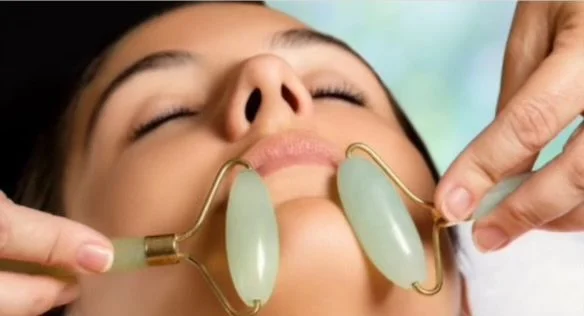
The practitioner may also incorporate other TCM techniques, such as gua sha (a facial massage technique using a smooth-edged tool) or herbal masks, to enhance the treatment's effects. These additional modalities can help improve lymphatic drainage, reduce puffiness, and promote a glowing complexion.
Benefits and Considerations
Benefits of Facial Acupuncture
- Natural and holistic approach to skincare
- Stimulates collagen production
- Improves blood circulation and skin tone
- Reduces fine lines and wrinkles
- Supports overall health and well-being
- Enhances skin hydration and elasticity
- Promotes relaxation and stress relief
Considerations and Precautions
- Ensure treatment is performed by a qualified and experienced practitioner
- Discuss any skin conditions or concerns with your practitioner before starting treatment
- Be aware of potential minor side effects, such as bruising or redness
- Follow post-treatment care instructions to maximize benefits and minimize any side effects
Conclusion
Facial acupuncture offers a natural and effective alternative to Botox and fillers, promoting youthful skin and overall health. By stimulating the body's natural healing processes, this holistic treatment can enhance your complexion and contribute to a sense of well-being. If you're looking for a safe and natural way to achieve radiant skin, facial acupuncture may be the right choice for you.
Website: eacuwell.com
Eastern Acupuncture And Wellness Plantation:
Eastern Acupuncture And Wellness Wilton Manors:

Meet Jennifer Cruz | Doctor of Acupunture and Oriental Medicine
At Eastern Acupuncture and Wellness, our mission is to redefine healthcare by integrating Eastern and Western modalities to provide comprehensive and holistic healing solutions. What sets us apart is our unwavering commitment to excellence and continuous education.
We had the good fortune of connecting with Jennifer Cruz and we’ve shared our conversation below.
Hi Jennifer, can you walk us through the thought-process of starting your business?
Our decision to establish Eastern Acupuncture and Wellness stemmed from a deep-rooted desire to create a healing sanctuary that embodies our shared vision of holistic well-being. As co-founders, one of whom is a licensed physician of acupuncture and oriental medicine with a doctorate in integrative medicine, and the other a seasoned licensed massage therapist with over 30 years of experience, we recognized a gap in traditional healthcare that could be filled with our unique blend of expertise.
Our thought process was guided by a commitment to offering comprehensive, patient-centered care that addresses not just physical ailments, but also the emotional and spiritual aspects of health. We envisioned a space where individuals could find solace, hope, and empowerment on their healing journeys.
Furthermore, we were driven by a passion for promoting the integration of Eastern and Western healing modalities, believing that this interdisciplinary approach holds the key to unlocking new possibilities in healthcare. Our goal was to create a practice that serves as a beacon of innovation and collaboration in the field of holistic medicine.
Ultimately, our decision to start our own business was fueled by a shared dedication to making a meaningful difference in the lives of our patients and our community. We believed—and continue to believe—that Eastern Acupuncture and Wellness has the potential to be not just a place of healing, but a catalyst for positive change in the broader healthcare landscape.

What should our readers know about your business?
At Eastern Acupuncture and Wellness, our mission is to redefine healthcare by integrating Eastern and Western modalities to provide comprehensive and holistic healing solutions. What sets us apart is our unwavering commitment to excellence and continuous education. We take immense pride in our team of physicians, all of whom have pursued advanced degrees or postgraduate studies in acupuncture, oriental medicine, and integrative medicine. Similarly, our dedicated massage therapists and administrative staff are continuously honing their skills and expanding their knowledge base.
Our journey to where we are today has been one of perseverance and dedication. We are driven by a vision of making traditional Chinese medicine, acupuncture and massage accessible to everyone as part of a preventative healthcare system. While it hasn’t been easy, we have overcome challenges by prioritizing communication, community education, and building trust with our patients and the broader community.
Along the way, we have learned invaluable lessons about the importance of adaptability, resilience, and collaboration. We have discovered that success is not just about achieving individual milestones but also about fostering meaningful connections and partnerships that propel us forward.
What we want the world to know about Eastern Acupuncture and Wellness is that we are more than just a healthcare practice, we are a community dedicated to empowering individuals with hope and healing. At our core, we simply empower people with hope. Our brand represents a fusion of ancient wisdom and modern innovation, where every treatment is personalized and holistic in nature.
Ultimately, our story is one of passion, purpose, and perseverance. We believe in the transformative power of holistic healing and are committed to making a positive impact on the lives of our patients and our community.
If you had a friend visiting you, what are some of the local spots you’d want to take them around to?
Day 1: – Morning: Start the day with a rejuvenating yoga class at Anuttara Yoga in Fort Lauderdale.
– Midday: Head to the beach to soak in the ocean.
– Afternoon: lunch and smoothies at Myapapaya Juicery + Kitchen.
– Late Afternoon: Try stand-up paddleboarding
– Evening: Wind down with a relaxing tea at The Alchemist and indulge in a massage and acupuncture session at Eastern Acupuncture and Wellness.
Day 2:
– Morning: Begin with another invigorating yoga class at Anuttara Yoga.
– Midday: Vegan feast at PS Green Vegan Express, with smoothies and a breakfast wrap.
– Afternoon: Head to Morikami Gardens and enjoy a sushi lunch at the garden.
– Late Afternoon/Evening: Maybe a beach sound healing session to end the day
Day 3:
– Morning: Start the day with a sensory deprivation experience at Float8 Wellness Lounge for deep relaxation and introspection.
– Midday: Head to homestead to Roberts is here
– Afternoon: sand play therapy with Sandra O at The Raw Way for a unique and transformative experience.
– Evening: Indian for dinner and attend a family constellation session with Eric Lopez
Day 4:
– Morning: Drive to Temple of the Universe, in Gainsville
– Midday: Vegetarian lunch at a local eatery near the temple.
– Afternoon: relax on a hammock
– Evening: Meditation at the temple and talk with Michael SInger
Day 5:
– Morning: Depart for Blue Springs State Park.
– Midday: Picnic lunch at Blue Springs State Park.
– Afternoon: Snorkeling, tubing, and swimming in the Springs.
– Evening: Camp Fire and painting
Day 6 & 7:
– Cold plunge, facials, meditation, yoga, delicious food, sunsets and sunrises.
Shoutout is all about shouting out others who you feel deserve additional recognition and exposure. Who would you like to shoutout?
First and foremost, we want to dedicate our shoutout to our incredible team at Eastern Acupuncture and Wellness. Each member has played a pivotal role in shaping our practice into what it is today. From our dedicated practitioners who bring their expertise and compassion to every patient, to our administrative staff who ensure smooth operations behind the scenes, every person on our team contributes to our collective success.
Additionally, we are immensely grateful for the guidance and mentorship provided by our colleagues in the holistic health community. Their insights, wisdom, and camaraderie have been invaluable as we navigate the challenges and opportunities of running our own business.
We also want to extend our appreciation to our patients, whose trust and belief in our approach to healing inspire us daily. Their stories of transformation and healing fuel our passion for what we do and remind us of the profound impact holistic medicine can have on individual lives.
Lastly, we would like to acknowledge the support of our friends, family, and loved ones who have stood by us every step of the way. Their unwavering belief in our vision and their encouragement during both the triumphs and challenges of entrepreneurship have been a source of strength and motivation.
In essence, our shoutout is dedicated to the collective network of individuals, groups, and organizations who have played a part in our journey. Without their support, guidance, and encouragement, Eastern Acupuncture and Wellness would not be where it is today. We are profoundly grateful and humbled for each and every contribution to our story.
Website: eacuwell.com
Eastern Acupuncture And Wellness Plantation:
Eastern Acupuncture And Wellness Wilton Manors:

Seasonal Spring Superfoods to Consider: A Traditional Chinese Medicine Perspective
Spring marks a period of renewal and growth, a theme that resonates deeply within Traditional Chinese Medicine (TCM). Emphasizing the importance of seasonal eating, TCM teaches us to harmonize our diet with the cyclical patterns of nature for optimal health. This season, a plethora of spring superfoods, enriched with both nutritional value and TCM herbs, stands ready to invigorate our health and wellness practices.
Spring marks a period of renewal and growth, a theme that resonates deeply within Traditional Chinese Medicine (TCM). Emphasizing the importance of seasonal eating, TCM teaches us to harmonize our diet with the cyclical patterns of nature for optimal health. This season, a plethora of spring superfoods, enriched with both nutritional value and TCM herbs, stands ready to invigorate our health and wellness practices. Integrating seasonal spring superfoods into your diet, guided by TCM, offers a holistic approach to health that transcends mere nutrition.

The Essence of Seasonal Eating
In TCM, aligning one’s diet with the changing seasons is essential for maintaining balance within the body. Spring is associated with the Wood element and the liver, focusing on foods that support detoxification and the smooth flow of Qi. Selecting produce that is at its nutritional peak during spring ensures that you are receiving the most potent benefits these foods have to offer, embodying the TCM philosophy that food is the best medicine.
Fresh Spring Produce Picks
Light and Refreshing Spring Recipes
Spring's bounty offers a variety of vegetables and TCM herbs, including nutrient-rich bamboo shoots, clover, garlic, fava beans, and Malantou (a type of Chinese kale), alongside asparagus and artichokes. These are complemented by herbs like mint and dandelion greens, known for their liver-cleansing properties. Incorporating these ingredients into meals creates dishes that are not only light and refreshing but also beneficial for springtime detoxification and wellness.
Spring Detox with Superfoods
To embrace spring's cleansing energy, incorporating detoxifying superfoods and herbs like cilantro, schisandra berries, ginseng, astragalus, and fresh peony roots is crucial. These components work together to cleanse the liver, support Qi flow, and boost the immune system, offering a unique blend of flavors and health benefits that reflect TCM's holistic approach to health.
Farmers Market Finds
A visit to the local farmers market during spring can reveal a treasure trove of seasonal produce and traditional herbs. Look for bamboo shoots, clover, and Malantou for unique flavors and medicinal benefits. TCM staples like goji berries and chrysanthemum flowers, used as food or tea, can support eye health and soothe spring allergies, providing an exciting array of options for expanding your springtime menu.
Professional Guidance and Collaboration
Engaging with TCM practitioners or chefs who specialize in traditional culinary practices can offer new insights into using spring superfoods and herbs. Their expertise can introduce you to the therapeutic aspects of cooking with ingredients like bamboo shoots, clover, and Malantou, enhancing both the flavor and health benefits of your meals.

Conclusion
This spring, let the principles of TCM inspire your diet with superfoods and herbs that support detoxification and liver health. The addition of bamboo shoots, clover, garlic, fava beans, and Malantou to your meals not only brings a taste of the season to your table but also aligns with the principles of renewal and rejuvenation inherent to spring. By integrating these foods into your diet, you can enjoy the dual benefits of delicious meals and a balanced, healthy body, truly embodying the TCM philosophy that food is the best medicine.
Eastern Acupuncture And Wellness Plantation:
Eastern Acupuncture And Wellness Wilton Manors:

Cupping Therapy for Sports Recovery
In the modern quest for wellness, ancient practices are being revisited for their healing potential, especially for conditions like neuropathy. Acupuncture, a practice rooted in traditional Chinese medicine, emerges as a beacon of hope for many suffering from this nerve-related condition.
In the evolving landscape of athletic performance and sports recovery, the integration of traditional and alternative medicine practices, such as cupping therapy, has garnered significant attention. This ancient technique, deeply rooted in Traditional Chinese Medicine (TCM), is being rediscovered for its potential in enhancing recovery and performance.

Understanding Cupping Therapy
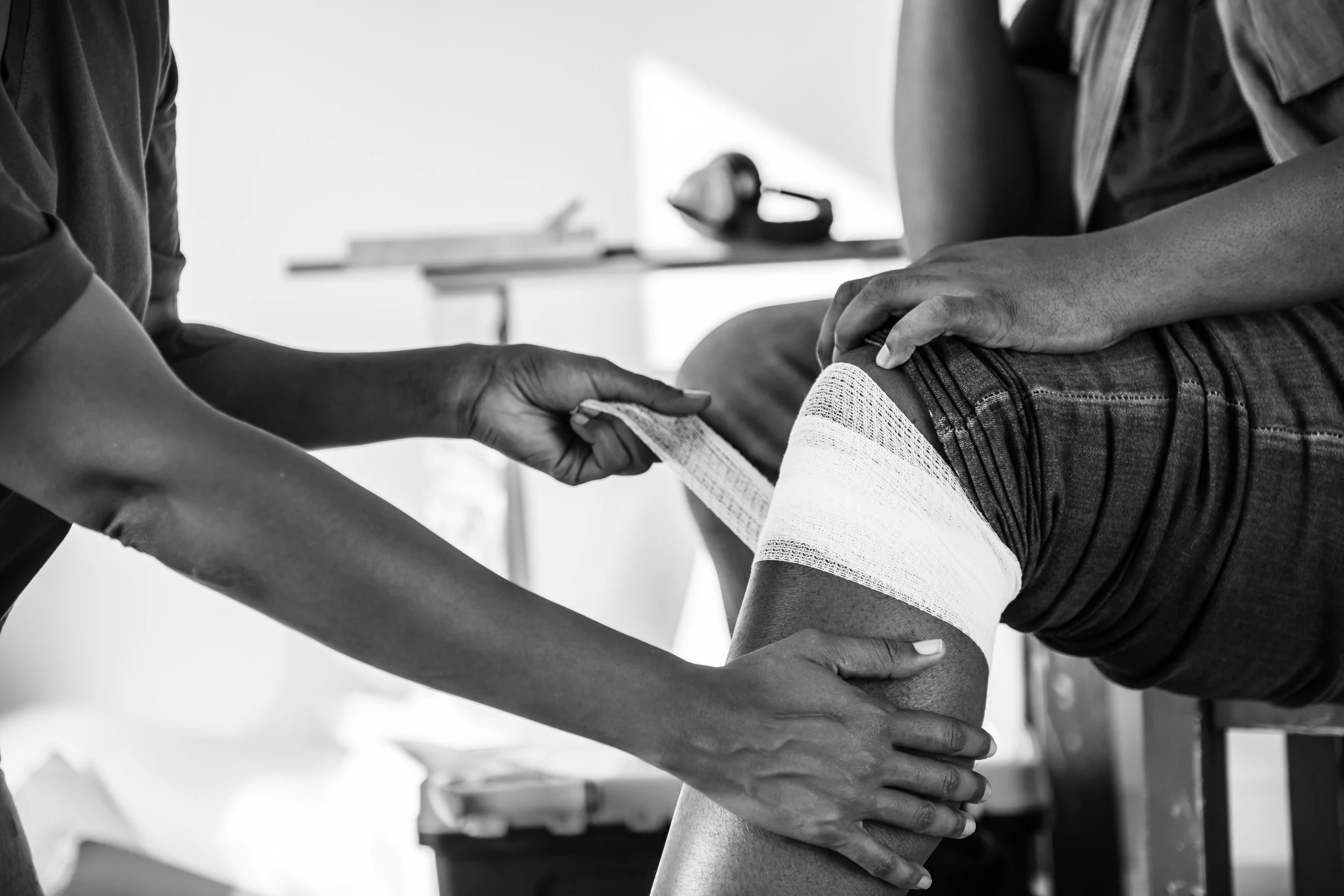
Cupping therapy involves the application of suction cups on the skin, creating a vacuum that promotes blood flow, reduces inflammation, and facilitates muscle relaxation. While its origins are ancient, its adoption into holistic treatments by athletes worldwide underscores its relevance in modern sports medicine.
Cupping and Sports Performance
Benefits of Cupping Therapy in Athletes
Athletes can enjoy a range of benefits from cupping therapy, including accelerated recovery, reduced muscle stiffness, improved joint health, and enhanced performance. Its effectiveness in myofascial release helps in significantly lowering muscle discomfort and improving flexibility, crucial for peak athletic performance.
Muscle Rehabilitation and Myofascial Release with Alternative Medicine
Cupping's unique approach to muscle and soft tissue rehabilitation sets it apart in the realm of alternative medicine. By aiding in the release of tight fascia and muscle knots, it plays a pivotal role in muscle recovery and rehabilitation, promoting greater mobility and injury prevention.
Injury Prevention and Pain Management with Holistic Treatments
Holistic treatments, including cupping therapy, offer athletes a proactive strategy for injury prevention and pain management. Cupping's ability to enhance circulation and facilitate tissue repair makes it a valuable component of any athlete's recovery regimen.
Integrating Cupping into Sports Recovery Programs
The integration of cupping therapy into sports recovery programs offers a comprehensive approach to athlete rehabilitation. When combined with traditional recovery methods, the synergistic effects of cupping can significantly enhance recovery outcomes.
Addressing Concerns and Misconceptions
While the benefits of cupping are vast, it's essential to address concerns about its efficacy and potential side effects. Performed by a Licensed Acupuncture Physician or TCM practitioner, cupping is a safe and effective method, with side effects typically limited to temporary skin discoloration.
Safety and Precautions for Cupping Treatments
The Importance of Professional Administration
The administration of cupping therapy by Acupuncture Physicians or TCM practitioners, as opposed to less trained professionals, is crucial. These experts possess a deep understanding of the body’s meridians and are skilled in identifying the optimal cupping points that correspond to an athlete’s specific needs, ensuring a more effective and tailored treatment experience.
Professional Guidance and Collaboration
For athletes, receiving cupping therapy from certified TCM practitioners or Acupuncture Physicians ensures the treatment is accurately targeted to address sports-related concerns, maximizing therapeutic benefits. Their expertise guarantees that cupping is seamlessly integrated with other recovery modalities, enhancing efficacy and safety.

Conclusion
Cupping therapy for sports recovery presents a compelling case for integrating traditional and alternative medicine techniques into athletic training programs. Its benefits in muscle rehabilitation, injury prevention, and overall performance enhancement are supported by both historical use and contemporary clinical experiences. By addressing safety concerns and emphasizing professional application, cupping therapy stands as a valuable tool in the athlete's recovery arsenal, bridging the gap between ancient wisdom and modern sports science.
Eastern Acupuncture And Wellness Plantation:
Eastern Acupuncture And Wellness Wilton Manors:

Pediatric Acupuncture: How do Children Benefit from Traditional Chinese Medicine
In the realm of pediatric wellness, Traditional Chinese Medicine (TCM) has emerged as a gentle yet effective approach to nurturing children's health. Acupuncture, a cornerstone of TCM, offers a unique avenue for supporting children's well-being by harnessing the body's innate healing capacities.
In the realm of pediatric wellness, Traditional Chinese Medicine (TCM) has emerged as a gentle yet effective approach to nurturing children's health. Acupuncture, a cornerstone of TCM, offers a unique avenue for supporting children's well-being by harnessing the body's innate healing capacities.

Understanding Pediatric Acupuncture
Pediatric acupuncture involves the application of fine needles or non-invasive techniques on specific points of a child's body to stimulate energy pathways known as meridians. It's a modified and gentle approach tailored to suit a child's comfort and sensitivity, ensuring a positive experience. Absolutely, here's an expanded section focusing on pediatric acupuncture techniques and their tailored approach to children's comfort:
Gentle Approach:
Pediatric acupuncture involves a modified approach that acknowledges a child's unique needs and sensitivities. Practitioners employ techniques that prioritize comfort, safety, and effectiveness, ensuring a positive experience for young patients.
Non-Invasive Methods:
Non-Needle Techniques: While traditional acupuncture uses fine needles, pediatric acupuncture often utilizes non-invasive methods to stimulate acupoints. These include acupressure, laser acupuncture, or microcurrent stimulation. These techniques bypass the use of needles while effectively promoting the flow of energy within the body.
Shonishin: Shonishin, a Japanese pediatric acupuncture technique, involves gentle tapping or brushing of specific areas on the skin without puncturing it. This approach is well-suited for children as it's non-invasive and often considered enjoyable, resembling a gentle massage.
Minimal Discomfort:
Fewer and Finer Needles: When needles are used, practitioners opt for fewer and finer needles to minimize discomfort. These needles are inserted swiftly and shallowly into specific points, ensuring a gentle and painless experience.
Playful Environment: Creating a child-friendly atmosphere during sessions is crucial. Distractions like toys, storytelling, or colorful decor are incorporated to engage children and alleviate any potential anxiety or fear.
Tailored Treatment:
Individualized Care: Each child's treatment plan is personalized based on their age, condition, and temperament. Practitioners consider a child's constitution and adapt treatments accordingly to suit their unique needs.
Sensitivity to Energy Pathways: Acupuncture for children aims to stimulate energy pathways, known as meridians, in a gentle manner. The focus is on restoring balance in the body's energy flow rather than causing discomfort or pain.
Parental Involvement:
Supportive Role of Parents: Parents play a pivotal role in supporting their child during acupuncture sessions. Their presence, reassurance, and participation in the process contribute to creating a comforting and reassuring environment for the child.
Collaborative Care:
Communication and Feedback: Practitioners maintain open communication with both the child and their parents, ensuring that the child feels heard and comfortable throughout the process. They adapt treatments based on feedback and observations.
Safety and Effectiveness:
Safety Protocols: Acupuncture for children adheres to strict safety standards. Practitioners use sterile, disposable needles when employed, ensuring a safe and hygienic environment for treatments.
Evidence-based Practice: Pediatric acupuncture integrates evidence-based practices to ensure its effectiveness in addressing various health concerns while prioritizing the child's well-being.
Pediatric acupuncture, whether through non-invasive techniques or gentle needle applications, is a tailored and child-centered approach that prioritizes comfort, safety, and the holistic well-being of young patients.
Benefits for Children's Health

Child-Friendly Acupuncture
Child-oriented acupuncture employs techniques that resonate with young patients, ensuring a comfortable and stress-free experience. From using fewer needles to incorporating playful distractions, practitioners create a child-friendly environment for treatment.
Conditions Treated with Pediatric Acupuncture
Pediatric acupuncture offers support for various childhood conditions including allergies, digestive issues, anxiety, ADHD, sleep disorders, and pain management. It aids in balancing energy flow, promoting relaxation, and strengthening the body's resilience.
Integrative Pediatrics
TCM principles integrate seamlessly into pediatric care, offering holistic solutions that complement Western medicine. Integrative pediatrics combine the best of both worlds, providing a comprehensive approach to children's health.
TCM Principles in Pediatric Care

Herbal medicine and nutritional guidance are integral to TCM pediatric care, offering natural remedies and dietary advice tailored to a child's specific needs. These approaches support the body's balance and address underlying imbalances.
Qi Gong and Mind-Body Practices
Mind-body practices like Qi Gong, gentle exercises, and mindfulness techniques foster emotional well-being and resilience in children. These practices promote relaxation, reduce stress, and support overall health.
TCM and Preventive Healthcare for Kids
TCM emphasizes preventive healthcare, focusing on maintaining balance and preventing illnesses before they occur. Incorporating TCM principles into a child's routine helps build a strong foundation for lifelong wellness.
Integrating TCM with Western Medicine
Collaboration between TCM practitioners and Western medicine experts ensures a holistic approach to pediatric care. This collaboration offers families a comprehensive array of options for their children's health.
Safety and Precautions for Kids' Holistic Treatments
Seeking Holistic Care and Integrative Medicine
When considering holistic treatments like acupuncture for children, consulting qualified practitioners ensures safe and effective care. Collaborating with healthcare professionals versed in integrative medicine offers well-rounded support.
Professional Guidance and Collaboration
A team-based approach involving pediatricians, TCM practitioners, nutritionists, and mental health professionals ensures comprehensive care, ensuring the best outcomes for children's health.

Conclusion
Pediatric acupuncture within the realm of Traditional Chinese Medicine provides a gentle, holistic, and child-friendly approach to supporting children's health. By embracing the principles of TCM, parents and healthcare providers can offer children a harmonious balance of ancient wisdom and modern care, fostering their well-being from an early age.
Eastern Acupuncture And Wellness Plantation:
Eastern Acupuncture And Wellness Wilton Manors:

Best Herbs to Support Your Immune System this Spring
As spring heralds new beginnings, it's an opportune time to fortify our immune systems against seasonal transitions. Harnessing the power of nature's remedies through herbal medicine offers a holistic approach to bolstering our defenses and promoting overall wellness.
As spring heralds new beginnings, it's an opportune time to fortify our immune systems against seasonal transitions. Harnessing the power of nature's remedies through herbal medicine offers a holistic approach to bolstering our defenses and promoting overall wellness. Discovering the best herbs for immune support can aid in adapting to the changing seasons while fostering a robust immune response.
In Traditional Chinese Medicine (TCM), spring holds a significant place as one of the five seasons, each associated with specific elemental energies, organs, emotions, and health considerations. In TCM philosophy, spring symbolizes renewal, growth, and regeneration, mirroring the awakening and blossoming of nature during this season.

Seasonal Energy and the Wood Element
In TCM, spring aligns with the Wood element, embodying qualities of vitality, expansion, and upward movement. This energy corresponds to the Liver and Gallbladder meridians, emphasizing their role in supporting the body's natural detoxification processes and the smooth flow of Qi (vital energy) throughout the body.
Emotions and Springtime
Emotionally, spring connects with feelings of hope, creativity, and the impulse to initiate new ventures. However, imbalances in the Wood element may manifest as frustration, irritability, or impatience. Harmonizing this energy in the body is essential to maintain emotional balance during the season.
Health Considerations in Spring
During spring, TCM emphasizes the importance of supporting the Liver and Gallbladder meridians to ensure the smooth flow of Qi and Blood. The liver is believed to store Blood and govern the overall movement of Qi in the body, while the Gallbladder is associated with decision-making and flexibility.
In Western medicine, the liver and gallbladder play crucial roles in the digestive process and overall metabolic function.
Liver Function:
1. Metabolism: The liver is a metabolic powerhouse, responsible for processing nutrients from food, converting them into substances the body can use, and regulating their distribution throughout the body.
2. Detoxification: It acts as a filter, detoxifying the body by metabolizing and breaking down toxins, drugs, and other harmful substances, allowing them to be excreted.
3. Bile Production: The liver synthesizes bile, a crucial fluid that aids in the digestion of fats. Bile is stored in the gallbladder before being released into the small intestine to emulsify fats, enhancing their digestion.
4. Storage: The liver stores essential nutrients like vitamins (A, D, E, K), iron, and glycogen, which is a stored form of glucose used for energy.
5. Blood Regulation: It helps regulate blood sugar levels by storing or releasing glucose as needed. It also produces certain blood proteins necessary for clotting and transport.
6. Production of Proteins: The liver synthesizes proteins important for various bodily functions, including blood clotting factors and albumin, a key protein in maintaining osmotic balance in blood vessels.
Gallbladder Function:
1. Bile Storage: The gallbladder stores bile produced by the liver and concentrates it. When fat-containing foods are ingested, the gallbladder contracts, releasing bile into the small intestine to aid in fat digestion.
2. Bile Secretion: It responds to signals from the body indicating the need for bile release during digestion, especially after consuming fatty meals. Bile helps emulsify fats, facilitating their breakdown by enzymes for absorption.
In Western medicine, the liver and gallbladder are integral to digestive and metabolic processes, aiding in the breakdown of fats and toxins while regulating nutrient storage and blood composition. Dysfunction in these organs can lead to various health issues, emphasizing the importance of their optimal function for overall health.
Dietary Recommendations
TCM dietary principles for spring often focus on incorporating fresh, seasonal, and lightly cooked foods to support the Liver and encourage detoxification. Including foods with pungent flavors like spring onions, leafy greens, and radishes can help stimulate the movement of Qi.
Exercise and Lifestyle
Spring in TCM suggests embracing activities that encourage movement, flexibility, and emotional balance. Engaging in gentle exercises like Tai Chi or yoga supports the flow of Qi while calming practices such as meditation can help alleviate stress and maintain mental clarity.
Herbal Support
In TCM, certain herbs are recommended to support the body during spring. Herbs like dandelion root, milk thistle, and ginger may aid in detoxification, promoting healthy liver function and supporting the body's adjustment to the seasonal shift.
Holistic Wellness Approach
TCM views each season as an opportunity to align with nature's rhythms and adapt our lifestyles accordingly. By harmonizing ourselves with the energetic shifts of spring through diet, exercise, herbal remedies, and emotional balance, we can optimize our health and well-being during this transformative season.
Understanding Herbal Medicine
Herbal medicine, steeped in ancient traditions and wisdom, harnesses the healing properties of plants. These botanical allies offer a natural approach to wellness by providing a plethora of immune-boosting compounds that aid our bodies in combating seasonal challenges.
Spring's Immune Awakening
Springtime brings forth a burst of life, but it also exposes us to various environmental factors that can challenge our immune resilience. Immune support during this season involves adapting to shifts in weather, pollen exposure, and fluctuating temperatures.
Adapting to Seasonal Shifts
Adaptogenic herbs play a pivotal role in supporting our bodies during seasonal transitions. Their ability to help the body adapt to stress and environmental changes makes them valuable allies for maintaining immune balance in the springtime.
Elderberry: Nature's Immune Tonic
Elderberry stands as a prominent immune tonic, rich in antioxidants and flavonoids. Its ability to bolster the immune system's response makes it a go-to remedy for seasonal wellness.
Astragalus: Rooted in Immunity
Astragalus, revered in traditional Chinese medicine, fortifies the immune system by supporting the body's natural defense mechanisms. Its adaptogenic properties help in navigating seasonal shifts effectively.
Peppermint: Refreshing Immune Support
Peppermint, beyond its refreshing flavor, offers immune support through its antimicrobial properties. This herb helps in promoting respiratory health, especially during seasonal transitions.
Licorice Root: Soothing Immune Defense
Licorice root acts as an immune modulator, offering a soothing effect on the respiratory system while supporting immune responses.
Dandelion: Detoxifying for Immunity
Dandelion, known for its detoxifying properties, aids the immune system by promoting liver health, a crucial aspect of overall immunity.
Chamomile: Calming the Immune Response
Chamomile's anti-inflammatory properties not only soothe but also modulate immune responses, contributing to overall immune health during seasonal changes.
Alternative Medicine vs Traditional Medicine
The choice between alternative and traditional medicine often presents itself. Herbal remedies, deeply rooted in traditional practices, provide a complementary option alongside conventional treatments for immune support.
Seeking Holistic Care and Integrative Medicine
Opting for holistic care involves a comprehensive approach, combining various modalities to support overall wellness. Consulting healthcare professionals well-versed in both traditional and alternative medicine ensures a holistic and personalized approach to immune support.
Professional Guidance and Collaboration
Collaboration among practitioners specializing in different fields, such as herbalists, naturopaths, and conventional healthcare providers, ensures a well-rounded and integrative approach to immune system care.

Conclusion
Spring, as perceived in Traditional Chinese Medicine, is not just a change in weather but an opportunity to cultivate harmony within ourselves, embracing the renewing energy of the season to nourish our body, mind, and spirit in alignment with nature's cyclical rhythm. Spring heralds not just a season of blossoms but also a time to prioritize our immune health. Incorporating these herbs into our daily routines can fortify our immune systems, enabling us to embrace the vibrancy of spring with robust well-being.
Eastern Acupuncture And Wellness Plantation:
Eastern Acupuncture And Wellness Wilton Manors:

How Can Cupping Help Your Diastasis Recti?
Navigating postpartum recovery involves addressing various aspects of physical wellness. Diastasis recti, characterized by abdominal separation, is a common concern for many postpartum individuals. While numerous approaches exist for rehabilitation, cupping therapy, rooted in Traditional Chinese Medicine (TCM), has emerged as a holistic solution for addressing diastasis recti and promoting abdominal healing.
Navigating postpartum recovery involves addressing various aspects of physical wellness. Diastasis recti, characterized by abdominal separation, is a common concern for many postpartum individuals. While numerous approaches exist for rehabilitation, cupping therapy, rooted in Traditional Chinese Medicine (TCM), has emerged as a holistic solution for addressing diastasis recti and promoting abdominal healing.

Understanding Diastasis Recti
Certainly! Diastasis recti, often referred to as abdominal separation, is a condition characterized by the stretching or thinning of the linea alba, the connective tissue between the rectus abdominis muscles. This thinning results in a noticeable gap or separation along the midline of the abdomen, creating a visible bulge when the abdominal muscles are engaged or during certain movements.
The condition typically manifests post-pregnancy due to the physiological changes that occur during gestation. As the uterus expands to accommodate the growing fetus, the abdominal muscles and connective tissue undergo significant stretching to accommodate the increased abdominal pressure. This prolonged stretching and separation weaken the integrity of the connective tissue, leading to a weakened core and compromised support for the abdominal organs.
During pregnancy, hormonal changes, particularly the hormone relaxin, contribute to the relaxation of the connective tissues throughout the body, including the abdominal area. This hormonal influence, combined with the physical strain of carrying the baby, contributes to the gradual widening and thinning of the linea alba.
The result is often a noticeable separation between the right and left sides of the rectus abdominis muscles. This separation can persist postpartum, affecting not only the aesthetic appearance of the abdomen but also the functional strength of the core muscles.
Common symptoms of diastasis recti include:
1. Visible Bulge: When the abdominal muscles are engaged, a visible ridge or bulge may appear along the midline of the abdomen, particularly noticeable during activities like sitting up or doing abdominal exercises.
2. Weak Core Stability: Weakened abdominal muscles and compromised connective tissue integrity can lead to decreased core stability and support, causing difficulties in activities that require core strength, such as lifting objects or maintaining posture.
3. Lower Back Pain: Diastasis recti can contribute to lower back pain as the weakened core muscles struggle to provide adequate support to the spine, resulting in increased stress on the lower back.
4. Digestive Issues: Some individuals may experience digestive discomfort or issues due to the compromised abdominal support.
Addressing diastasis recti involves a multifaceted approach that aims to strengthen the core muscles, improve connective tissue integrity, and gradually close the separation. Techniques like cupping therapy, when integrated into a comprehensive postnatal care plan, can aid in promoting tissue healing, enhancing blood flow to the affected area, and supporting the restoration of abdominal integrity.
The Role of Cupping Therapy
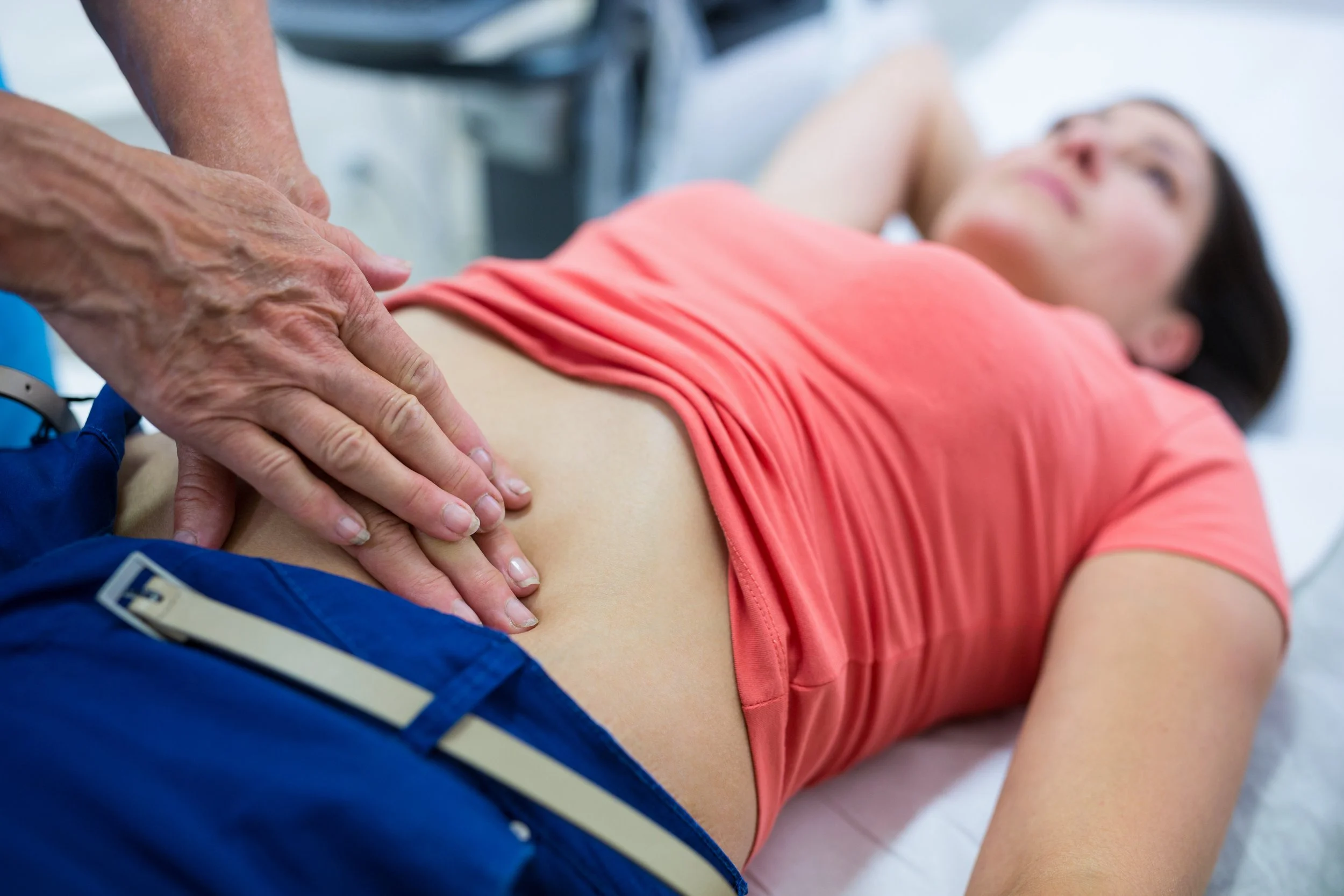
Cupping therapy, a technique derived from TCM, plays a pivotal role in promoting myofascial release and reducing scar tissue in the abdominal region. By using cups to create suction on the skin, cupping helps stimulate blood flow and relax tight muscles, aiding in the restoration of connective tissue health.
Myofascial Release and Scar Tissue Reduction
Through the application of cups, cupping therapy facilitates myofascial release, targeting the fascia and muscles in the abdominal area. This technique aids in breaking down scar tissue, improving tissue elasticity, and gradually reducing the separation between the rectus abdominis muscles.
TCM Perspective on Abdominal Healing
Traditional Chinese Medicine offers a holistic approach to diastasis recti by focusing on restoring balance within the body. Cupping therapy, as a part of TCM practices, aligns with this approach by promoting the body's natural healing mechanisms, addressing imbalances, and fostering abdominal healing.
Improved Circulation and Collagen Production
Cupping enhances circulation in the targeted area, encouraging increased blood flow to the abdominal region. This improved circulation not only aids in tissue repair but also stimulates collagen production, contributing to the strengthening and rejuvenation of connective tissues.
Practical Application of Cupping
Holistic Healing for Postpartum Wellness
Cupping therapy serves as a holistic modality for postpartum wellness, offering a gentle yet effective approach to addressing diastasis recti. Its non-invasive nature and focus on promoting the body's innate healing capacities make it a valuable component of holistic postnatal care.
Alternative Medicine vs Traditional Medicine
When exploring treatments for diastasis recti, individuals often face the choice between alternative and traditional medicine. Cupping therapy, while rooted in ancient practices, integrates seamlessly into contemporary approaches to postpartum recovery, offering a complementary option alongside conventional treatments.
Seeking Holistic Care and Integrative Medicine
Opting for holistic care involves a comprehensive approach that combines various modalities. Seeking guidance from healthcare professionals well-versed in both traditional and alternative medicine ensures a well-rounded treatment plan that may include cupping therapy, pelvic floor rehabilitation, and personalized postnatal fitness routines.

Professional Guidance and Collaboration
Collaboration between practitioners specializing in different fields, such as TCM practitioners, physical therapists, and postnatal fitness instructors, is beneficial for individuals seeking holistic treatments for diastasis recti. This collaborative approach ensures a tailored and comprehensive plan addressing various aspects of recovery.
Eastern Acupuncture And Wellness Plantation:
Eastern Acupuncture And Wellness Wilton Manors:

What is considered Traditional Chinese Medicine?
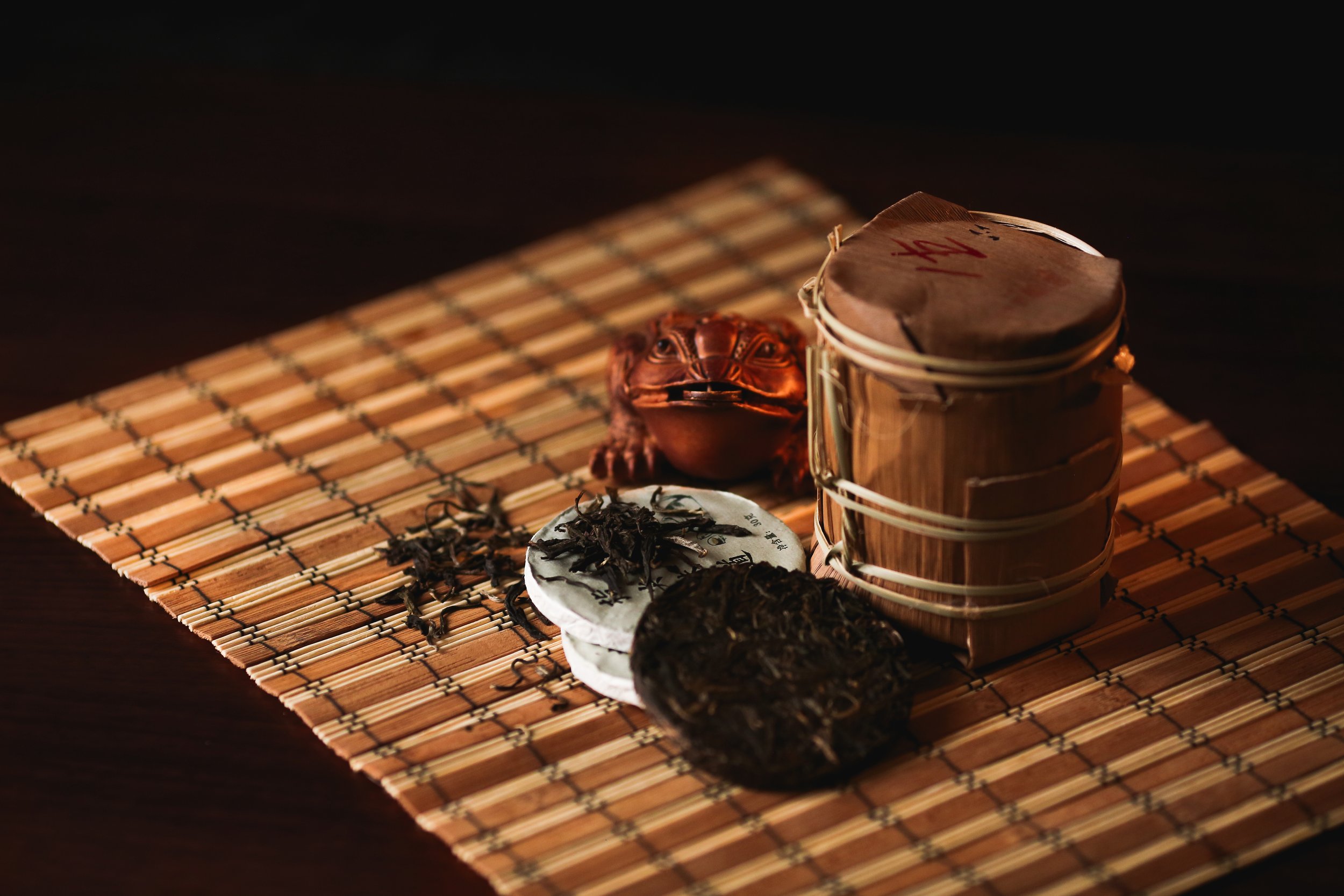
For thousands of years, Traditional Chinese Medicine (TCM) has stood as a testament to holistic healing practices rooted in ancient wisdom. This comprehensive system not only treats ailments but strives to harmonize the mind, body, and spirit.
For thousands of years, Traditional Chinese Medicine (TCM) has stood as a testament to holistic healing practices rooted in ancient wisdom. This comprehensive system not only treats ailments but strives to harmonize the mind, body, and spirit.
Foundations of TCM
At the heart of TCM lies a philosophy deeply connected to nature and the concept of balance. It acknowledges the body's innate ability to heal itself and focuses on maintaining equilibrium for optimal health.
Acupuncture: The Art of Balancing Energy
One of the most renowned TCM practices, acupuncture, involves inserting fine needles into specific points along energy pathways to restore balance and alleviate various conditions. Acupuncture, an integral part of Traditional Chinese Medicine, has gained recognition globally for its therapeutic effects. Modern research has delved into the biochemical mechanisms underlying this ancient practice, shedding light on its efficacy.
The Science Behind Acupuncture
Studies show that acupuncture stimulates the release of neurotransmitters like endorphins, which act as natural painkillers, and serotonin, aiding in mood regulation and promoting a sense of well-being.
Research conducted using functional magnetic resonance imaging (fMRI) has revealed that acupuncture triggers measurable changes in brain activity. It influences regions associated with pain modulation, mood regulation, and even autonomic responses.
Moreover, the insertion of fine needles at specific points triggers local micro-trauma, prompting the body's natural healing response. This process activates local tissue repair mechanisms, increases blood flow, and reduces inflammation. At a biochemical level, acupuncture has been shown to modulate the release of inflammatory markers, such as cytokines, thereby contributing to the reduction of inflammation in certain conditions.
Additionally, acupuncture impacts the hypothalamic-pituitary-adrenal (HPA) axis, which plays a crucial role in stress regulation. By regulating the HPA axis, acupuncture helps mitigate the effects of chronic stress on the body.
Research and Clinical Studies
Numerous clinical trials have demonstrated promising results in managing chronic pain, migraines, nausea, and aiding in fertility treatments.
For example, in a meta-analysis published in the Journal of Pain, researchers found that acupuncture effectively relieved chronic pain and improved physical function, supporting its role as a complementary therapy.
Integrative Approach
Herbal Medicine: Nature's Pharmacy
TCM's herbal remedies, comprising a vast array of plant-based compounds, address ailments while considering individual constitutions and patterns of disharmony.
Herbal Medicine: Nature's Pharmacy
TCM's utilization of herbal remedies as a cornerstone of healing involves a rich spectrum of plant-based compounds meticulously selected to address specific ailments and individual constitutions.
Biochemical Foundations
Herbal medicines often contain active compounds such as alkaloids, flavonoids, terpenes, and polyphenols. These bioactive constituents interact with the body's biochemical pathways, influencing various physiological processes.
Individualized Treatment Approach
A fundamental principle of TCM is recognizing individual constitutions and patterns of disharmony. Herbal prescriptions are customized based on these patterns, aiming to restore balance and address the root cause of imbalances rather than merely alleviating symptoms.
Research and Scientific Understanding
Modern scientific research corroborates the efficacy of many TCM herbal remedies. Studies have identified specific mechanisms of action for various herbs. For instance, herbs like Ginseng have been found to contain compounds that exert adaptogenic effects, helping the body adapt to stress and enhancing overall resilience.
Additionally, herbs like Turmeric have gained attention for their anti-inflammatory properties attributed to compounds like curcumin, which modulate inflammatory pathways in the body.
Integration with Modern Medicine
The integration of TCM herbal medicine with modern science showcases its potential in various therapeutic areas. Clinical trials and studies continue to explore the effectiveness of TCM herbs in managing conditions like cardiovascular diseases, immune disorders, and metabolic syndromes.
Herbal Formulations and Synergy
TCM often combines multiple herbs in formulations to enhance efficacy and reduce side effects. This synergy among different herbal compounds creates a comprehensive therapeutic effect, addressing multiple aspects of a health condition simultaneously.

Cupping Therapy: Drawing Out Toxins
Involves placing cups on the skin to create suction, promoting blood flow, and releasing toxins from the body.
Mechanisms of Cupping
The suction created by cupping stimulates blood flow to the area, promoting microcirculation and aiding in tissue repair. This process helps release fascia, the connective tissue, and muscles, potentially relieving muscle tension and enhancing flexibility.
Understanding Toxins in Cupping
The term "toxins" in cupping therapy historically referred to stagnation or blockages in the flow of Qi or blood. In modern terms, this stagnation may correlate with localized inflammation, reduced blood circulation, or muscle tension.
Scientific Research
While extensive scientific research on cupping is ongoing, some studies have shed light on its potential benefits. For instance, a review published in the Journal of Traditional and Complementary Medicine suggests that cupping therapy can effectively alleviate pain, particularly musculoskeletal pain, and improve overall well-being.
Moreover, research utilizing imaging techniques like thermography has demonstrated increased blood flow and tissue perfusion in areas subjected to cupping. This supports the notion that cupping promotes circulation and aids in tissue healing.
Meridian System and Energy Pathways
Central to TCM is the concept of meridians, energy pathways through which life force, or Qi, flows. Balancing Qi flow is key to restoring health and vitality.
Dietary Therapy: Nourishing the Body and Mind
TCM emphasizes the importance of food in maintaining health, utilizing dietary recommendations tailored to individual needs.
Mind-Body Connection in TCM
TCM recognizes the profound link between mental and physical health, employing practices like meditation and Tai Chi to foster harmony.
Alternative Medicine vs. Traditional Medicine
While TCM offers alternative approaches, it integrates seamlessly with conventional medicine, aiming for a complementary, holistic healthcare model.
Seeking Holistic Care and Integrative Medicine
Increasingly, individuals are turning to integrative medicine, combining TCM with Western practices for a more comprehensive approach to wellness.

Conclusion
Traditional Chinese Medicine, with its profound philosophy and holistic modalities, offers a unique perspective on health and healing. Embracing its principles can lead to a balanced, harmonious life.
Eastern Acupuncture And Wellness Plantation:
Eastern Acupuncture And Wellness Wilton Manors:
To explore more about Traditional Chinese Medicine, you can visit [Traditional Chinese Medicine](https://www.eacuwell.com/chinese-medicine) or [book a complimentary consultation today!](https://www.eacuwell.com/book-now).

Revitalize Your Journey: Elevating Weight Loss through Holistic Transformation with the Standard Process Detox
The pursuit of effective weight loss often involves detoxification to support the body's natural processes. Understanding the synergy between weight loss and the SP Detox offers insights into a holistic approach to achieving lasting wellness.
Introduction
The pursuit of effective weight loss often involves detoxification to support the body's natural processes. Understanding the synergy between weight loss and the SP Detox offers insights into a holistic approach to achieving lasting wellness.
Exploring Detoxification for Effective Weight Loss
Detoxification plays a pivotal role in facilitating sustainable weight loss by eliminating toxins that hinder metabolic function. Detoxification, essential for optimal wellness, involves the body's natural processes of eliminating toxins and waste products. Here's why it's crucial:

Removal of Toxins:
Eliminating Accumulated Toxins: Our bodies encounter various toxins daily from environmental pollutants, processed foods, medications, and even stress. Over time, these toxins can accumulate in tissues, affecting organ function and overall health. Detoxification helps eliminate these accumulated toxins, reducing the body's toxic burden.
Support for Organ Function:
-Liver Support: The liver, a vital detoxification organ, metabolizes and neutralizes toxins. Detoxification aids in supporting liver function, allowing it to efficiently process and remove harmful substances from the body.
-Kidney Health: The kidneys play a role in filtering waste products from the blood. Detoxification supports kidney function by aiding in the elimination of waste and excess substances through urine.
Enhanced Nutrient Absorption:
Optimizing Nutrient Utilization: Detoxification supports the body's ability to absorb and utilize essential nutrients from food. When the body is burdened with toxins, it may not efficiently absorb nutrients, impacting overall health.
Balancing Body Systems:
Reducing Inflammation: Toxins can contribute to inflammation in the body, which is linked to various chronic health conditions. Detoxification may help reduce inflammation, promoting better overall health.
Boosting Energy Levels and Vitality:
Improved Energy: By reducing the load of toxins in the body, detoxification can enhance energy levels and vitality. This often leads to improved mental clarity and focus.
Supporting Weight Management:
Aiding Weight Loss: Some toxins are stored in fat cells, impacting metabolism and hormone balance. Detoxification can aid in releasing these stored toxins, potentially supporting weight loss efforts.

Stress Reduction:
Emotional and Mental Well-being: Reducing toxic load can also positively impact mental and emotional health. By eliminating toxins, detoxification may contribute to reduced stress levels and improved mood.
What is the SP Detox:
The Standard Process Detox is a comprehensive 21-day purification program designed to reset the body by supporting its natural detoxification mechanisms. It involves a structured plan emphasizing whole foods, supplements, and lifestyle changes to promote health and well-being. The program aims to eliminate processed foods, artificial additives, sugars, caffeine, and alcohol while encouraging the consumption of nutrient-dense, organic foods.
Key components of the Standard Process Detox:
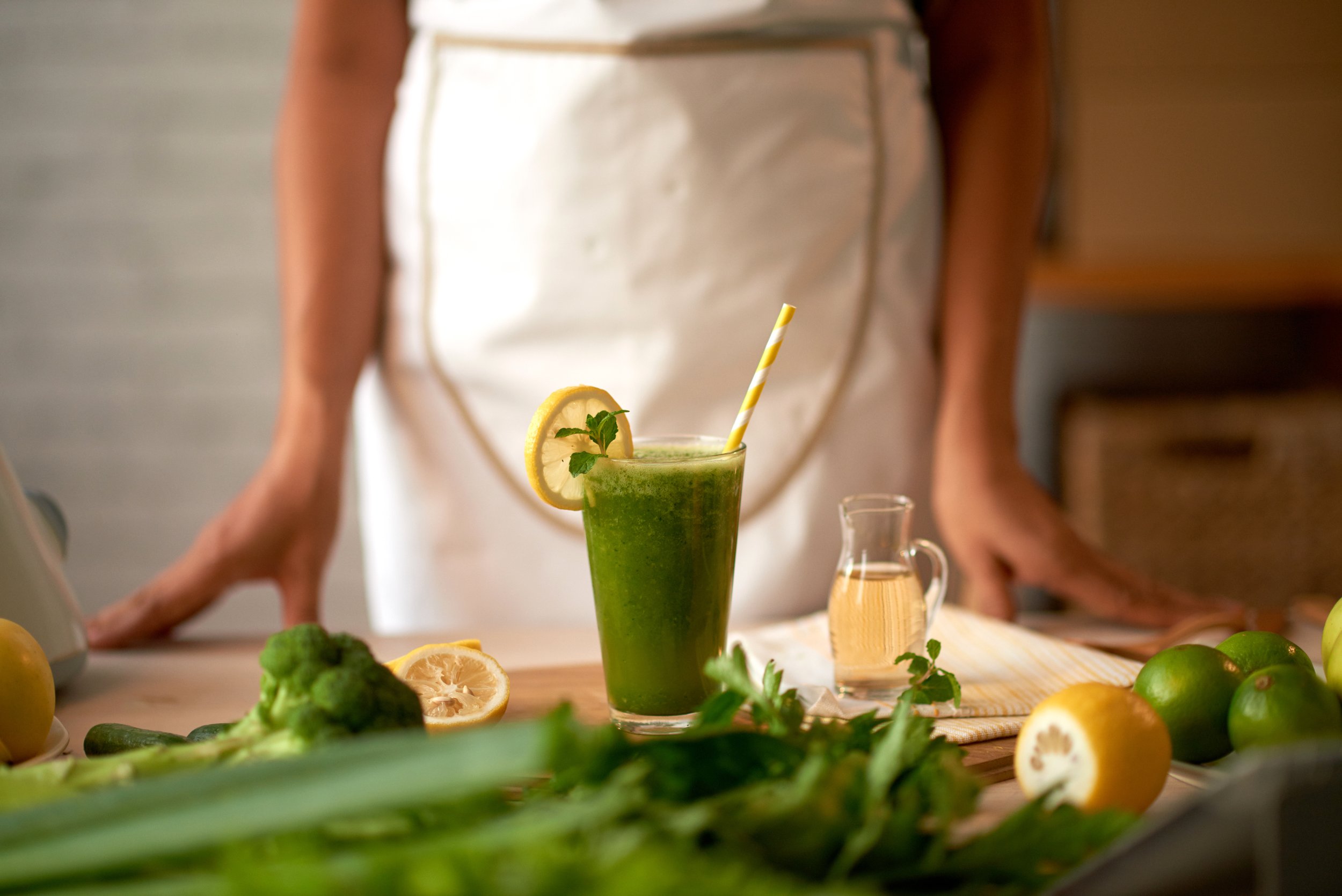
1. Whole Food Shake: These shakes are rich in essential nutrients like vitamins, minerals, and antioxidants, providing vital support while avoiding processed additives commonly found in processed foods.
Fruits and Vegetables: Ingredients like kale, spinach, berries, carrots, and other fruits and vegetables are commonly used to provide vitamins (like vitamin C, vitamin K, etc.) and minerals (such as potassium, magnesium, etc.).
Seeds and Nuts: Flaxseeds, chia seeds, almonds, and other seeds or nuts can contribute healthy fats, essential fatty acids, and minerals like zinc and selenium.
Herbs and Plant-Based Extracts: Ingredients like spirulina, wheatgrass, or green tea extract are often included for their antioxidant properties and potential health benefits.
Whole Grains: Ingredients such as oats or quinoa might be used to provide fiber, B vitamins, and various minerals like manganese and phosphorus.
Plant-Based Protein Sources: Pea protein, brown rice protein, or other plant-based protein sources might be included to offer essential amino acids along with minerals like iron.
2. Medicinal Supplements: The detox kit usually includes supplements targeting specific organs involved in detoxification, such as the liver and kidneys. Ingredients like milk thistle, dandelion root, and turmeric are commonly included to support liver function and aid in toxin elimination.
3. Whole Food Diet Plan: The detox plan emphasizes whole, unprocessed foods like organic fruits, vegetables, lean proteins, healthy fats, and complex carbohydrates. This includes avoiding processed foods, added sugars, caffeine, and alcohol to reduce toxin intake and enhance nutrient intake.
4. Hydration: Adequate hydration is emphasized throughout the detox process to support kidney function and aid in flushing out toxins.
5. Lifestyle Changes: While the primary focus is on dietary changes, the program might encourage light exercise and stress reduction techniques, promoting overall well-being and indirectly impacting the body's detoxification process.

Conclusion:
The goal of the Standard Process Detox is not only to eliminate toxins but also to reset the body's natural processes, supporting overall health and vitality.
Conclusion: The Standard Process Detox merges nutrient-dense shakes, targeted supplements, whole foods, hydration, and lifestyle adjustments, fostering innate detoxification. By delivering vital nutrients, fortifying organs, and reducing toxins, this holistic approach aims to enhance overall health. Detoxification supports natural functions, eliminating toxins, reinforcing organ vitality, improving nutrient intake, and reducing inflammation, contributing significantly to holistic wellness and vitality. This synergy not only aids weight loss but redefines well-being for a revitalized life.
Eastern Acupuncture And Wellness Plantation:
Eastern Acupuncture And Wellness Wilton Manors:

Optimizing Hormonal Balance: Exploring Blood Work and Holistic Approaches
In the pursuit of wellness, understanding and optimizing hormone balance through blood work stands as a crucial aspect. Delving into hormone balance and blood work offers insights into holistic health, where practices like Traditional Chinese Medicine (TCM) and acupuncture play pivotal roles.
Introduction
In the pursuit of wellness, understanding and optimizing hormone balance through blood work stands as a crucial aspect. Delving into hormone balance and blood work offers insights into holistic health, where practices like Traditional Chinese Medicine (TCM) and acupuncture play pivotal roles.

Understanding Hormone Balance Importance
Hormones orchestrate crucial bodily functions, and their balance is key to overall health. Recognizing the significance of hormone balance sheds light on the various symptoms signaling hormonal irregularities.
Understanding Blood Work For Hormaone Imbalance
Blood work serves as a window into our health, providing valuable insights into hormone levels, allowing for early detection of imbalances and proactive measures. When assessing hormonal health through blood work, several key hormones are commonly checked:
- TSH (Thyroid-Stimulating Hormone): This hormone regulates the thyroid gland's function and influences the production of T3 (Triiodothyronine) and T4 (Thyroxine). Abnormal TSH levels may indicate hypothyroidism or hyperthyroidism.
- T3 and T4: These hormones directly affect metabolism, growth, and energy production. Imbalances in these hormones can lead to weight fluctuations, fatigue, and mood changes.
- Estrogen and Progesterone (in Women): These hormones regulate the menstrual cycle, fertility, and pregnancy. Fluctuations or imbalances in estrogen and progesterone levels can cause menstrual irregularities, mood swings, and fertility issues.
- Testosterone (in Men and Women):** Testosterone is primarily known as a male hormone but is also present in women in smaller amounts. Imbalances can affect libido, mood, and muscle mass.
- Stress Hormones - Cortisol: Known as the "stress hormone," cortisol regulates the body's response to stress. Elevated cortisol levels may indicate chronic stress, leading to various health issues like weight gain, sleep disturbances, and mood disorders.
- Blood Sugar-Regulating Hormones - Insulin: This hormone regulates blood sugar levels. Imbalances in insulin levels are associated with conditions like diabetes and metabolic disorders.
- Growth Hormones - IGF-1 (Insulin-like Growth Factor-1): Produced in response to growth hormone, IGF-1 is crucial for growth and development. Imbalances may affect growth, metabolism, and overall health.
- Adrenal Hormones - DHEA-S (Dehydroepiandrosterone Sulfate): Produced by the adrenal glands, DHEA-S contributes to the production of other hormones like estrogen and testosterone. Imbalances may impact energy levels, mood, and libido.
- Pituitary Hormones - Prolactin: Secreted by the pituitary gland, prolactin plays a role in breast milk production. Elevated levels may indicate issues like prolactinoma or hormonal imbalances.
- Parathyroid Hormones - Calcium-Regulating Hormones (PTH - Parathyroid Hormone):PTH regulates calcium levels in the blood. Imbalances can affect bone health and calcium regulation.
Understanding these hormone levels through blood work provides healthcare providers with a comprehensive view of an individual's endocrine health. It allows for the early detection of imbalances, enabling proactive measures such as lifestyle changes, hormone replacement therapy, or other interventions to restore hormonal equilibrium and overall well-being.
Common Signs and Symptoms of Hormonal Irregularities
Symptoms like fatigue, mood swings, weight fluctuations, and irregular menstruation signify hormonal imbalances, prompting individuals to seek solutions.
How Holistic Nutrition Contributes to Optimal Blood Health
Nutrition plays a pivotal role in supporting blood health. Holistic nutrition approaches, including whole foods and targeted supplements, contribute to overall well-being and hormonal balance.

Integration of Alternative Therapies with Blood Work
Alternative therapies like acupuncture, herbal medicine, and holistic healing modalities synergize with blood work, offering comprehensive insights into hormonal imbalances and providing avenues for natural remedies.
Herbs for Hormonal Balance
Herbal remedies within Traditional Chinese Medicine (TCM) offer a treasure trove of natural remedies for hormonal balance. Herbs like Dong Quai, used to support menstrual health and hormonal equilibrium in women. Ginseng, another revered herb, aids in balancing cortisol levels, supporting adrenal health, and mitigating stress-related hormonal imbalances. Scientific studies are increasingly validating the efficacy of these herbs, shedding light on their mechanisms in hormone regulation.
Acupuncture for Hormonal Balance
Acupuncture stimulates specific acupoints to target the endocrine system, influencing hormone secretion and signaling pathways. Studies suggest that acupuncture regulates cortisol, thyroid hormones, and reproductive hormones, offering a non-invasive and holistic approach to hormonal imbalances.
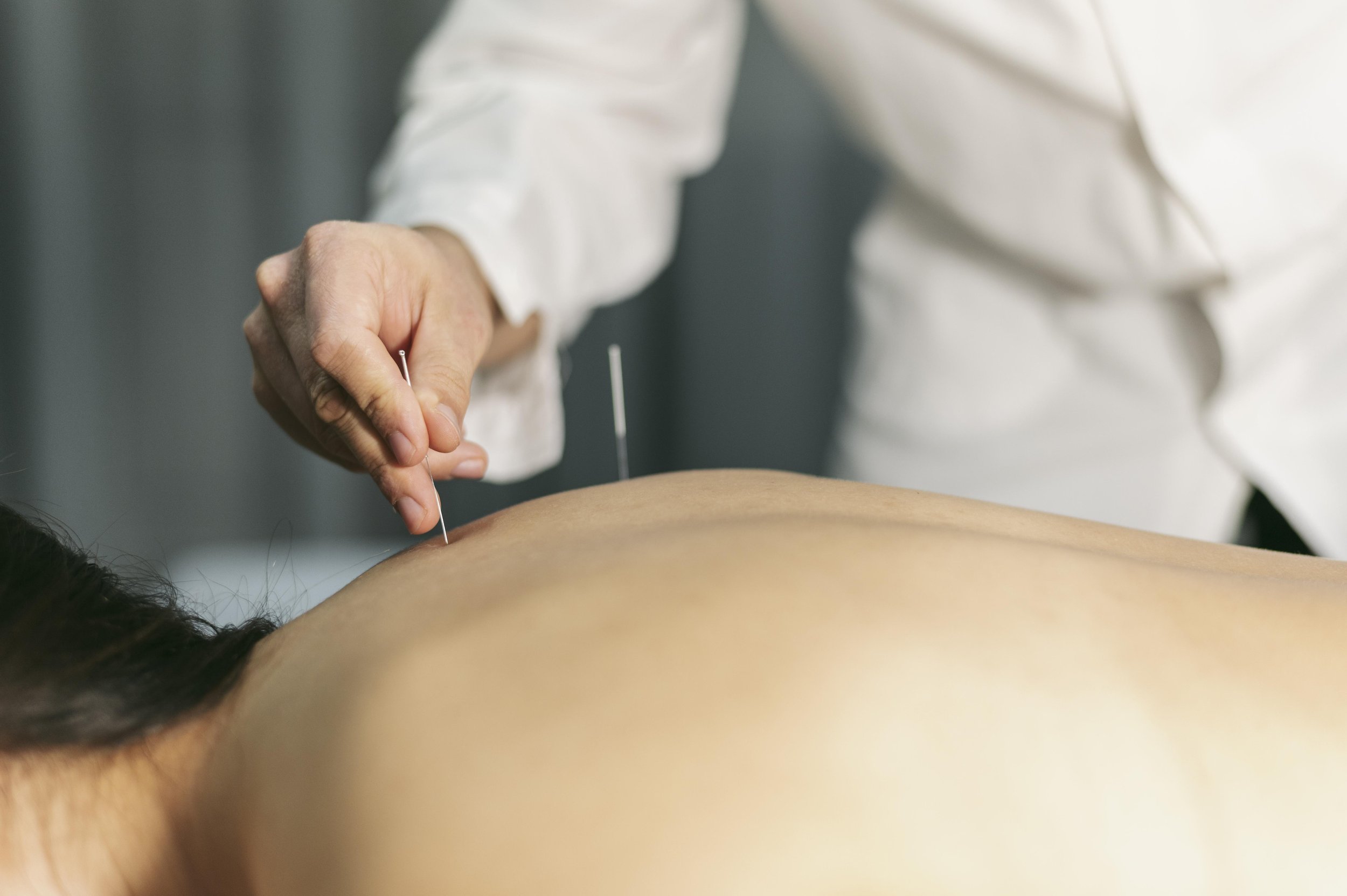
Massage Therapy and Hormonal Balance
Medical massage, distinguished for its targeted therapeutic approach, holds promise in contributing to hormone regulation. Unlike generalized relaxation techniques, medical massage employs specific methods tailored to address musculoskeletal issues, potentially aiding in the reduction of stress-induced hormonal imbalances. Moreover, by enhancing localized blood circulation and targeting precise areas of concern, medical massage could facilitate the optimized transportation and efficacy of hormones within the body.

Conclusion
The integration of herbs, acupuncture, and massage offers a holistic approach to hormonal balance, merging ancient wisdom with modern science. These therapies, when combined, showcase potential in restoring hormonal harmony, as ongoing research continues to validate their pivotal role in fostering overall well-being. Understanding hormone balance and utilizing blood work as a guide enables a personalized journey towards comprehensive care, blending traditional and modern practices for optimal health and vitality.
Eastern Acupuncture And Wellness Plantation:
Eastern Acupuncture And Wellness Wilton Manors:

Alternative Approaches for Pregnancy
For individuals and couples seeking to start a family, the journey to parenthood can take many different paths. In this blog, we will explore alternative pregnancy options, including non-traditional routes such as IVF (In Vitro Fertilization), ART (Assisted Reproductive Technologies), third-party reproduction, holistic fertility approaches, and the science behind acupuncture.

Introduction
For individuals and couples seeking to start a family, the journey to parenthood can take many different paths. In this blog, we will explore alternative pregnancy options, including non-traditional routes such as IVF (In Vitro Fertilization), ART (Assisted Reproductive Technologies), third-party reproduction, holistic fertility approaches, and the science behind acupuncture. Additionally, we will delve into the role of Traditional Chinese Medicine (TCM) nutrition, including congee, black rice, and herbal soups, in supporting pregnancy. This comprehensive guide will empower you to make informed decisions about your unique path to parenthood.
Understanding Pregnancy Alternatives
Pregnancy alternatives encompass a range of non-conventional methods for achieving pregnancy. These options are chosen for various reasons, including fertility challenges, personal preferences, or medical conditions that may affect traditional conception.
What is IVF?
IVF, or In Vitro Fertilization, is a widely known assisted reproductive technology. It involves the retrieval of eggs and sperm, which are then combined in a laboratory dish. Once fertilization occurs, the resulting embryos are transferred into the uterus. IVF offers hope to individuals and couples facing infertility challenges.
Assisted Reproductive Technologies (ART)
ART encompasses various medical procedures that assist with conception. These may include intrauterine insemination (IUI), intracytoplasmic sperm injection (ICSI), and egg freezing. ART treatments are tailored to individual needs and can be effective in overcoming fertility issues.
Third-Party Reproduction
Third-party reproduction involves the use of donor eggs, sperm, or gestational carriers (surrogates) to achieve pregnancy. This option allows individuals or couples to experience parenthood when traditional methods are not viable. Legal and ethical considerations are essential when pursuing third-party reproduction.

Natural and Holistic Fertility Approaches
While medical interventions like IVF and ART offer effective solutions, some individuals and couples explore natural and holistic fertility approaches as alternatives. These methods focus on enhancing fertility through non-invasive and holistic means.
The Science Behind Acupuncture in Fertility
Acupuncture is a holistic approach that has gained popularity in the realm of fertility. This ancient practice involves the insertion of thin needles into specific points on the body to balance the flow of energy, known as Qi. The science behind acupuncture's role in fertility is increasingly supported by research:
1. Stress Reduction: High stress levels can affect fertility by disrupting hormonal balance and ovulation. Acupuncture has been shown to reduce stress hormones like cortisol and promote the release of endorphins, which are natural stress-relievers.
2. Hormonal Regulation: Acupuncture may help regulate hormones related to the menstrual cycle, such as follicle-stimulating hormone (FSH) and luteinizing hormone (LH). This regulation can improve the timing of ovulation and increase the chances of conception.
3. Improved Blood Flow: Acupuncture can enhance blood flow to the reproductive organs, including the ovaries and uterus. Improved circulation can optimize the environment for egg maturation and implantation.
4. Immune System Support: Acupuncture can modulate the immune response, reducing the risk of the body rejecting an embryo during implantation.
5. Enhancing IVF Success: Many individuals undergoing IVF treatments choose to complement their procedures with acupuncture. Studies have suggested that acupuncture before and after embryo transfer may improve the success rates of IVF.

Traditional Chinese Medicine Nutrition for Pregnancy
Traditional Chinese Medicine places a strong emphasis on nutrition as a means of supporting pregnancy and overall health. Here are some TCM dietary considerations for pregnancy:
Congee: Congee, a rice porridge, is a staple in TCM nutrition. It is easily digestible and provides nourishment during pregnancy. Congee can be customized with various ingredients, such as lean meats, vegetables, and herbs, to support different aspects of pregnancy.
Black Rice: Black rice, also known as forbidden rice, is considered a "superfood" in TCM. It is rich in antioxidants, vitamins, and minerals, making it an excellent choice for pregnant individuals. Black rice can be prepared as a side dish or incorporated into meals.
Herbal Soups: TCM herbal soups are prepared with a combination of herbs and ingredients that target specific aspects of health. During pregnancy, herbal soups can be formulated to support maternal and fetal well-being. Common ingredients may include goji berries, red dates, and Chinese yam.
Balancing Yin and Yang: TCM emphasizes the balance of Yin and Yang energies within the body. During pregnancy, it is essential to maintain this balance through a diet that supports both aspects. Cooling foods (Yin) like cucumbers and watermelon can complement warming foods (Yang) like ginger and chicken.
Informed Decision-Making
Making informed decisions about alternative pregnancy options and TCM nutrition is crucial. It involves understanding the available choices, assessing individual circumstances, and considering personal beliefs and preferences. Here are some aspects to consider:
Mind-Body Practices
In addition to acupuncture, mind-body practices such as yoga, meditation, and mindfulness can help reduce stress and promote relaxation during the journey to parenthood.
Alternative Pregnancy and Prenatal Care
Alternative approaches to pregnancy and prenatal care include options like midwifery care, birthing centers, and home births. These choices prioritize a more natural and patient-centered approach to childbirth.
Professional Guidance
Seeking guidance from healthcare professionals who specialize in alternative pregnancy options, acupuncture, and TCM nutrition is essential. Consultation with fertility specialists, midwives, naturopaths, and holistic practitioners can provide valuable insights and personalized recommendations.

Conclusion
The journey to parenthood is deeply personal, and there is no one-size-fits-all approach. Alternative pregnancy options, including IVF, ART, third-party reproduction, holistic fertility approaches, and the integration of TCM nutrition, offer a range of choices for individuals and couples to explore. By understanding these options and the science behind acupuncture and TCM nutrition, you can embark on a path to parenthood that aligns with your unique circumstances and desires. Whether you choose medical interventions or holistic methods, the ultimate goal is to welcome a new life into your family with love and joy, with a strong foundation of health and well-being.
Eastern Acupuncture And Wellness Plantation:
Eastern Acupuncture And Wellness Wilton Manors:

Optimal Kidney Function for Men's Health
Men's health is a complex interplay of various factors, including hormonal balance, kidney function, prostate health, and overall well-being. In this comprehensive guide, we will delve deep into the importance of kidney function in men's health and explore how holistic treatments, specifically acupuncture and Traditional Chinese Medicine (TCM), can play a pivotal role in addressing these multifaceted concerns.

Introduction
Men's health is a complex interplay of various factors, including hormonal balance, kidney function, prostate health, and overall well-being. In this comprehensive guide, we will delve deep into the importance of kidney function in men's health and explore how holistic treatments, specifically acupuncture and Traditional Chinese Medicine (TCM), can play a pivotal role in addressing these multifaceted concerns.
Understanding the Importance of Kidney Function
The kidneys, often described as the body's natural filtration system, perform a wide range of functions critical to our well-being. They filter waste products from the blood, regulate blood pressure, maintain electrolyte balance, and produce hormones essential for red blood cell production and bone health. For men, optimal kidney function is particularly crucial as it influences various aspects of their health, including hormonal balance.
Common Kidney Health Risks for Men
Numerous factors can affect kidney health in men, leading to potential complications. These factors include:
1. High Blood Pressure: Uncontrolled hypertension can damage the kidneys over time, leading to chronic kidney disease.
2. Diabetes: Poorly managed diabetes can result in kidney damage, a condition known as diabetic nephropathy.
3. Smoking: Smoking increases the risk of kidney disease by damaging blood vessels and reducing blood flow to the kidneys.
4. Obesity: Excess weight can strain the kidneys and increase the risk of kidney disease.
5. Dehydration: Inadequate fluid intake can impair kidney function, affecting their ability to filter waste efficiently.

Symptoms and Early Detection
Detecting kidney problems early is paramount for effective management. Symptoms of kidney issues may include fatigue, swelling in the ankles and legs, changes in urination patterns, and high blood pressure. Regular check-ups and blood tests can help diagnose kidney problems in their early stages, allowing for prompt intervention.
Nutrition and Kidney Health
A well-balanced diet plays a significant role in maintaining kidney health. Limiting sodium, potassium, and phosphorus intake is essential for individuals with kidney disease. Consulting with a registered dietitian can help create a personalized diet plan tailored to support kidney health.
The Holistic Approach to Kidney Health
Holistic treatments, such as acupuncture and TCM, offer a comprehensive approach to kidney health. They consider not only the physical aspects but also the energetic and emotional components of well-being.
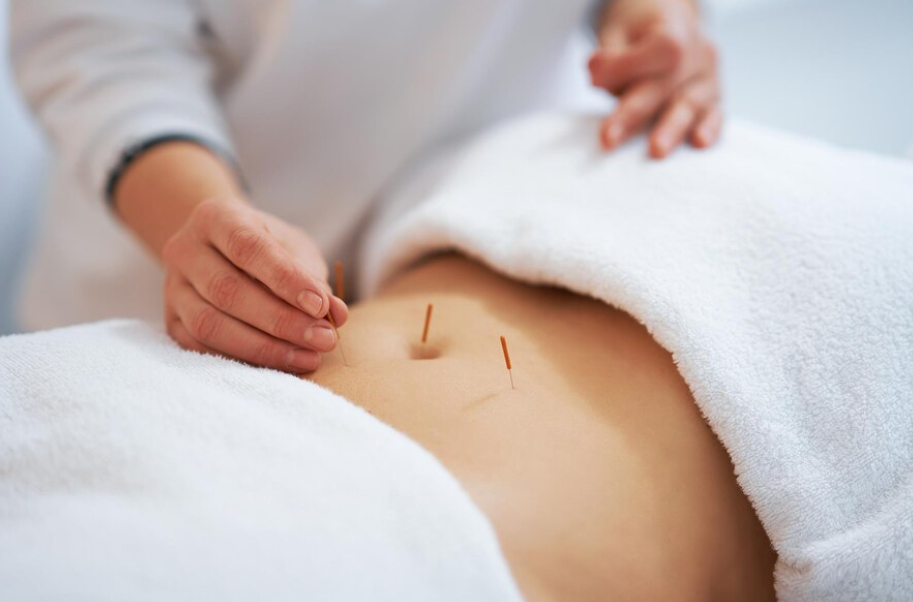
Acupuncture and Its Impact on Kidney Health
Acupuncture, a central component of TCM, involves the insertion of thin needles into specific points on the body. It influences the body's energy flow, known as Qi, and the balance of Yin and Yang. Here's how acupuncture can address factors affecting kidney health:
1. Blood Pressure Regulation: Acupuncture has been shown to help regulate blood pressure, reducing the risk of kidney damage caused by hypertension.
2. Diabetes Management: Acupuncture may help improve insulin sensitivity and glucose control, aiding in the management of diabetes-related kidney complications
3. Smoking Cessation: Acupuncture can be used as part of a smoking cessation program, reducing the risk of kidney damage associated with smoking.
4. Weight Management: Acupuncture can support weight loss efforts by reducing cravings and promoting a sense of fullness, which can help alleviate the strain on the kidneys caused by obesity.
5. Stress Reduction: Chronic stress can contribute to kidney problems. Acupuncture can promote relaxation, reduce stress levels, and support overall emotional well-being.
By targeting specific acupuncture points related to kidney health and addressing these factors, acupuncture can contribute significantly to the optimal functioning of the kidneys.
Seeking Holistic Care and Integrative Medicine
Integrative medicine combines Western diagnosis with holistic approaches like TCM. This approach focuses on individualized care, taking into account a person's unique constitution and addressing kidney health, hormonal balance, and associated symptoms.
Herbal Remedies and Holistic Recipes
TCM herbal remedies, guided by individual pattern differentiation, can complement acupuncture treatments and further support kidney health. Herbs like ginseng and licorice address yin-yang imbalances, potentially improving energy levels and reducing stress.
Traditional Holistic Therapies
In addition to acupuncture, other holistic therapies such as cupping, gua sha, and dietary recommendations based on TCM pattern differentiation can contribute to optimal kidney function and overall well-being.
Professional Guidance and Collaboration
Collaboration between Western healthcare providers and holistic practitioners can provide a well-rounded approach to men's kidney health. This partnership ensures that all aspects of a patient's health are considered and addressed comprehensively.

Conclusion
Optimal kidney function is essential for men's health, impacting various aspects of well-being, including hormonal balance. Embracing holistic approaches like acupuncture and TCM, in conjunction with Western medicine, can provide comprehensive solutions for kidney health, hormonal balance, and overall vitality.
By addressing kidney health holistically, men can optimize their well-being and lead healthier lives, with acupuncture playing a pivotal role in controlling and managing factors that affect the kidneys. This integrative approach combines the best of both worlds, offering a deeper understanding and more effective management of men's health concerns.
Eastern Acupuncture And Wellness Plantation:
Eastern Acupuncture And Wellness Wilton Manors:

How to Maintain Mental Health During the Holidays
Taking care of one’s mental health looks different for everyone. Some deal with depression and anxiety that manifest in different ways. Although the holidays are an exciting time of the year, they also bring with it higher levels of stress. Stress and the management of it plays a major role in being able to maintain mental health, always.

Key Takeaways:
1. Mental health & mental illness are not the same
2. Maintaining mental health looks different for everyone
3. Awareness, communication, and grace for yourself go a long way
4. The key to a healthy mind is a healthy gut
5. All the tools a person needs are already in their box
Taking Care of Your Mind: Mental Health vs. Mental Illness
Taking care of one’s mental health looks different for everyone. Some deal with depression and anxiety that manifest in different ways. Although the holidays are an exciting time of the year, they also bring with it higher levels of stress. Stress and the management of it plays a major role in being able to maintain mental health, always. In a survey a whopping 64% of people said that the holidays make their conditions worse. It’s important to note that mental health and mental illness are two different things. A mental illness is something that is diagnosed by a licensed healthcare provider whereas a part of mental health is emotional well-being along with cognitive and behavioral well-being as well.

Maintaining Your Mental Health During Stressful Times
Being able to maintain a good balance at the holidays starts before they even arrive. One of the best ways to do this is awareness of the triggers. This aids in being equipped to pull out the necessary tools to healthily get through any situation. Some triggers at the holidays can include seeing relatives, being asked personal questions, visiting your hometown, introducing someone new to the family, every situation is unique. Some tools can include:
Prioritize what you need:
Doing what makes you feel good and feeds your soul is most important this time of year. It makes it extremely hard to be what other people need you to be if your cup is only half full. Make the time to do the things that make you feel most like you. This can be a manual therapy session, seeing your acupuncture physician, taking a bubble bath, or just relaxing without any interruptions.
Don’t spread yourself too things:
During the holidays it’s easy to pack your schedule with things one after the other. When booking too many things it makes it a little more difficult to truly be in the moment when you fear being late for the next commitment. Saying no for the sake of your mental health is not only ok but brave. Solidifying your plan early on and communicating it to loved ones can give you the control that you need to feel fulfilled and happy with your days.
Go in with no expectations:
It’s common to see movies and commercials with all kinds of happiness over the holidays. The truth is that's not always the case. Go into your holiday festivities with as little expectations as possible. This will help to avoid any feelings of disappointment, or I told you so moments.
Boundaries:
Every family has a different dynamic. They are complex, unique, and no two are the same. Setting boundaries, as uncomfortable as that can potentially be, can put you at ease. This can include boundaries for yourself or for others. Examples are not sitting next to a certain person at the dinner table or excusing yourself when a specific topic comes about.
Eat well:
Food is medicine. Medicine for the mind, body, and soul. By nourishing yourself, not overeating, and choosing the things that make your insides happy it can minimize a mental health flare up. The key to a healthy mind is a healthy gut.
Affirmations & gratitude list:
Affirmations are positive statements to yourself that can help you get over even the most negative of thoughts or situations. Being kind to yourself and acknowledging one’s radiance can completely turn around a scenario. Gratitude lists can be something that’s done before an event or gathering to remind yourself what you're grateful for. This will leave you walking into the next space lighter and with more confidence.
Buddy system:
This can be one of the most effective ways of getting through uncomfortable situations or gatherings. Having someone there with you that’s on the same page can make you feel complete. There’s nothing like looking across the room and exchanging a knowing smile with someone that gets it. Grab a friend, partner, or family member to share your thoughts or concerns with. You can help each other throughout the course of the holiday season in getting through triggers
.
Get Movement to Aid Your Mental Health
The things above are all incredible tools to maintain mental health, not only through the holidays, but all year round. The best possible tool is exercise. By keeping your outside self-moving your insides can do their jobs more effectively. In Chinese Medicine it’s said that our heart houses our mind. To break this statement down – when we exercise it moves our blood and energy. Our minds need blood to think and relay what we need to do on the outside to the rest of our body on the inside. Our heart is what pumps the blood therefore the heart houses the mind. The healthier our cardiovascular health is, the healthier our minds are. Getting in 30 minutes of light exercise a day can make all the difference in one’s mental health journey.
How Eastern Acupuncture & Wellness Can Help
Acupuncture and Chinese medicine have proven to make a big difference in the lives of those that suffer with mental health issues. Our practitioners are highly experienced in working with people that suffer from anxiety, depression, PTSD, mania, and beyond. By keeping up with regular appointments during the holiday season it can keep your body balanced and in homeostasis to alleviate the risk of a flare up due to outside triggers. A great tool utilized here at Eacuwell is the use of ear seeds. It’s like taking a treatment home with you which is exactly what the holidays are asking for. Give us a call to make an appointment and ask our practitioners for some tips and tricks that have been tried and proven in maintaining one’s mental health.

Eastern Acupuncture And Wellness Plantation:
Eastern Acupuncture And Wellness Wilton Manors:

Examining Acupuncture and Herbal Medicine as Means to Provide Grief Support
Grief can be an intensely personal, emotionally draining experience that manifests both physical and psychological symptoms in different forms. While no single method for recovering from grief exists, alternative therapies like acupuncture and Chinese herbal medicine offer support during the grieving process.

Grief can be an intensely personal, emotionally draining experience that manifests both physical and psychological symptoms in different forms. While no single method for recovering from grief exists, alternative therapies like acupuncture and Chinese herbal medicine offer support during the grieving process.
We will examine in this blog post whether using specific acupuncture points and herbs might assist with managing grief more successfully.
Acupuncture for Grief: What You Should Know :
Acupuncture may provide relief to emotional discomfort associated with grief in various forms:

Stress Reduction and Emotional Balance:
Acupuncture can stimulate endorphin production, the natural painkillers that boost moods. By targeting specific points during the grieving process, acupuncture therapy could provide additional support and reduce stress significantly while providing emotional balance during this trying time. Some key points could include:
Yin Tang (Yin Tang ):
Positioned between one's eyebrows, this point can help calm one's mind and promote emotional balance. Heart 7 (Shen Men ): When placed on one's wrists, Heart 7 may help relieve anxiety while encouraging relaxation.
Physical Symptom Relief:
Grief can manifest physically as headaches, digestive issues and insomnia; Acupuncture provides physical comfort by targeting specific points to provide comfort in these affected areas. Two key points which provide physical comfort during grieving are as follows.
Pericardium 6 (Nei Guan):
Situated on the inner forearm, this point can help relieve nausea, anxiety and insomnia associated with grief. Stomach 36 (Zu San Li): Widely recognized for boosting energy levels while alleviating digestive problems and relieving fatigue, this point lies at lower leg level and may offer significant relief from those feelings of fatigue and exhaustion.
Herbal Medicine for Grief:

Herbal medicine employs specific plant medicinals with distinct properties to aid overall wellbeing and ease symptoms associated with grief. Here are a few suggested herbs along with their Chinese names:
Adaptogens:
Adaptogenic herbs have long been recognized for their ability to assist the body's adaptation and build emotional resilience during grief, like Ashwagandha which may aid the body by aiding with stress adaptation while simultaneously improving resilience during bereavement.
Ginseng has long been used to enhance energy, stamina, and mental clarity during times of grief or distress.
Nervine Herbs:
Nervine herbs such as lavender or valerian have long been employed to soothe nerves and promote sleep during these trying times.
Chamomile Flower or Manzanilla may help relax nervous systems and ease tension, while Passionflower could offer support during grief by relieving anxiety and encouraging better restfulness during its symptoms.
Mood Enhancing Herbs:
Herbal remedies have long been utilized as natural ways of elevating mood and soothing any mild depressive symptoms associated with grief. Two such plants which help improve our wellbeing:
St John's Wort has long been used as an effective natural way of elevating mood and relieving mild depressive symptoms while providing pain relief through inflammation reduction and reduced swelling.
Lavender has long been revered for its soothing properties during times of grief-inducing processes, helping ease discomfort while lifting mood and well-being. It may provide much-needed comfort during this difficult period.
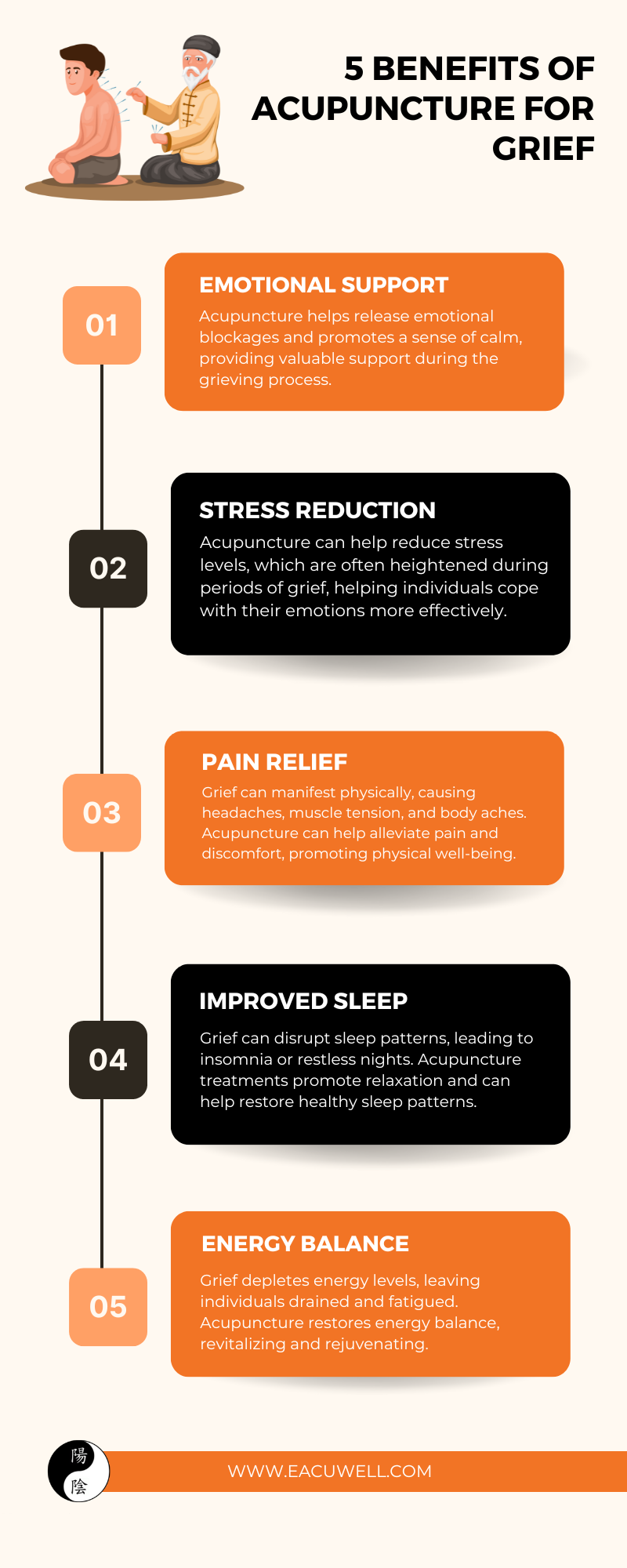
Conclusion:
Acupuncture and Herbal medicine offer invaluable support for those dealing with grief. Acupuncture has long been used as an effective way of relieving stress levels, cultivating emotional equilibrium and treating physical symptoms; its recommended points such as Yin Tang, Heart 7, Pericardium 6 and Stomach 36 can all prove invaluable during a grieving process. Chinese herbs such as Ashwagandha, Ginseng, Chamomile Flower Passionflower as well as St John's Wort and Lavender have long been utilized to alleviate symptoms associated with grief-induced trauma.
By combining these alternative therapies with comprehensive grief support, individuals may find a more holistic approach to healing and navigating the challenging journey of grief.
Eastern Acupuncture And Wellness Plantation:
Eastern Acupuncture And Wellness Wilton Manors:

Veteran Well-being: Unveiling Holistic Solutions for Stress and PTSD
Stress and Post-Traumatic Stress Disorder (PTSD) are pervasive issues among veterans, often stemming from the harrowing experiences encountered during military service. The effects of these conditions can be long-lasting and deeply distressing, affecting both physical and mental well-being.
Understanding the Impact of Stress and PTSD in Veterans
Stress and Post-Traumatic Stress Disorder (PTSD) are pervasive issues among veterans, often stemming from the harrowing experiences encountered during military service. The effects of these conditions can be long-lasting and deeply distressing, affecting both physical and mental well-being. This blog explores the potential of holistic approaches like acupuncture, micronutrient therapy, and the underlying principles of biomedicine to alleviate stress and support veterans dealing with PTSD.

What is Stress?
Stress is a natural response to challenging situations, and while it can be a motivating force, excessive or prolonged stress can have detrimental effects on an individual's health. In veterans, the stressors faced during combat, deployments, and the challenges of transitioning to civilian life can lead to chronic stress, exacerbating mental health issues.
What is PTSD?
Post-Traumatic Stress Disorder, commonly referred to as PTSD, is a mental health condition that can develop after exposure to a traumatic event. Veterans often experience PTSD due to their exposure to war-related stressors. Symptoms of PTSD may include flashbacks, nightmares, severe anxiety, and emotional numbness, making it essential to address this condition effectively.
The Stigma Surrounding Mental Health in the Military
In the military, the stigma surrounding mental health can be a significant barrier to seeking help. Many veterans may hesitate to open up about their struggles due to fear of repercussions or judgment. This stigma can prevent timely intervention and support.
Recognizing the Signs and Symptoms
It's crucial to recognize the signs and symptoms of stress and PTSD in veterans. Common indicators include:
- Frequent nightmares or flashbacks
- Increased irritability or anger
- Social withdrawal and isolation
- Difficulty concentrating or sleeping
- Heightened anxiety and depression
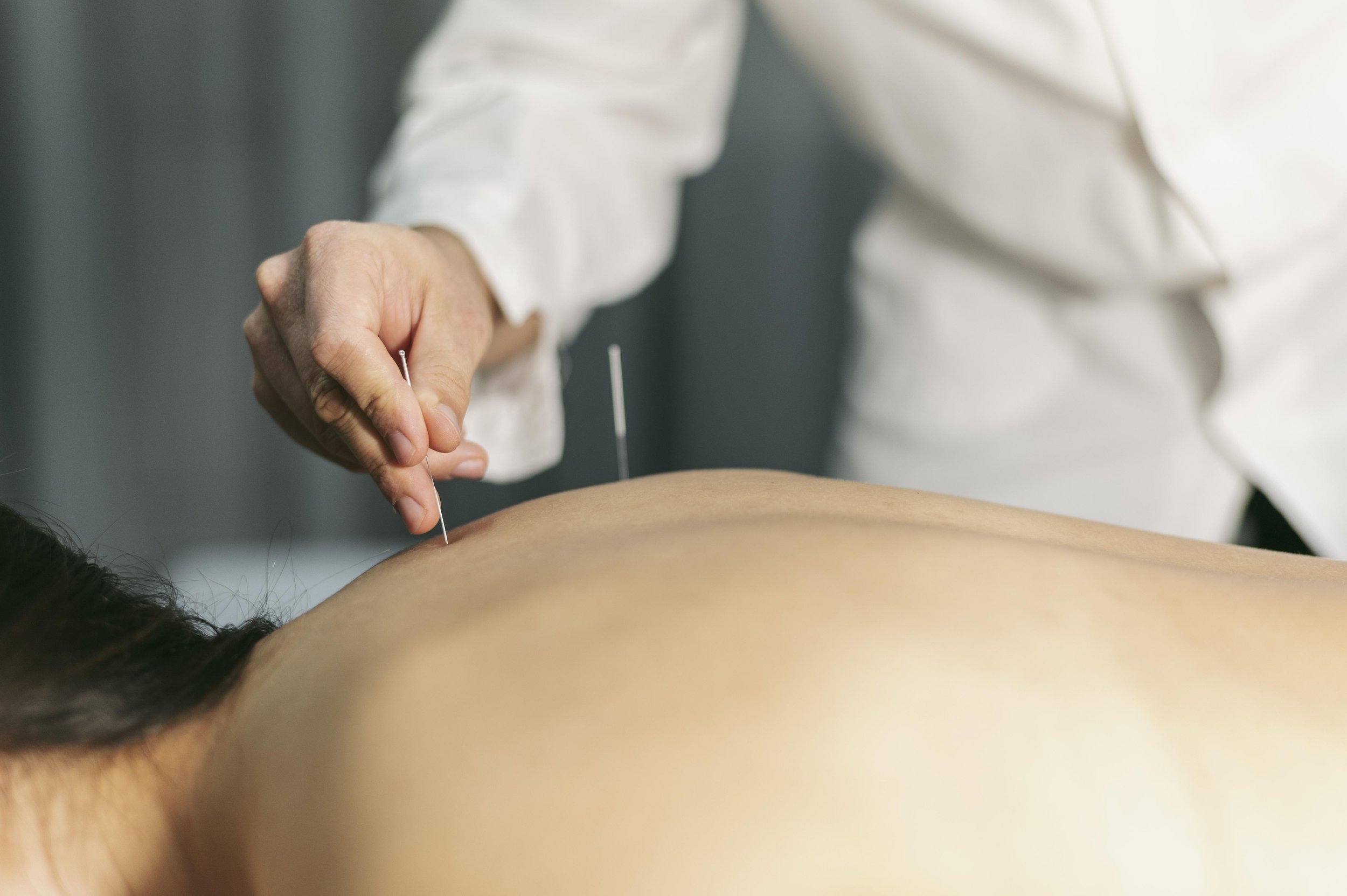
Empowering Veterans Through Holistic Healing
Holistic approaches to stress and PTSD management can empower veterans on their journey to recovery. Acupuncture, in particular, has shown promise in alleviating stress and anxiety, promoting relaxation, and improving sleep quality. This ancient Chinese practice involves the insertion of thin needles into specific points on the body to stimulate natural healing processes.
Benefits of TCM for Stress & PTSD
Traditional Chinese Medicine, which includes acupuncture, herbal treatments, and dietary therapy, offers holistic solutions for veterans dealing with stress and PTSD. TCM aims to balance the body's energy, or Qi, and restore harmony. Acupuncture sessions, when combined with Chinese herbal remedies, can provide relief from stress-related symptoms and support mental well-being.

Biomedicine Insights into Acupuncture
From a biomedical perspective, acupuncture is believed to stimulate the release of endorphins, which are natural painkillers produced by the body. Additionally, acupuncture may influence the autonomic nervous system, helping to regulate stress responses. Scientific studies have shown that acupuncture can modulate the release of neurotransmitters and promote a sense of relaxation.
Veteran Mental Health Awareness

Raising awareness about veteran mental health is crucial for removing the stigma associated with seeking help. It's essential to create an environment where veterans feel safe and supported in addressing their mental health concerns.
TCM Advantages for Stress and PTSD
Traditional Chinese Medicine offers several advantages for managing stress and PTSD in veterans:
1. Holistic Approach: TCM addresses the root causes of stress and PTSD, focusing on restoring balance in the body and mind.
2. Minimal Side Effects: Unlike some pharmaceutical treatments, TCM therapies typically have minimal side effects.
3. Personalized Treatment: TCM practitioners tailor treatments to the individual, considering their unique symptoms and constitution.
Professional Guidance and Collaboration
When exploring holistic approaches like acupuncture and TCM, it's essential to seek professional guidance. Experienced practitioners, like those at Eastern Acupuncture and Wellness, can provide personalized treatment plans and collaborate with veterans' existing healthcare providers for comprehensive care.
Conclusion
Stress and PTSD are significant challenges faced by veterans, and addressing these issues is of paramount importance for their well-being. Holistic approaches, such as acupuncture and Traditional Chinese Medicine, offer promising avenues for dissipating stress and supporting veterans on their journey to recovery. By raising awareness, reducing stigma, and seeking professional guidance, veterans can find effective ways to manage these conditions and improve their mental health and overall quality of life.
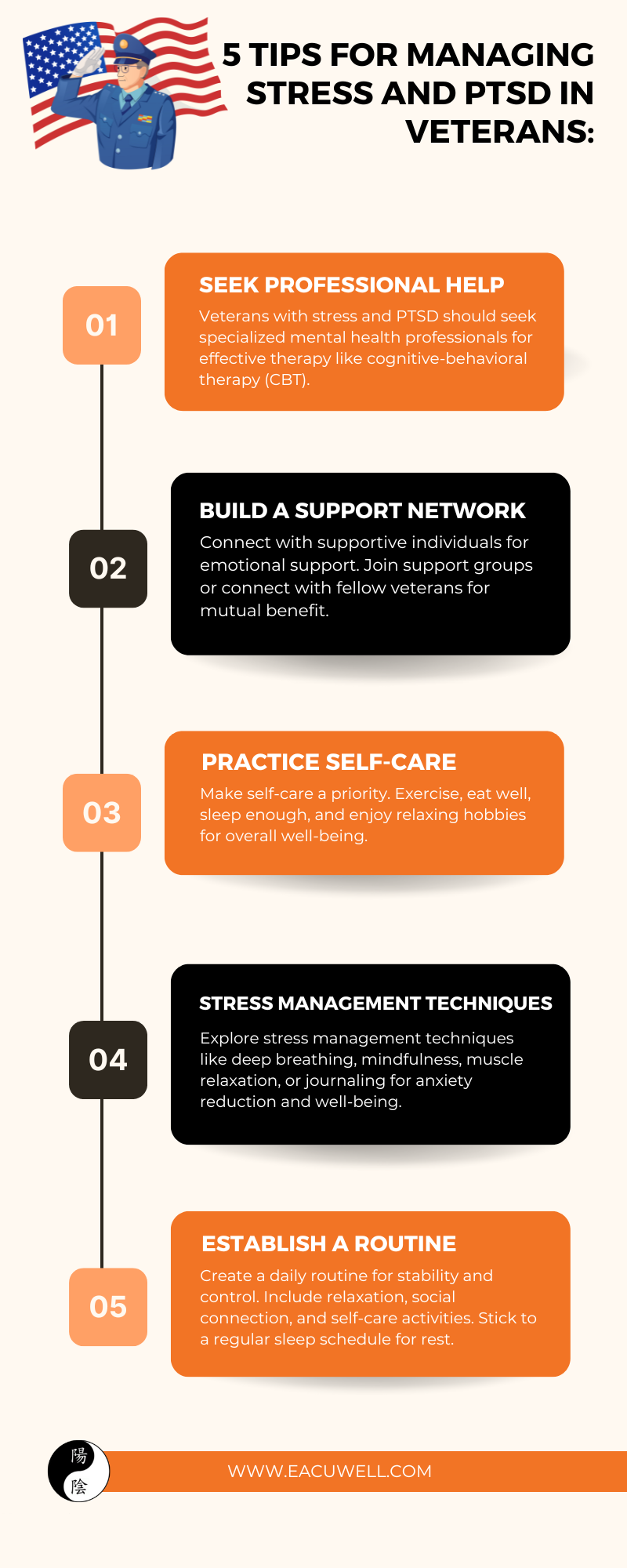
At Eastern Acupuncture and Wellness, we understand the importance of accessible healthcare options for veterans. That's why we're proud to announce that we accept VA insurance. We believe that veterans should have easy access to holistic treatments like acupuncture to support their well-being.
If you're a veteran looking to explore acupuncture as part of your stress and PTSD management strategy, we encourage you to inquire at your local VA facility. They can provide you with the necessary authorization for acupuncture sessions at Eastern Acupuncture and Wellness. We're committed to making the process as straightforward as possible so that you can focus on your journey to recovery.
Your mental health and overall well-being are our top priorities, and we're here to support you every step of the way. Don't hesitate to reach out and take advantage of the resources available to you as a veteran. Together, we can work towards a healthier, more balanced life.
- To learn more about Traditional Chinese Medicine, visit our page Traditional Chinese Medicine
- Ready to take the first step towards holistic healing? Book a complimentary consultation today
Eastern Acupuncture And Wellness Plantation:
Eastern Acupuncture And Wellness Wilton Manors:

How Nutrition Can Aid in Type 2 Diabetes
With a team of highly trained Acupuncture physicians and an in-house dietitian Eacuwell is equipped with the tools to help you overcome even the scariest of diagnoses. Type 2 diabetes is completely manageable when keeping nutrition at the forefront of healing.

What You’ll Find
1. What type 2 diabetes is
2. How to nutritionally manage a type 2 diabetes diagnosis
3. Mock Grocery List
4. Sample Nutrition Plan
5. How we can help
What Is Type 2 Diabetes?
Type 2 diabetes is the most common form of diabetes that affects over 34 million Americans and the number is continuing to grow every day. It is an insulin resistant disease which means that people's bodies make insulin, but their cells aren’t properly using it. As a result of this their body, specifically the pancreas, tries to make up for what the cells aren’t getting and continues making glucose. This creates an excess and a type 2 diabetes diagnosis. Some causes of this can be and are not limited to a genetic predisposition, excess weight, bad communication between the cells, metabolic syndrome, and the combination of an improper diet and lack of exercise. To diagnose one of three tests are given:
1. A1c – The average of your blood glucose level over a period
2. Fasting plasma glucose – Measures your blood on an empty stomach
3. Oral glucose tolerance test – Tests your glucose levels before you eat something sweet and 2 hours after
Weight Goals & Objectives for Pre- & Diabetic People
Losing weight and changing one’s relationship with food is key to managing type 2 diabetes diagnosis and overall longevity. The goal is to bring one’s sugars back to pre-diabetic levels by minimizing the intake of sugars and carbohydrates. This is done not by extreme dieting and cutting out the things you love but by recreating them into a better version of it. All the substituting in the world is nothing without portion control and learning to read labels. Unfortunately, things that seem “healthy” aren’t always the case. Start slowly by checking the grams of sugar and carbohydrates on the back of the labels. Anything with a serving size that includes over 12-19 g of sugar or carbs should be avoided. Eating what’s in season can drastically help reduce inflammation and aid in digestion. A happy gut is important for overall health.

Fall Grocery List For Type 2 Diabetes
Tomato
Avocado
Peppers (red, yellow, orange)
Butternut squash
Zucchini
Pumpkin
Beets
Broccoli
Brussel Sprouts
Carrots
Spinach
Apples
Cranberries
Cauliflower
Strawberries
Tuna Fish in water
Blueberries
Garlic
Herbs
Cabbage
Apricots
Black berries
Lemon
Sweet potato
Chicken
Beef
Pork
Salmon
White Fish
Ground turkey
Shellfish
Steel-cut oats
Eggs
Oils (EVOO, avocado, coconut, sesame oil)
Whole fat Greek yogurt
Turkey Bacon
Local organic honey
Food Substitutions for Diabetics
Being open to substitutions is important on this journey. Some examples of substitutions can be as followed:

What Should I Eat for Type 2 Diabetes?
To produce the results, it’s important to avoid all white products such as breads, rice, and potatoes. Processed foods should also be avoided. This included chips, most cereals, any premade or microwavable meals, cold cuts, and lunch meats. More things to avoid include ice cream, dried fruits, flavored nuts, flavored creamers and coffees, and granola bars. Though there’s things that you need to avoid, there’s plenty of things to enjoy as well. These include:
Nuts and seeds
Fresh or frozen fruit blended or whole
Baked veggie fries or chips
Nut butters
100% dark chocolate
1 tbsp of local organic honey per day
Healthy fats such as EVOO, avocados, coconut oil
Black coffee
Green tea
Meal Plan Example:
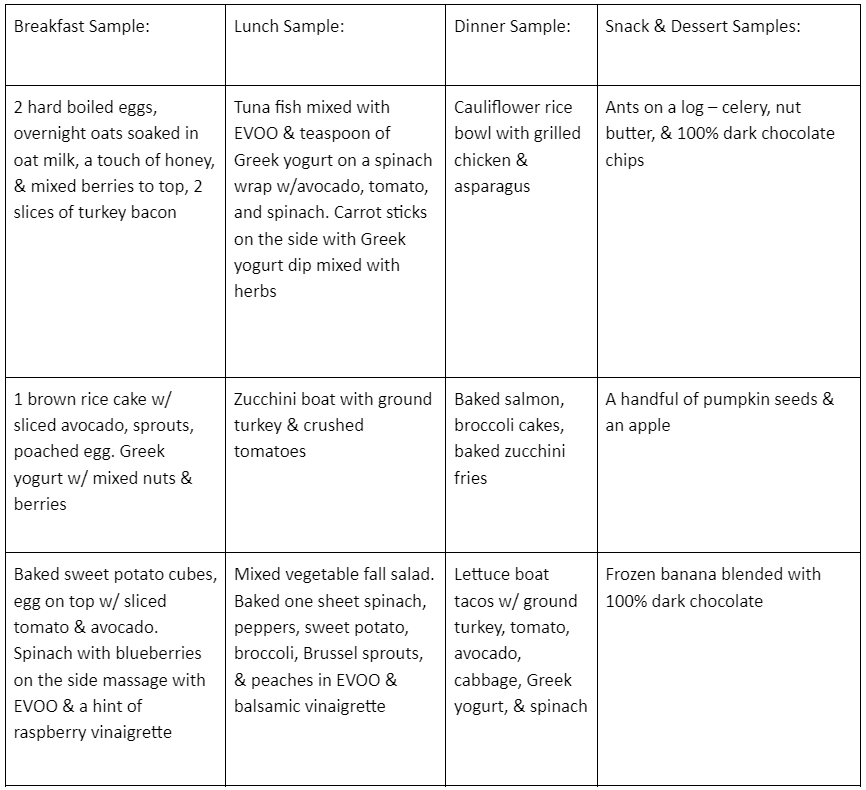
How Eastern Acupuncture & Wellness Can Help
With a team of highly trained Acupuncture physicians and an in-house dietitian Eacuwell is equipped with the tools to help you overcome even the scariest of diagnoses. Type 2 diabetes is completely manageable when keeping nutrition at the forefront of healing.

Our team is happy to collaborate and consult with your western care provider on your journey to give you the best care possible. When changing the way you eat you can expect to see not only a decrease in weight, but an increase in energy, decrease in pain, and of course lower glucose levels. Give us a call to book your consultation.
Eastern Acupuncture And Wellness Plantation:
Eastern Acupuncture And Wellness Wilton Manors:
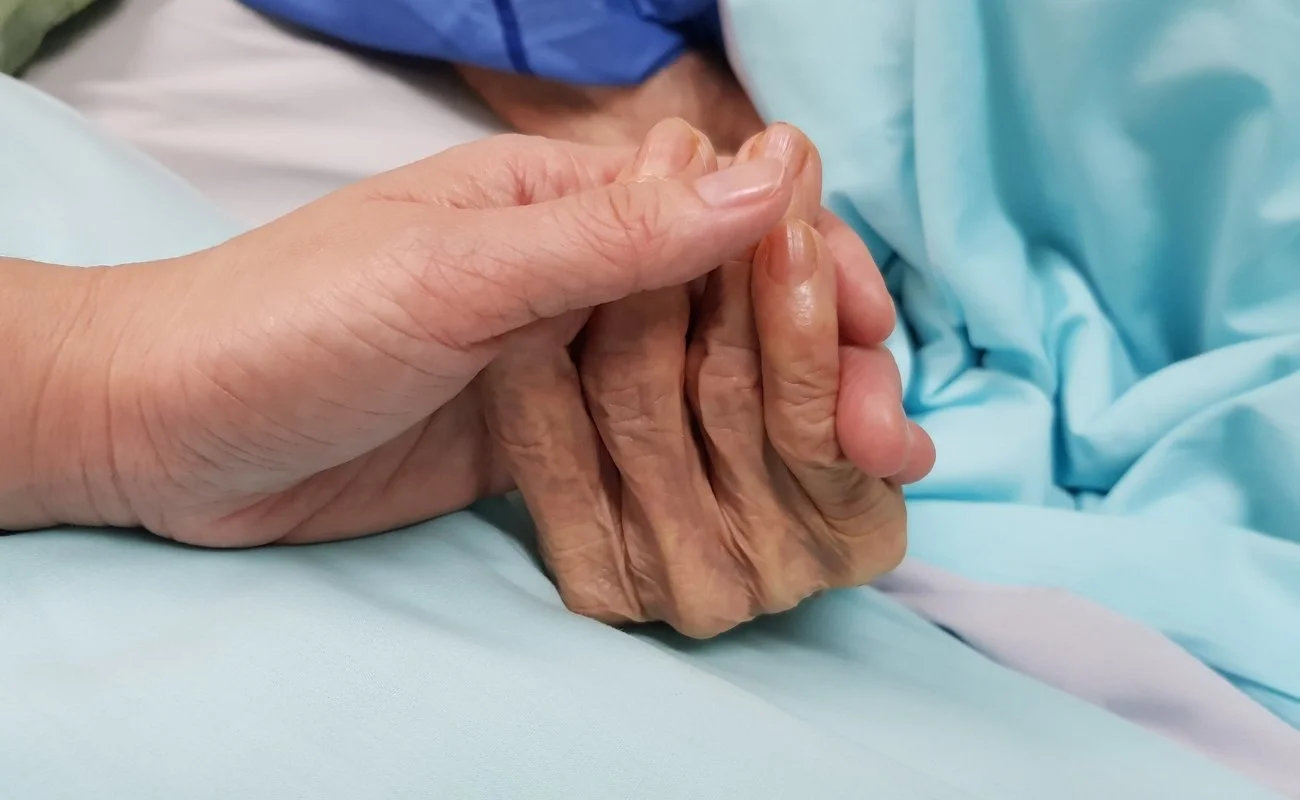
Integrating Traditional Chinese Medicine in Palliative and Hospice Care: Enhancing Well-being
When individuals face serious illnesses, the focus often shifts to enhancing their quality of life while managing symptoms and discomfort. Palliative care is a specialized medical approach designed to provide relief from the suffering associated with severe illnesses, such as cancer, heart disease, or chronic obstructive pulmonary disease (COPD).
The Role of Traditional Chinese Medicine in Palliative and Hospice Care
When individuals face serious illnesses, the focus often shifts to enhancing their quality of life while managing symptoms and discomfort. Palliative care is a specialized medical approach designed to provide relief from the suffering associated with severe illnesses, such as cancer, heart disease, or chronic obstructive pulmonary disease (COPD).
Hospice care, on the other hand, is primarily intended for patients with a limited life expectancy and centers on providing comfort and support in the final stages of life. Integrating traditional Chinese medicine (TCM) into both palliative and hospice care can significantly enhance the well-being of patients and provide vital emotional support to families and caregivers. In this article, we explore the role of TCM in these forms of care, backed by scientific insights and studies.
Understanding the Importance of Palliative and Hospice Care
Palliative care can be initiated at any stage of illness and can be integrated with curative treatments. Its primary goal is to relieve symptoms, improve the patient's overall well-being, and support them in making informed decisions about their care. Hospice care, on the other hand, is focused on ensuring comfort and dignity during the end-of-life phase, often forgoing aggressive treatments that may prolong life but not necessarily enhance its quality.

TCM in Palliative and Hospice Care: Scientific Insights
Traditional Chinese Medicine, with its holistic approach to healthcare, has garnered attention in palliative and hospice care for its potential to complement conventional medical treatments. Let's delve into how TCM modalities, such as acupuncture and herbal medicine, can enhance the well-being of patients in both settings, supported by scientific evidence.
Pain Management with Acupuncture
Pain is a common and distressing symptom experienced by many palliative and hospice care patients. Acupuncture, a central component of TCM, involves the insertion of fine needles into specific points on the body. Scientific studies have demonstrated its effectiveness in pain management:
Endorphin Release: Acupuncture triggers the release of endorphins, the body's natural painkillers. Research has shown that acupuncture can stimulate the release of beta-endorphins, which can provide profound pain relief.
Reduced Reliance on Pain Medications: By offering effective pain relief, acupuncture can reduce the reliance on strong pain medications. This is especially important for patients in hospice care, where comfort and minimizing side effects are paramount.
Stress and Anxiety Reduction with Acupuncture
The emotional burden of severe illness and the end-of-life phase can be overwhelming for patients and their families. Acupuncture can offer significant emotional support, and scientific studies support its effectiveness in reducing stress and anxiety:
Regulating Stress Response: Acupuncture modulates the body's stress response. Studies indicate that acupuncture stimulates the production of neurotransmitters like serotonin and gamma-aminobutyric acid (GABA), which are associated with mood regulation and relaxation.
Improved Mood: Acupuncture can stimulate the release of oxytocin and serotonin, which can improve mood and emotional well-being. This can be particularly beneficial for patients in hospice care who may be dealing with complex emotional challenges.
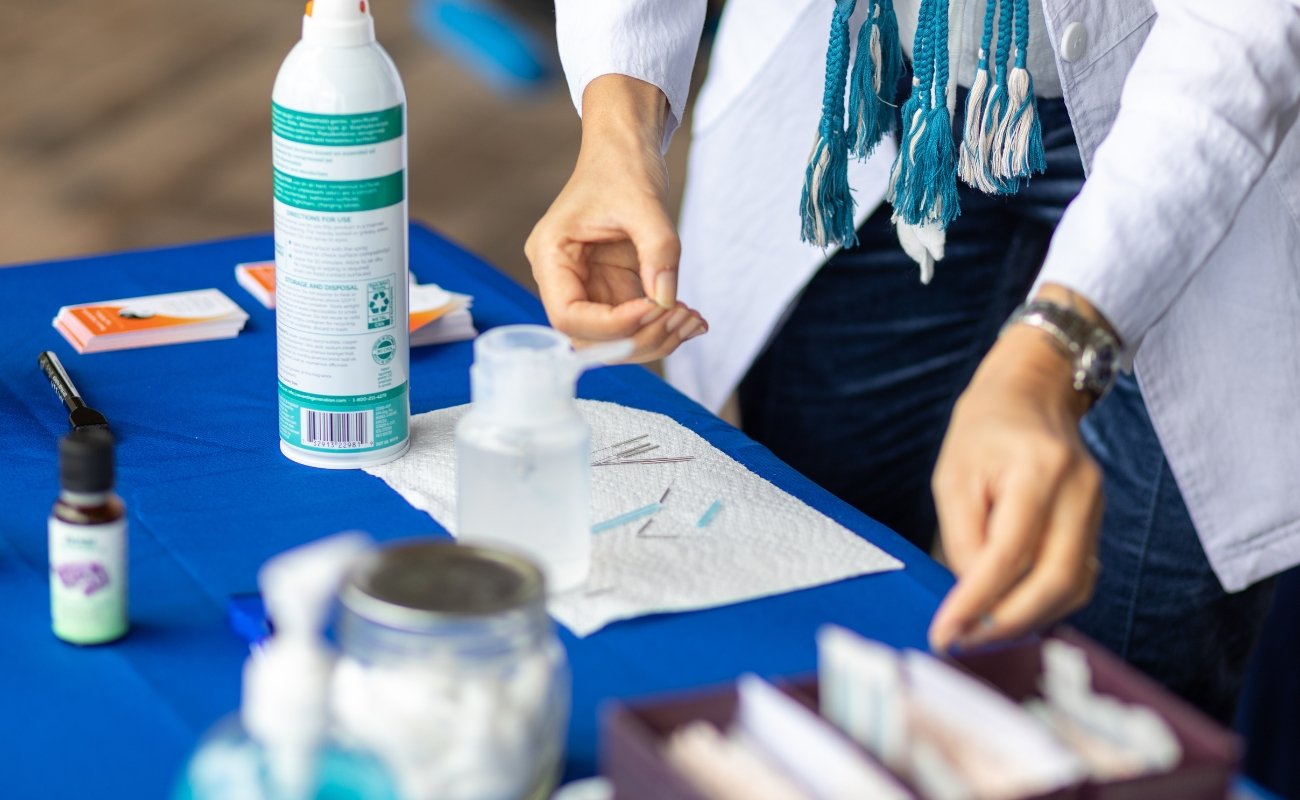
Enhanced Immune System, Digestion, and Comfort
TCM's holistic approach also extends to improving the immune system, digestion, and overall comfort, which are essential components of both palliative and hospice care.
Boosting the Immune System: TCM herbal remedies and acupuncture have been shown to strengthen the immune system. By enhancing the body's immune response, TCM can help patients better cope with infections and illnesses.
Digestive Support: Digestive issues are common in both palliative and hospice care patients. TCM herbal remedies and acupuncture can help alleviate symptoms such as nausea, vomiting, and constipation, improving overall comfort and quality of life.
Better Sleep Patterns with TCM
Sleep disturbances are common in both palliative and hospice care patients. TCM interventions, including acupuncture and herbal remedies, can promote better sleep patterns, as supported by scientific research:
Enhanced Production of Melatonin: Acupuncture enhances the production of melatonin, a hormone that regulates sleep. This can lead to more restful sleep for patients in both settings, contributing to their overall well-being.
Emotional Support for Families and Caregivers
The emotional toll of caregiving and witnessing a loved one's suffering in palliative and hospice care is significant. TCM can provide emotional support to families and caregivers as well:
Stress Reduction: Acupuncture sessions for families and caregivers can help reduce stress and promote emotional well-being, enabling them to provide better care and support.
Education and Coping Strategies: TCM practitioners can educate families and caregivers on techniques such as meditation and breathing exercises to help manage stress and maintain emotional balance.
Integrating TCM for Enhanced Palliative and Hospice Care
The integration of traditional Chinese medicine into palliative and hospice care represents a valuable approach to enhancing the well-being of patients, families, and caregivers facing severe illnesses and the end-of-life phase. Scientific studies support the effectiveness of TCM modalities, such as acupuncture, in pain management, stress reduction, improved immune function, digestion support, and promoting better sleep patterns. By embracing the holistic principles of TCM, both palliative and hospice care can offer a more comprehensive and patient-centred approach to symptom management, emotional support, and enhancing overall comfort and well-being.

Eastern Acupuncture And Wellness Plantation:
Eastern Acupuncture And Wellness Wilton Manors:
To learn more about the integration of traditional Chinese medicine into palliative and hospice care and explore how it can benefit you or your loved ones, please visit our Traditional Chinese Medicine page or book a complimentary consultation today!. Our experts are here to provide guidance and support during challenging times, enhancing the well-being of patients in palliative and hospice care, as well as their dedicated families and caregivers.

Is Traditional Medicine Good For Women's Health?
Our body's function is to be the house of our spirit, mind, and emotions. If one is out of balance then there is no way that they are all not affected because they are infinitely intertwined to make the unique beautiful being that is you.
The house foundation for a woman is their womb. If the foundation has cracks it can feel like painful cramps, plumbing problems can look like clots, and PMS can be that unwanted house guest that stays too long and makes you feel crazy.
There is always that period of time in every woman's life where the sea of blood flows in, and with it brings womanhood. For most girls between the age of 12–14 yrs old, their 1st menstrual flow comes and for some, it may come with a wave of physical pain/discomfort or a tide of overwhelming emotions.
Our body's function is to be the house of our spirit, mind, and emotions. If one is out of balance then there is no way that they are all not affected because they are infinitely intertwined to make the unique beautiful being that is you.
The house foundation for a woman is their womb. If the foundation has cracks it can feel like painful cramps, plumbing problems can look like clots, and PMS can be that unwanted house guest that stays too long and makes you feel crazy.
This is why I would like to offer you a free 20-min health consultation over the phone or in person, so we can discuss how Chinese and holistic medicine can help you.
Chinese medicine is a 5,000 yrs old holistic medicine practice that works naturally and helps the body, mind, and soul by using nature's abundant resources and your body's own energy.
This is so symptoms don't come back or have to be managed every month. It is the cement to fill the cracks. The plumber who redirects the water system and the person who tells the unwanted house guest thank you for coming to visit, but now it is time for me to enjoy my house (body) without discomfort.

What is premenstrual dysphoric disorder (PMDD)?
Premenstrual dysphoric disorder (PMDD) is a severe form of premenstrual syndrome. It is thought to be caused by a hormone imbalance, in which levels of certain hormones fluctuate during different stages of the menstrual cycle.
Below are the signs and symptoms that your body may need some help, please don't hesitate to call us at Eastern Acupuncture and Wellness.
I've worked with little women just starting their cycle, wanting to get their garden fertile women, and wise women who are at the end of their cycle.
It doesn't matter at what point of the mother, maiden, or crone cycle you are, Eastern Acupuncture and Wellness does have a place for you to rebalance, release and rejuvenate.
Symptoms include:
Feelings of sadness or despair, or even thoughts of suicide
Feelings of tension or anxiety
Panic attacks
Mood swings or frequent crying
Lasting irritability or anger that affects other people
Lack of interest in daily activities and relationships
Trouble thinking or focusing
Tiredness or low energy
Food cravings or binge-eating
Trouble sleeping
Feeling out of control
Physical symptoms, such as bloating, breast tenderness, headaches, and joint or muscle pain
You must have 5 or more of these symptoms to be diagnosed with PMDD. Symptoms occur during the week before your period and go away after the bleeding starts.
What is PMS?
Your doctor may diagnose PMS based on which symptoms you have, when they occur, and how much they affect your life. If you think you have PMS, keep track of which symptoms you have and how severe they are for a few months.
Record your symptoms each day on a calendar or PMS symptom tracker (PDF, 66 KB). Take this form with you when you see your doctor about your PMS.
Your doctor will also want to make sure you don’t have one of the following conditions that shares symptoms with PMS:
Depression
Anxiety
Menopause
Chronic fatigue syndrome (CFS)
Irritable bowel syndrome (IBS)
Problems with the endocrine (EN-doh-kryn) system, which makes hormones
What are the symptoms of PMS?
PMS often includes both physical and emotional symptoms, such as:
Acne
Swollen or tender breasts
Feeling tired
Trouble sleeping
Upset stomach, bloating, constipation, or diarrhea
Headache or backache
Appetite changes or food cravings
Joint or muscle pain
Trouble with concentration or memory
Tension, irritability, mood swings, or crying spells
Anxiety or depression
The causes of PMS are not clear, but several factors may be involved. Changes in hormones during the menstrual cycle seem to be an important cause.
These changing hormone levels may impact some women more than others. Chemical changes in the brain may also be involved.
Stress and emotional problems, such as depression, do not seem to cause PMS, but they may make it worse. Some other possible causes include:
Low levels of vitamins and minerals
Eating a lot of salty foods, which may cause you to retain (keep) fluid
Drinking alcohol and caffeine, which may alter your mood and energy levels
Symptoms vary from woman to woman.

How common is PMS?
There’s a wide range of estimates of how many women suffer from PMS. The American College of Obstetricians and Gynecologists estimates that at least 85 percent of menstruating women have at least 1 PMS symptom as part of their monthly cycle.
Most of these women have fairly mild symptoms that don’t need treatment. Others (about 3 to 8 percent) have a more severe form of PMS, called premenstrual dysphoric (dis-FOHR-ik) disorder (PMDD).
PMS occurs more often in women who:
Are between their late 20s and early 40s
Have at least 1 child
Have a family history of depression
Have a past medical history of either postpartum depression
Many things have been tried to ease the symptoms of PMS. No treatment works for every woman. You may need to try different ones to see what works for you.
Some treatment options include:
Lifestyle changes
Medications
Alternative therapies like Chinese medicine
Lifestyle changes
If your PMS isn’t so bad that you need to see a doctor, some lifestyle changes may help you feel better.
How Can I Reduce Menstrual Symptoms?
Exercise regularly.
Each week, you should get Two hours and 30 minutes of moderate-intensity physical activity. One hour and 15 minutes of vigorous-intensity aerobic physical activity; or a combination of moderate and vigorous-intensity activity; and muscle-strengthening activities on 2 or more days.
Regulate your nutrition
Eat healthy foods, such as fruits, vegetables, and whole grains.
Avoid salt, sugary foods, caffeine, and alcohol, especially when you’re having PMS symptoms.
Get enough sleep. Try to get about 8 hours of sleep each night.
Don't smoke! Find healthy ways to cope with stress. Talk to your friends, exercise, or write in a journal. Some women also find yoga, massage, or relaxation therapy helpful.
Researchers continue to search for new ways to treat PMS. Learn how Chinese and holistic medicines can help you. Wouldn't it feel good to naturally ride the waves of your sea of blood, balance your mind and soothe your spirit?
Chinese medicine restores balance to the body and strengthens the organ system, so the root cause of the period discomfort is healed and the branch symptoms are alleviated.
No woman needs to suffer when nature has an abundance of solutions to get you feeling amazing in your body no matter what time of the month it is!!
Making some lifestyle changes may help ease PMDD or PMS symptoms. For more information about premenstrual syndrome (PMS) and (PMDD) call us at Eastern Acupuncture and Wellness.

Eastern Acupuncture And Wellness Plantation:
Eastern Acupuncture And Wellness Wilton Manors:
Sources:
Premenstrual syndrome (PMS) fact sheet was reviewed by:
Songhai Barclift, M.D.Lieutenant Commander
HIV/AIDS Bureau Health Resources and Services Administration U.S. Department of Health and Human Services