

Eastern Acupuncture and Wellness Blog

Exercise Your Freedom of Choice: Embrace Acupuncture as a Healthcare Option this Independence Day
Independence Day, a celebration of our nation's freedom and autonomy, may seem unrelated to acupuncture and traditional Chinese medicine. However, when considering the availability, acceptance, and coverage of acupuncture in the United States, we can observe a fascinating connection between these holistic healthcare options and, the country's commitment to independence, and its evolving healthcare landscape.
Independence Day, a celebration of our nation's freedom and autonomy, may seem unrelated to acupuncture and traditional Chinese medicine. However, when considering the availability, acceptance, and coverage of acupuncture in the United States, we can observe a fascinating connection between these holistic healthcare options and, the country's commitment to independence, and its evolving healthcare landscape.
Exploring Independence and Healthcare:
The United States has long upheld the principles of individual liberty and the right to pursue alternative or complementary treatments. These fundamental values have given rise to a pluralistic healthcare system that recognizes and respects diverse healing traditions. Acupuncture, a cornerstone of traditional Chinese medicine, has flourished in the United States due to its alignment with these principles.
Acupuncture's Emergence and Recognition in the United States:
During the latter half of the 20th century, acupuncture gained significant popularity in the United States. This growth was not only driven by the openness and cultural diversity of the country but also by the increasing recognition of acupuncture as a valuable healthcare modality. Today, acupuncture is recognized by numerous medical associations and regulatory bodies for its efficacy in promoting wellness and addressing various health conditions.
Health Insurance Coverage for Acupuncture:
One notable development in the acceptance of acupuncture is its inclusion in health insurance coverage. As more research supported its effectiveness, health insurance providers recognized the value of acupuncture and began offering coverage for acupuncture treatments. This recognition and coverage have made acupuncture more accessible to a wider population, further integrating it into mainstream healthcare.
The Role of Independence in Expanding Healthcare Choices:
Independence Day serves as a powerful reminder of the values that underpin the American healthcare landscape. In the United States, individuals have the freedom to make choices about their healthcare, and the availability of insurance coverage for acupuncture reflects this commitment to independence and individual liberties. Access to acupuncture treatments allows individuals to explore diverse healing modalities and make informed decisions about their healthcare.
Acupuncture as a Cultural Heritage:
While acupuncture does not have a direct connection to Independence Day itself, it is an integral part of Chinese culture and has been practiced for thousands of years. The ability to embrace and offer acupuncture treatments in the United States demonstrates the country's appreciation for diverse cultural practices and its commitment to inclusivity. Recognizing and covering acupuncture under health insurance is a testament to the evolving understanding and integration of different healing traditions.
The relationship between acupuncture, traditional Chinese medicine, Independence Day, and healthcare coverage is multifaceted. As we celebrate Independence Day, let us appreciate the freedom to explore various healing traditions, including acupuncture. The recognition and coverage of acupuncture under health insurance signify a significant milestone in its acceptance within mainstream healthcare. This development allows individuals to choose acupuncture as a viable treatment option, highlighting the ongoing commitment to independence, individual liberties, and holistic approaches to wellness.
Eastern Acupuncture And Wellness Plantation:
Eastern Acupuncture And Wellness Wilton Manors:

The Synergistic Power of Traditional Chinese Medicine, Acupuncture, and Mental Health Counseling for Common Mental Health Disorders
In recent years, the integration of traditional Chinese medicine (TCM), including acupuncture, and mental health counseling has gained recognition for its potential in addressing common mental health disorders. This blog explores the synergistic effects of combining TCM, acupuncture, and mental health counseling as complementary approaches to enhance mental well-being and alleviate symptoms associated with various mental health disorders.
In recent years, the integration of traditional Chinese medicine (TCM), including acupuncture, and mental health counseling has gained recognition for its potential in addressing common mental health disorders. This blog explores the synergistic effects of combining TCM, acupuncture, and mental health counseling as complementary approaches to enhance mental well-being and alleviate symptoms associated with various mental health disorders.
Understanding Traditional Chinese Medicine (TCM):
TCM is a holistic system of healthcare that emphasizes the balance of Qi (vital energy) and the harmonious functioning of the body, mind, and spirit. TCM includes various modalities such as acupuncture, herbal medicine, dietary therapy, and mind-body practices like tai chi and qigong.
The Role of Mental Health Counseling:
Mental health counseling is a therapeutic approach that aims to improve psychological well-being by addressing emotional and mental challenges. It involves a confidential and collaborative relationship between a trained counselor and the individual seeking support. Mental health counseling provides a safe space for exploring thoughts, feelings, and behaviors while offering coping strategies and promoting self-awareness.
The Scientific Aspect of Acupuncture in Mental Health:
Acupuncture, a key component of TCM, has been studied for its potential effects on various mental health disorders. Scientific research has highlighted several mechanisms through which acupuncture may benefit mental health:
Neurotransmitter Regulation: Acupuncture has been found to modulate neurotransmitter levels in the brain, such as serotonin, dopamine, and GABA, which are implicated in mood regulation and mental health disorders like depression and anxiety.
Endogenous Opioid System Activation: Acupuncture stimulates the release of endogenous opioids, including endorphins, which can enhance mood and alleviate symptoms of depression and other mental health disorders.
Stress Response Modulation: Acupuncture influences the body's stress response system, including the hypothalamic-pituitary-adrenal (HPA) axis, leading to the regulation of stress hormones like cortisol. This modulation can be beneficial for individuals with stress-related disorders, such as post-traumatic stress disorder (PTSD) and generalized anxiety disorder.
Neural Plasticity and Connectivity: Acupuncture has been shown to affect neural plasticity and connectivity in the brain, which can contribute to the regulation of mood, emotional processing, and cognitive function in individuals with various mental health disorders.
The Synergy of TCM, Acupuncture, and Mental Health Counseling:
By integrating acupuncture with mental health counseling, individuals with common mental health disorders can benefit from a comprehensive and integrated treatment approach. The synergistic effects include:
Depression: Acupuncture, combined with mental health counseling techniques, can help regulate neurotransmitters associated with depression, improve mood, and promote emotional well-being. It can also be integrated with evidence-based treatments like cognitive-behavioral therapy (CBT) to address cognitive patterns and develop healthy coping strategies.
Anxiety Disorders: Acupuncture's anxiolytic effects, along with mental health counseling interventions, can assist individuals with anxiety disorders in managing symptoms, reducing excessive worry, and promoting relaxation. The combination of acupuncture and techniques such as mindfulness-based stress reduction or exposure therapy can be particularly beneficial.
Post-Traumatic Stress Disorder (PTSD): Acupuncture, coupled with trauma-informed mental health counseling approaches, can help regulate the stress response system, reduce hyperarousal, and alleviate PTSD symptoms. It may also support the integration and processing of traumatic experiences.
Mood Disorders: Acupuncture, in conjunction with mental health counseling, can aid in regulating mood and emotions in individuals with mood disorders such as bipolar disorder. It can be used alongside medication and psychotherapy to support overall stability and emotional well-being.
The integration of traditional Chinese medicine, acupuncture, and mental health counseling holds significant potential for addressing a range of common mental health disorders. By combining the holistic principles of TCM, the specific effects of acupuncture on the nervous system, and evidence-based mental health counseling techniques, individuals can access a comprehensive and personalized treatment plan that targets the mind, body, and spirit. It is essential to consult qualified professionals experienced in both TCM and mental health counseling to receive optimal care and achieve positive outcomes in managing mental health disorders.
Eastern Acupuncture And Wellness Plantation:
Eastern Acupuncture And Wellness Wilton Manors:

Why Do Athletes Use Acupuncture For Sports Performance?
Elite athletes of the past, like Kobe Bryant, Aaron Rodgers, Vincenzo Nibali, AJ Burnett, and Shaquille O'Neal, adopted acupuncture as part of their practice to maximize recovery - a testament to its effectiveness. From Steve Nash to Yao Ming and Jeff Hornacek, these Hall-of-Famers chose this ancient tradition to perform optimally.
Acupuncture for sports has been used for centuries to help athletes perform better on the field or court. Find out more about its benefits!
Athletes are always looking for ways to improve their performance, and sports acupuncture has become a popular option. Acupuncture for sports is a form of treatment that uses the insertion of thin needles into specific points on the body to treat pain, reduce inflammation and fatigue, and enhance blood flow to improve athletic performance.
Elite athletes of the past, like Kobe Bryant, Aaron Rodgers, Vincenzo Nibali, AJ Burnett, and Shaquille O'Neal, adopted acupuncture as part of their practice to maximize recovery - a testament to its effectiveness. From Steve Nash to Yao Ming and Jeff Hornacek, these Hall-of-Famers chose this ancient tradition to perform optimally.
This type of acupuncture is based on Traditional Chinese Medicine (TCM) principles which focus on restoring balance in the body and nervous system to promote healing.
Watch Dr. Taina Rodriguez., AP. DOAM. explain why so many athletes incorporate acupuncture into their regime:
Benefits of Sports Acupuncture: Dr. Taina Rodriguez Explains How Acupuncture Can Improve Performance

When To Use Traditional Chinese Medicine Instead Of Ice?
As an avid sports athlete or a professional, you are likely to experience the occasional injury. Fortunately, Traditional Chinese Medicine and acupuncture offer effective treatment solutions. When it comes to restoring your health after an acute or early-stage sports injury, an acupuncture physician is able to evaluate your injury and even refer you out for further diagnostics, if necessary. With the use of acupuncture, cupping, thermal and/or laser therapy to promote circulation, increase blood flow, and reduce the inflammatory response, the natural healing process is both promoted and supported.
Suffering from an acute soft tissue injury, or just feeling achy after your last sports game or training session? You may be tempted to grab the ice pack and lay it on, but recent research indicates that might not speed up healing. In fact, with reduced circulation as a result of icing down swollen areas, you could actually impair recovery times!
Acupuncture and TCM have been a staple of martial arts for centuries. With roots dating back to ancient China, these traditional treatments are known for their effectiveness in healing sports injuries both long-term and short-term - making them an indispensable part of any fighter's toolkit. From sprains to cuts, acupuncture can help mend the physical effects that come with rigorous training regimes.
Herbal Medicine and acupuncture are effective in reducing inflammation and improving blood flow at the same time. This helps reduce pain levels by allowing your body’s own inflammatory processes to do their job correctly without any interference hindering those necessary functions. So if rapid relief is what you need then Chinese medicine should certainly be given due consideration over traditional icing methods - healthy solutions minus all possible side effects make perfect sense!

Sports Acupuncture Can Help Athletes In Numerous Ways:
Increase range of motion: Acupuncture can help loosen up tight muscles, tendons, and ligaments that have been over-used during training or competition, allowing athletes to perform at their best without risking further injury.
Improve blood flow: Acupuncture increases blood flow to areas that may be lacking oxygen due to poor circulation. This helps speed up muscle recovery after intense physical exertion.
Reduce fatigue: Regular sports acupuncture treatments can help athletes prevent burnout and maintain peak performance levels during practice and game days alike.
Enhance mental clarity: Sports acupuncture releases endorphins which not only reduce pain but also provide an overall sense of calmness and relaxation; enabling athletes to stay focused and motivated throughout their training sessions and competitions.
Relieve muscle tension: Acupuncture treatment can help relax tense muscles caused by repetitive use as well as from stress-related tension such as anxiety before a game or competition; helping athletes remain flexible yet powerful during performances.
Stimulate nerve activity: By targeting key acupoints near nerves, sports acupuncturists can stimulate nerve activity which leads to quicker reflexes as well as improved coordination; vital components for peak performance in any sport!
Increase flexibility: Acupuncture helps increase elasticity in joints by releasing adhesions within connective tissue; allowing for greater mobility with each move made on the court or field of play!
Overall, sports acupuncturists strive to bring balance back into an athlete’s entire physiological system; providing relief from painful symptoms while improving energy flow throughout the body at the same time! For those who want an edge up on their competition without relying solely on medication; sports acupuncture provides an all-natural, non-invasive alternative that helps keep athletes performing at their best both mentally and physically!

What Exactly Is Sports Acupuncture?
Sports acupuncture works by stimulating the micro-circulation of blood flow through meridians also known as arteries, tendons, muscles, and organs, reducing and or eliminating inflammation. When these pathways become blocked by inflammation because of injury or overuse, pain will occur. By stimulating these pathways with acupuncture needles, it helps reduce inflammation and restore balance in the body encouraging optimal circulation of energy and blood flow. These meridians are all connected, and when they become blocked energy flow becomes disrupted. This disruption leads to pain and stress, which can affect performance.
In contrast, modern sports acupuncture uses acupressure points to stimulate the release of endorphins, which are natural painkillers produced by the brain. Endorphins help reduce muscle soreness, and tension and increase blood circulation, which helps athletes recover faster from sports-related injuries.
The most common types of sports acupuncture treatments include trigger point therapy, cupping, moxibustion, and electroacupuncture.
Trigger point therapy involves applying pressure to specific points on the body to relieve pain and relax muscles.
Cupping involves using cups to apply suction to certain parts of the body to promote healing.
Moxibustion involves burning herbs directly on the skin to stimulate the body’s own healing process.
Infrared Heat Therapy: Using infrared to penetrate the skin and muscles can reduce inflammation, promote blood circulation and soothe tight muscles, managing pain levels.
Electro Acupuncture involves connecting electrical stimulation from a tens machine to specific acupoints over an injured area to enhance the acupuncture treatment.
Acupuncture In Healing Muscle Strains
If you’ve ever had a pulled muscle, you know how painful it can be. Whether you’re playing sports or doing everyday activities, injuries happen. When you pull a muscle, it causes friction between the muscle fibers and surrounding tissues. Over time, this friction leads to scarring, which makes the area stiffer and harder to move. Scar tissue also creates adhesions, which cause further damage.
Electro acupuncture in professional sports is common because it is so effective in helping to heal muscle strains. Using electrical current to enhance the acupuncture protocol helps stimulate the body’s own healing process, by breaking up the adhesions and relaxing the affected muscle. This helps reduce inflammation and improve circulation, allowing for better healing of the area. In addition to pain relief, acupuncture helps improve circulation and muscle flexibility. The needles stimulate nerves and muscles, helping them relax and heal.
Besides acupuncture works by stimulating the release of endorphins, natural chemicals that make us feel good. Endorphins also reduce inflammation, which helps muscles heal faster. In addition, acupuncture stimulates blood circulation, which improves oxygen delivery to muscle tissue.
Sports Acupuncture Treatment Benefits
Acupuncture can help you recover more quickly from an injury. Acupuncture is one of the most popular alternative treatments for sports injuries. A study published in the Journal of Sports Medicine and Physical Fitness found that people who received acupuncture were less likely to miss work than those who did not receive acupuncture. Another study published in the American Journal of Sports Medicine showed that acupuncture helped reduce swelling and provide pain relief in patients recovering from knee surgery.

Faster Recovery
When you get injured, your body sends signals to your brain telling it to stop working. The brain then tells your muscles to relax, which causes muscle soreness and stiffness. If you receive acupuncture treatment right after an injury, your body will be able to heal faster because the needles stimulate the nerves and blood vessels at the site of the injury. Not only does acupuncture reduce swelling and provide pain relief, but it also helps speed up recovery time. In addition, acupuncture can help prevent injury by improving balance and coordination.
Chronic Injury Relief
Additionally, Acupuncture is recommended for athletes who suffer from chronic sports injuries. For example, if you play tennis regularly, you might want to consider getting acupuncture treatment before each match. You could also try acupuncture for muscle strains, sprains, and other injuries. Another example in sports is chronic shoulder pain, which is often caused by repetitive motions. Acupuncture can help relax the muscles and reduce inflammation, providing relief from recurring discomfort.
Common Sports Conditions Treated By Both Traditional Chinese Medicine And Acupuncture
The most common sports conditions treated by both traditional Chinese medicine and acupuncture include:
Chronic Low Back Pain: Pain in the lower back caused by an injury or a chronic condition such as arthritis.
Chronic Shoulder Pain: Pain in the shoulder due to an injury or inflammation.
Fractures: Broken bone caused by a traumatic event or an acute injury.
Frozen Shoulder: Inflammation of the shoulder joint resulting in pain and stiffness.
Golfer's Elbow / Tennis Elbow: Pain and tenderness in the outside of the elbow caused by overextending the forearm muscles.
Knee Pain: Pain in the knee due to an injury or inflammation.
Patellofemoral Pain Syndrome: Pain in the front of the knee caused by an imbalance in the muscles and tendons around the kneecap.
Plantar Fasciitis: Pain and swelling in the heel due to a tear in the plantar fascia.
Repetitive Strain: Pain caused by repetitive motions and overuse of muscles or joints.
Sciatica: Pain in the lower back, hip and leg caused by a pinched nerve.
Shin Splints: Inflammation of the lower leg muscles caused by overuse. Very common in young athletes due to their more active lifestyles.
Sports Musculoskeletal Pain: Pain in the muscles and joints caused by overexertion or injury.
Tendonitis: Pain, swelling, and stiffness in a tendon caused by overuse or repetitive motions.
Torn Ligaments / Sprained Ligaments: Overstretching or tearing of the ligaments due to excessive force, resulting in pain and swelling.

While Traditional Chinese Medicine and Acupuncture can help with managing sports injuries it is important to note that they should be used in conjunction with proper rehabilitation and exercise. The combination of the two treatments can help to quickly and effectively resolve sports injuries. Whether you're an amateur or professional athlete you should always consult with a qualified sports medicine professional prior to seeking any type of treatment.
Great Sports Medicine Treatments to Accompany Acupuncture
In addition to acupuncture, a few other sports medicine treatments can help athletes recover faster. Massage therapy is one of the best ways to reduce muscle soreness, and tension, and improve flexibility. Stretch therapy can also help increase flexibility and reduce discomfort. As mentioned prior, trigger point therapy, cupping, infrared heat therapy, electro-acupuncture, and other forms of manual therapy can also be used for pain relief and improved healing.
In conclusion, acupuncture is a great treatment option for athletes suffering from muscle strains, sprains, and other sport injuries. It can help reduce pain, improve circulation, and speed up recovery time. With the right combination of sports medicine treatments, you can get back in the game faster and stronger.
If you're an athlete looking to get the most out of your performance, then sports acupuncture is for you! Our Board Certified Licensed practitioners in Broward County, Florida can help you achieve peak physical performance and endurance. It is a great option for athletes of all levels. Schedule your complimentary appointment today and enjoy the benefits of sports acupuncture and Traditional Chinese Medicine!

Eastern Acupuncture And Wellness Plantation:
Eastern Acupuncture And Wellness Wilton Manors:
Resources:
AcuSport Education | Clinical Study Acupuncture & Tibial Stress Syndrome (Shin Splints): by Matt Callison
Journal of Chinese Medicine • Number 78 • June 2005 | Sports Injuries and TCM: By Kevin Young
Journal of Chinese Medicine • Number 87 • June 2008 | The treatment of sports-related muscle tension headaches with acupuncture and moxibustion: By Matt Callison
Journal of Chinese Medicine | Bi Syndrome of the Knee Treated with Acupuncture with Patellofemoral Pain Syndrome As A Case: By Roar Jensen and Anders Baerheim
National Library of Medicine | Chinese Medicine and Martial Arts: By T C Koh
5 Essentials of Chronic Pain Relief Without Drugs: Get To The Root of Pain
Deep-rooted pain can make it difficult to perform everyday activities, enjoy hobbies, and even get a good night’s sleep. It can stop you from living the life you want. That’s why many people are looking for alternatives to medication when it comes to chronic ache relief. Here are some of the most frequent questions people ask about natural and alternative techniques for relieving pain that is constant.
Chronic pain is one of the most common reasons people seek medical help. It can be caused by a variety of issues, from an ongoing injury to conditions like fibromyalgia. For many people, medication is the only way to get relief from persistent pain. But what if there was another way? In this post, we'll explore some ways to get to the root of your pain and find chronic pain relief without the use of synthetic drugs.
This article is for information purposes only and should not be used as a replacement for professional medical advice. Our Physicians are Primary Care Doctors that specialize in East Asian Medicine. They are qualified to give this advice. However, if you are suffering from long-lasting pain, please consult with our Physicians before making any changes to your treatment regimen.
Differentiating Chronic Pain vs. Acute Pain
Lingering pain can have many causes, but often the main cause is deep-rooted. This can make finding definite pain relief a difficult and frustrating task. It’s important to understand that chronic pain is different from acute pain. Acute pain is a normal response to an injury or illness and typically goes away once the underlying problem is resolved. Chronic Pain, on the other hand, persists for weeks, months, or even years. An example is back pain that’s been present for longer than three months. It may be caused by an initial injury or illness, but it can also develop from other conditions like arthritis, fibromyalgia, or nerve damage.
Identifying Your Pain
If you’re struggling with persistent pain, it’s essential to see one of our Physicians to rule out any underlying medical conditions. Once any potential medical causes have been ruled out, you can begin to look for other possible triggers. Some standard pain signals include:
Stress: Chronic stress can lead to muscle pain and chronic headaches. It can also worsen conditions like fibromyalgia and irritable bowel syndrome.
Poor posture: Slouching or sitting in the same position for long periods can lead to back pain, neck pain, and other types of long-standing pain.
Obesity: Carrying excess weight puts extra strain on your joints and muscles, which can turn into pain.
Sleep problems: If you’re not getting enough sleep, your body can’t heal properly. This can lead to lingering pain.
Sedentary Lifestyle: Lack of exercise can create a myriad of issues, both physically and mentally.
3 Frequent Questions Patients Ask About Pain Relief Alternative Therapies
Deep-rooted pain can make it difficult to perform everyday activities, enjoy hobbies, and even get a good night’s sleep. It can stop you from living the life you want. That’s why many people are looking for alternatives to medication when it comes to chronic ache relief. Here are some of the most frequent questions people ask about natural and alternative techniques for relieving pain that is constant.
Why consider natural treatments over medication?
Consider trying pain relief alternatives like acupuncture, functional medicine, or massage therapy. These alternative treatments can help with progressive muscle relaxation, increase blood flow, and reduce inflammation. You can also try to relieve pain naturally with the help of herbal formulas and supplements like turmeric, ginger, or omega-3 fatty acids. These natural remedies can help to reduce inflammation and pain. Medications can have side effects, and many people prefer not to take them if they can avoid them. In many cases, it's beneficial to consider integrative techniques for your overall wellness.

How can you obtain pain relief with exercise?
You can make several lifestyle changes to help relieve the constant pain and inflammation. Exercise can help to increase blood flow and reduce inflammation. Yoga, Tai Chi, and other forms of gentle stretching can also help to relieve pain.
Why is it important to incorporate breathing techniques?
Your pain can also be caused by stress and anxiety. If you’re struggling with continuous pain, consider trying relaxation techniques like meditation or deep breathing exercises. Most of us do not realize that when we are in a stress response (fight or flight), we breathe more shallowly. This can tighten the muscles in the neck and shoulders, causing pain and even headaches.
6 Effective Chronic Pain Relief Alternatives To Consider
Once you’ve identified the possible causes of your pain, you can start working on finding relief. If you're one of the millions plagued by persistent pain, don't suffer in silence. There are many options for finding relief from your symptoms. Read on to learn more about the different types of treatments available.
1) Manual Therapy
One of the best things you can do for long-standing pain is to receive manual therapy. A manual therapist can help you stretch and strengthen the muscles that support your joints, which can help reduce pain. They can also teach you how to properly use assistive devices like canes and walkers if needed.

Manual therapies like trigger point therapy, deep tissue, reflexology, and lymphatic massage all help to “close the pain gate.” By stimulating the nerves and muscles, these therapies help to block pain signals from reaching the brain. As a result, you will experience relief from pain. In addition, manual therapies can also help improve circulation and relaxation. As a result, they can be an effective treatment for a variety of conditions, including headaches, back pain, and fibromyalgia.
2) Acupuncture
Acupuncture is a form of traditional Chinese medicine that involves inserting thin needles into the skin at specific points. This treatment is thought to stimulate the release of endorphins, which are natural painkillers. Acupuncture is commonly used to treat lower back pain, neck pain, arthritis, Fibromyalgia, dental pain, postoperative discomfort, headaches, and migraines, just to name a few.
3) Stress Management
Your pain can be exacerbated by stress, so it’s important to find healthy ways to manage stress. This can include things like yoga, meditation, and deep breathing exercises. Acupuncture is also an effective way to mitigate stress. Acupuncture puts you into a parasympathetic state, which allows the body to relax and repair.
4) Exercise
It may seem counterintuitive, but exercise is one of the best things you can do for relieving pain. Exercise releases endorphins to help reduce inflammation, and strengthens the muscles that support your joints.
If you’re struggling with continual pain, don’t lose hope. There are many things you can do to find relief. Talk to one of our Physicians about your treatment options and find the one that’s right for you.
5) Nutritional Therapy
What you eat can also influence pain reduction. A healthy diet full of fruits, vegetables, and whole grains can help reduce inflammation. Omega-3 fatty acids, found in fish like salmon and tuna, can also help reduce inflammation.
6) Dietary Supplements
Several dietary supplements may help with pain reduction. These include things like glucosamine, chondroitin, and curcumin, which is a compound found in turmeric, fish oil, and vitamin D. Herbs like ginger and garlic can also help to reduce inflammation.

Difference Between Pain Relief And Pain Management
It’s important to distinguish between pain relief and pain management. Pain relief is the goal of many treatments and typically involves reducing or eliminating the experience of pain. To eliminate aches without pain medication or surgery, pain relief treatments focus on finding the source of the pain and addressing it directly. Moreover, pain medicine is often used as a “Quick Fix” rather than a long-term management solution.
Pain management, on the other hand, has a broader focus and typically includes minimizing the impact of lingering pain on your quality of life. This may include things like identifying pain signals for your doctor and talking to your doctor about ways to minimize pain. Pain management may also include lifestyle modifications, such as exercising and getting enough rest.
Summary: How to get a handle on pain without medication?
Chronic aches are becoming common reasons for seeking medical treatment. Back problems in general affect everyone in our society. Mistreatment with opioids and some other prescription drugs makes it clear that other alternatives to pain-relief options must be available.
Today, you have access to professionals that can help identify your symptoms and come up with a natural treatment plan that eliminates pain without drugs via telemedicine. If you are not near Plantation or Wilton Manors, FL, you can still access our licensed practitioners virtually from anywhere. Check out what our patients have to say about us!
Data and studies
“Examined 16 review articles and 11 randomized controlled trials published in the last 5 years on the clinical efficacy of acupuncture in adults with CMP conditions. The available evidence suggests that acupuncture does have short-term pain relief benefits for patients that maintain regular treatment lasting relief, with symptomatic knee osteoarthritis and chronic low back pain, and is a safe and reasonable referral option. Acupuncture may also have a beneficial role for fibromyalgia”.
“The widespread use of opioids to treat chronic pain has led to an opioid epidemic characterized by exponential growth in opioid misuse and addiction. The staggering statistics related to opioid use highlight the importance of developing, testing, and validating fast-acting nonpharmacological approaches to treat pain. Mindfulness meditation is a technique that has been found to significantly reduce pain in experimental and clinical settings”.
“Journal of Alternative and Complementary Medicine in 2016 found that acupuncture was an effective treatment for chronic pain. Another study, published in the same journal in 2016, found that yoga was an effective treatment for chronic low back pain”.

Eastern Acupuncture And Wellness Plantation:
Eastern Acupuncture And Wellness Wilton Manors:
Resources
“Alternative Pain Relief.” Journal of Alternative and Complementary Medicine, vol. 22, no. 7, 2016, p. 561-568.
Zeidan F, Vago DR. Mindfulness meditation-based pain relief: a mechanistic account. Ann N Y Acad Sci. 2016 Jun;1373(1):114-27. doi: 10.1111/nyas.13153. PMID: 27398643; PMCID: PMC4941786.
Zhang Y, Wang C. Acupuncture and Chronic Musculoskeletal Pain. Curr Rheumatol Rep. 2020 Sep 25;22(11):80. doi: 10.1007/s11926-020-00954-z. PMID: 32978666; PMCID: PMC8719359.

Acutherapy: The Healing Benefits of Acupuncture Therapy
One of the unique features of the vision of Chinese Medicine is the idea that disease is an expression of mind, body, and spirit. Acu-Therapy is a treatment modality that I began using when I started practicing acupuncture. The technique incorporates Traditional Chinese Medicine, psychology, meditation, and the “8 Non Somatic Extraordinary Vessels (NSEV).
Acu-therapy and the Extraordinary Vessels
One of the unique features of the vision of Chinese Medicine is the idea that disease is an expression of mind, body, and spirit. Acu-Therapy is a treatment modality that I began using when I started practicing acupuncture. The technique incorporates Traditional Chinese Medicine, psychology, meditation, and the “8 Non Somatic Extraordinary Vessels (NSEV)”.
What are Non-Somatic Extraordinary Vessels (NSEV)?
NSEV is a modern adaptation of an ancient Chinese medicine healing practice. As suggested by the name, the method is geared towards focusing on the mind’s negative physical manifestation over matter (the body). Its primary objective is to address emotional distress, such as depression, anxiety, addictions, etc. that has, over time, manifested into physical pain or general disruption in the enjoyment of daily living.
For example, a patient states he has indigestion along with a feeling as if he had a tight knot in his gut. During intake, I find that his boss makes him “sick to his stomach”. I’ll treat the primary complaints but we will ultimately have to get to the root of the problem to resolve the symptoms. The patient feels “stuck”. He needs the job but cannot deal with the stress. Where to go?
Amongst other methods, one of the 8 NSEV protocols that I will likely use with him, based on the information received, is the Dai Mai. The English translation is “the belt or girdle”. The protocol “loosens the belt” enabling him to move forward allowing him to see other possible options.
What are the 8 Non-Somatic Extraordinary Vessels?
The 8 Non Somatic Extraordinary Vessels are:
Yang Wei
Yin Wei
Yin Qiao
Yang Qiao
Dai Mai
Chong
Du Mai
Ren Mai
These are points that lie outside of the traditional 14 channels (meridians) of Chinese Medicine.
Psychology and Meditation in Conjunction of Acupuncture Therapy
Psychology and meditation are also important aspects of Acu-Therapy. It is vital to help the patient become more aware of their thoughts, emotions, and actions. Moreover, in the mind-body therapies of Chinese medicine it is believed that the mind controls the body. If the mind is in a state of disharmony, the body will follow suit. It is only through the acknowledgment and understanding of one’s thoughts and emotions that change can occur.

What is Acupuncture Therapy or Acu-Therapy?
Acu-Therapy treatment addresses a person's negative core patterns. The goal is to create a healthy balance among these internal core patterns, as well as overall harmony in the way a person interacts with the world around them.
Walt Disney once said, "If you want your life to change you must change your thoughts. Thoughts influence your feelings, feelings create actions and your physical actions achieve your results." Our thoughts are often the cause of emotional and physical diseases.
Through Acu-Therapy, you will become aware of your thought patterns. Awareness of an imbalance in thinking is always a good first step to healing. With acupuncture techniques, specifically by implementing meditation and the Non-somatic Extraordinary Vessels (NSEV model), you will begin to access the root of the disease which has become stuck in your psyche and ultimately in your physical being. Once you are aware of where this lies, you will be able to release it and in time, experience the joy of balance and well-being.
What is acupuncture therapy?
Acupuncture therapy is the use of acupuncture in the treatment of psychological disorders. The belief is based on the idea that imbalances in the flow of energy in the body cause mental disorders. Moreover, we use it to restore balance to the flow of energy, which then relieves mental disorders' symptoms.
Traditional Chinese Medicine (TCM)
We have been using Traditional Chinese Medicine (TCM) as a system of healthcare for over 2000 years. The World Health Organization (WHO) recognizes TCM as an effective form of medicine. Furthermore, TCM is based on the belief that the human body has a natural ability to heal itself. The goal of TCM is to help the body maintain this natural ability by restoring balance.
TCM is a holistic approach to medicine that looks at the entire person, not just the symptoms of the disease. Therefore, TCM practitioners use a variety of techniques to treat their patients. These include acupuncture, herbs, diet, and lifestyle changes.
Acupuncture
Acupuncture is one of the most well-known aspects of Traditional Chinese Medicine. We have used it as a form of therapy for over 3000 years. Acupuncture is based on the belief that there is a life force energy, known as Qi (pronounced “chee”), that flows through the body. This Qi is responsible for our overall health and well-being.
The goal of acupuncture is to restore balance to the body by correcting any imbalances in the flow of Qi. Acupuncture is done by inserting thin needles into specific points on the body. These points are located along what is known as meridians. The 14 main meridians in the body correspond to different organs and systems. Acupuncture is a safe and effective form of therapy. Furthermore, it is proven to help in the treatment of a wide variety of conditions, such as pain, headaches, nausea, anxiety, and depression.

Acupuncture vs. Dry Needling
Acupuncture and dry needling are often confused with each other. Both procedures involve the insertion of needles into the skin. However, there are some important differences between these two procedures.
Dry needling is a relatively new procedure that has only been used for the past few decades. It is based on the Western medical model of anatomy and physiology. The goal of dry needling is to release muscle tension and trigger points.
There are some similarities between acupuncture and dry needling. However, there are also some important differences. Acupuncture is a holistic approach to medicine that looks at the whole person, not just the symptoms of the disease. Dry needling is a more targeted approach that focuses on specific muscle groups.
Conclusion
Acutherapy is a holistic approach to medicine that looks at the entire person, not just the symptoms of the disease. Acupuncture therapy is a great way to restore balance in your body's energy system, which will relieve symptoms of mental disorders. It is helpful in the treatment of a wide variety of conditions, including pain, headaches, nausea, anxiety, and depression.
If you are considering acupuncture to treat a mental disorder, it is important to consult with a qualified practitioner. You can schedule a complimentary consultation with us, and we will be happy to answer any questions you may have about acupuncture and mental health. Acupuncture therapy could be the key to restoring balance in your life.

Eastern Acupuncture And Wellness Plantation:
Eastern Acupuncture And Wellness Wilton Manors:
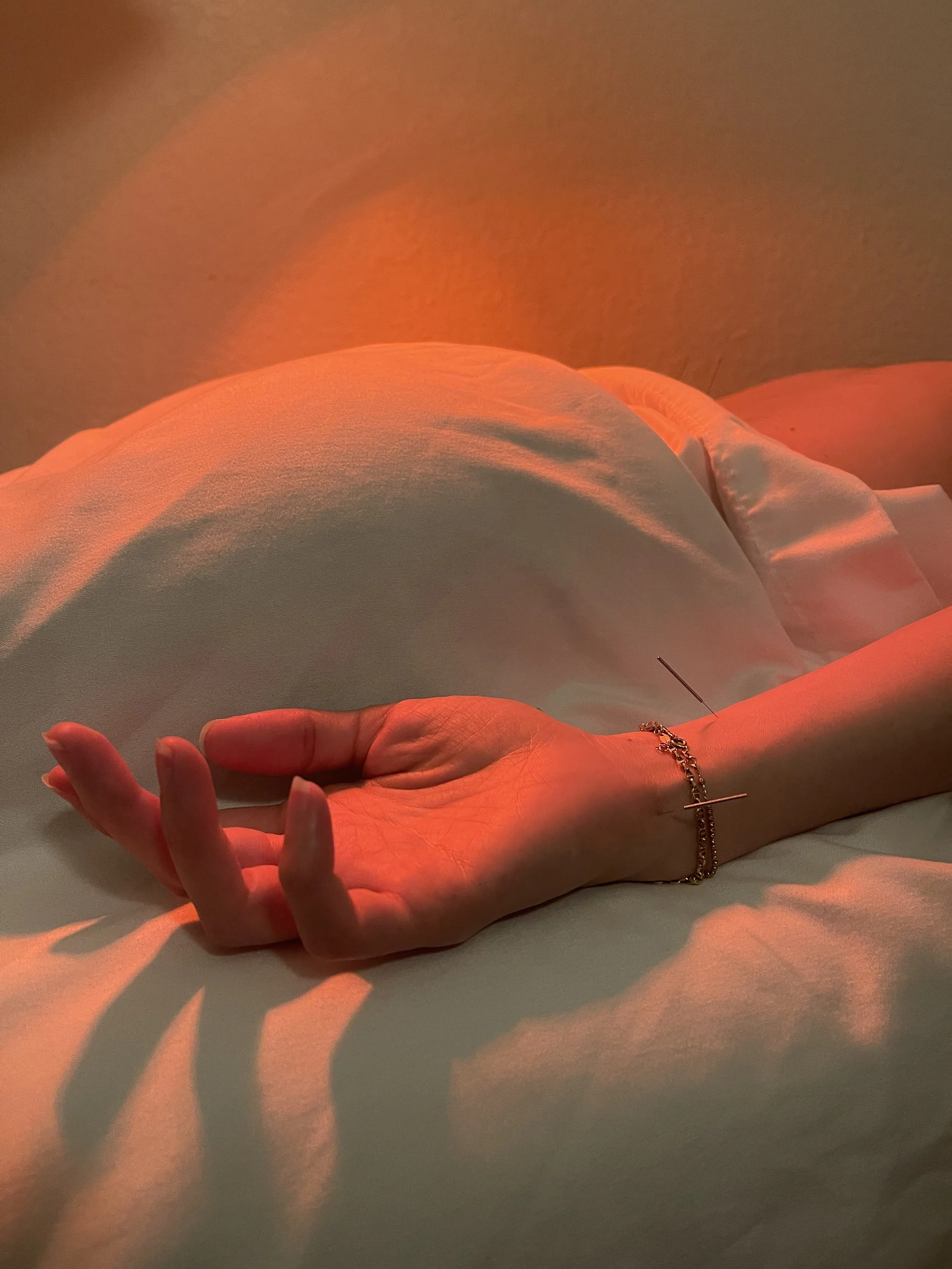
The Power of The Acupuncture Needle
The needle is one of the oldest and first tools of medicine. Before needles became what they are today healers of the past would first use things as stones, bones, and even bamboo as needles. Compared to the materials used today like stainless steel, gold, or silver the needles of the past were much thicker leaving traces of the past behind for us to find.
History of the Acupuncture Needle
Acupuncturists use the needle as their main and most important tool. These acupuncturist needles can be traced back more than 5,000 years. Archeologists have found human remains with traces of insertions that coincide with acupuncture points that would treat lower back and hip pain.
It is one of the oldest and first tools of medicine. Before needles became what they are today healers of the past would first use things as stones, bones, and even bamboo as needles. Compared to the materials used today like stainless steel, gold, or silver the needles of the past were much thicker leaving traces of the past behind for us to find. Although needles are used in both eastern and western medicine, they are not the same. Read on to learn more about acupuncture needles:

How Acupuncture Needles Work
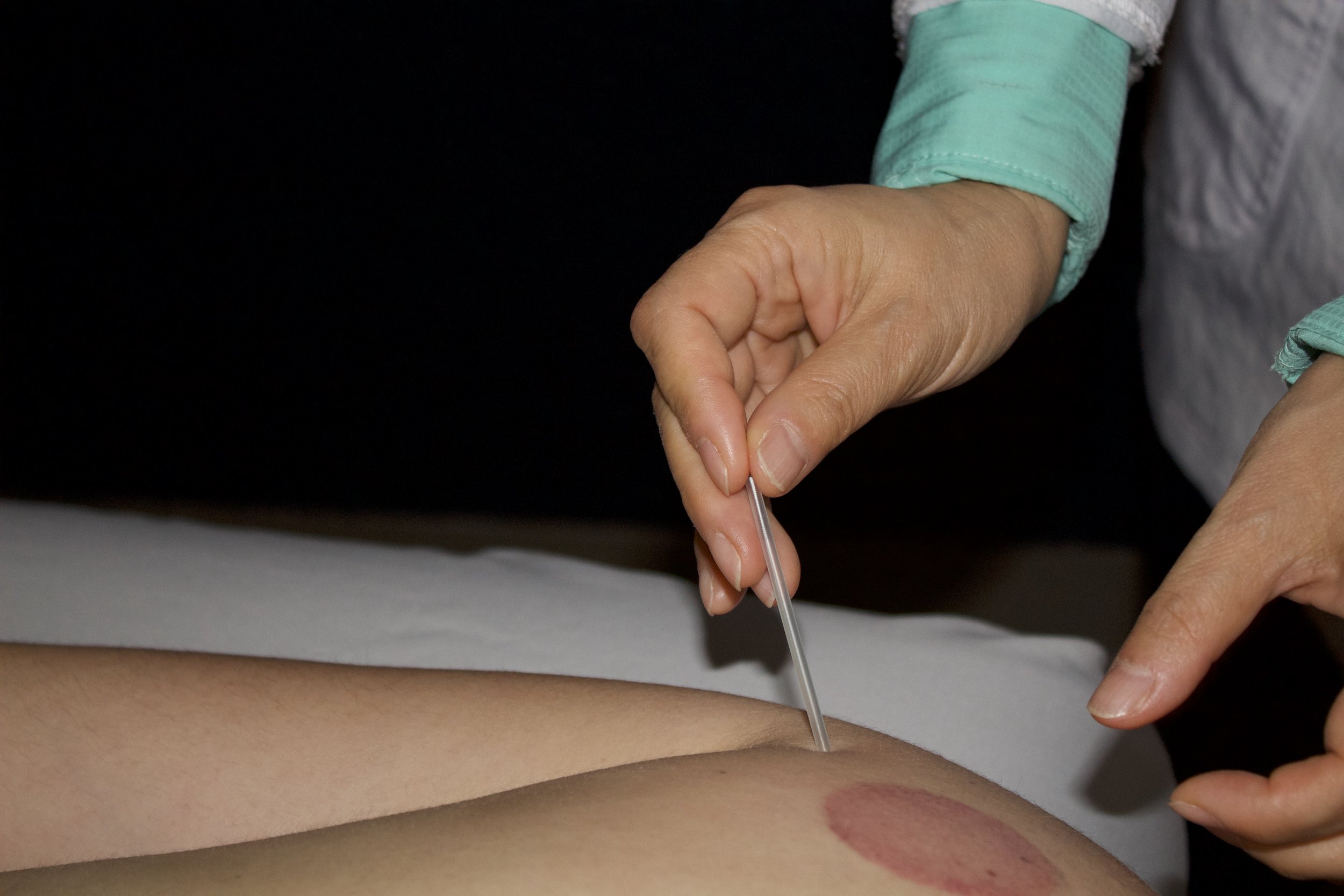
The modern acupuncture needle is made of stainless steel with a handle made of copper or steel. This needle is used to penetrate the skin to activate points along the meridians that run throughout the body. Each needle has a single use and is not only sterile but disposable. Each point used sits on the organ lines and holds specific functions.
When the needle penetrates the skin and hits a point it sends out a signal putting the body in fight or flight. This will send blood rushing to the area clearing things such as blockages along the path to get there. Once a needle is in your practitioner can use manipulation techniques to cause the desired effects which can be to tonify or sedate in terms of Chinese medicine. The needle heals and repairs starting from the outside and going in. It is the most forgiving tool in medicine that started it all.
What To Expect
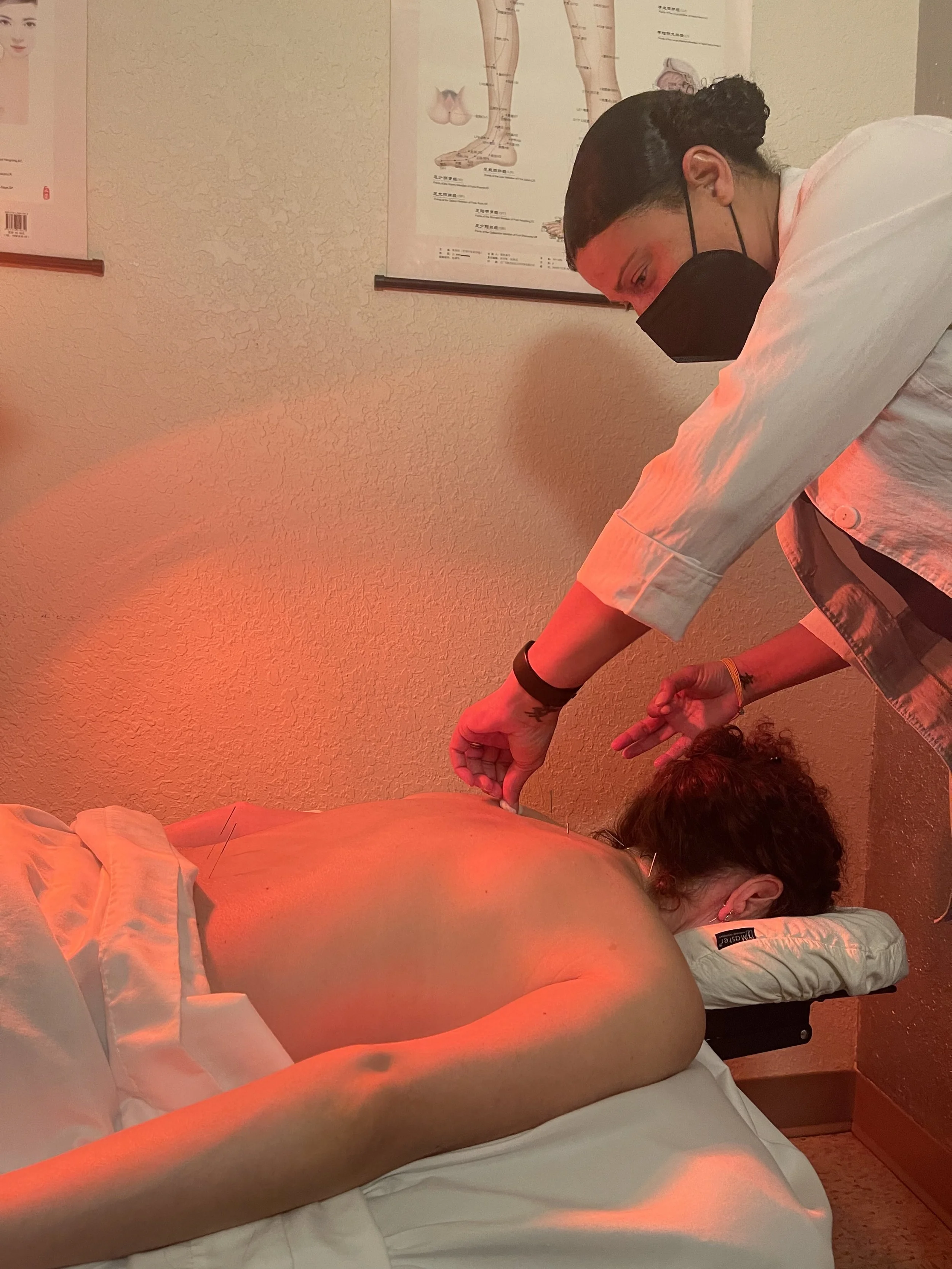
When it comes to acupuncture needles there is nothing to fear. They are so thin that in most cases a patient won’t even feel them go in. What they do feel are the effects that it brings. During an acupuncture treatment the patient will be asked to lie face up or down on an acupuncture table depending on the treatment protocol. Seven meridian pathways flow on the front of our body whereas seven different one’s flow through the back.
Once you are comfortable the area where the needles will be placed are cleaned with alcohol and dried. Your physician in some cases will ask you to take a deep breath as needles are inserted. In less than 5% of cases something called needle shock can occur. Needle shock is a vasovagal response and presents as feeling faint, clammy hands, chilliness, and slight nausea. As uncommon as this is when it does happen the needles are immediately removed and the patient is given goji berries (in the case of Eacuwell), and then monitored. In most cases the patient almost immediately feels better.
This is one of the reasons it is highly recommended a patient eats before treatment. Once the needles are in the treatment can last anywhere from 20-30 minutes. During the needle process one may experience emotional releases, extreme calm, pain relief, euphoria, etc.
Health Benefits of Using Acupuncture Needles
Not only does the power of the needle bring with it pain relief but promotes general and long-term health. Once the needles enter our body, they activate the process of bringing the body back into its preferred state, homeostasis. It’s not only the needle that does this but the intention and knowledge behind it.
The practitioner holds the power to penetrate beyond what they’re working with. The studies, concepts, philosophy, and experience have shaped our practitioners’ abilities to be able to bring health benefits to those suffering from stress, anxiety, PTSD, infertility, allergies, epilepsy, and addiction, and the list continues to be endless. In some cases, the long-lasting effects are felt after only one treatment. In MOST cases it takes up to three treatments to start realizing the power the needle actually holds.
Final Thoughts
Acupuncture and the use of needles are something that seems scary from the trauma of getting vaccinations as children. Knowledge is power and knowing the benefits the needle holds can be the key to making a difference and taking the leap into something that can change your life.
All-year-round Eastern Acupuncture and Wellness along with our non-profit organization Acumantras holds and hosts events where we aim to educate and bring awareness of the benefits of East Asian medicine. Our goal is to provide knowledge to those who may not have had the knowledge or financial resources. Join us on our journey as we aim to educate, help, and heal using acupuncture needles, Chinese medicine, and all that entails.
Eastern Acupuncture And Wellness Plantation:
Eastern Acupuncture And Wellness Wilton Manors:

Acupuncture for Sciatica
Many clients come to Eastern Acupuncture & Wellness when they’ve ran out of options to try healing and easing their sciatica with mainstream medicine.
Many clients come to Eastern Acupuncture & Wellness when they’ve ran out of options to try healing and easing their sciatica with mainstream medicine. Patients suffering from sciatic pain typically describe experiencing the following:
Pain in the buttocks or leg that worsens with sitting
Burning, tingling, or searing pain down the leg
Weakness, numbness or difficulty moving the leg or foot
Constant pain on one side of the buttocks
Shooting, sharp pain making it difficult to stand

Sciatic pain usually affects only one side of the body, with the pain extending from the lower back/ buttocks down the leg. Needless to say- it’s extremely difficult to function when dealing with sciatic pain.
Sciatic pain is a symptom of an underlying medical condition of the lower back area. The sciatic nerve originates in the lower back, runs through the buttocks, and down the back of each leg. Portions of the sciatic nerve branch to various areas of the leg, like the calf or toes. Sciatic pain occurs when there is a structural impingement or compression of the sciatic nerve in the lower back. This occurs when there is an acute injury to the lower back or can be the result of long-term degeneration of the lumbar area. The location of the painful symptoms in the leg depends on where in the lower back the sciatic nerve is being compressed.
Here’s the good news - Acupuncture Can Help !

By inserting small needles into specific sites on the body, the needles trigger a response from the nervous system. This response from the nervous system leads our brain to:
release a cascade of natural painkillers (endorphins and enkephalins),
increase blood flow to the painful area
relax the muscles in the surrounding area
Chinese herbal medicine for sciatic pain

With a full Chinese herbal pharmacy, our patients with sciatic pain can also reap the benefits of Chinese herbal medicine. We custom formulate every herbal preparation for the patient’s specific condition and constitution. To decide which herbs will make up the mixture, we use the following diagnostic techniques:
analyze the patient’s symptoms
measure the pulse
observe the tongue
While each formula will vary depending on the needs of the individual, the herbs listed below are examples of ingredients commonly found in sciatic pain formulas. As a group, these herbs function to alleviate pain, reduce inflammation, and regulate blood flow.
Stop by our location in Plantation, FL or call us for a complimentary consultation to discuss treating your sciatica today.