

Eastern Acupuncture and Wellness Blog

Navigating the Halloween Nutrition Challenge with Healthy Alternatives and Traditional Chinese Medicine Wisdom
Halloween is a beloved holiday filled with costumes, spooky stories, and, of course, delicious treats. While the excitement of Halloween is contagious, it can be a nutritional challenge for parents striving to maintain their children's healthy eating habits. In this article, we'll explore strategies to strike a balance between enjoying Halloween's festivities, preserving children's nutrition, and incorporating wisdom from Traditional Chinese Medicine (TCM).
Halloween is a beloved holiday filled with costumes, spooky stories, and, of course, delicious treats. While the excitement of Halloween is contagious, it can be a nutritional challenge for parents striving to maintain their children's healthy eating habits. In this article, we'll explore strategies to strike a balance between enjoying Halloween's festivities, preserving children's nutrition, and incorporating wisdom from Traditional Chinese Medicine (TCM).
The Halloween Nutrition Challenge
Halloween brings an abundance of sugary temptations that can be hard for kids (and adults!) to resist. From candy bars to colorful gummies and artificially flavored snacks, the holiday seems to revolve around sweet indulgence. However, as parents, we can take steps to ensure that our children's nutrition remains a priority, drawing inspiration from TCM principles.

Healthy Halloween Treat Ideas
One way to approach Halloween nutrition is by offering healthier alternatives to traditional sweets, aligning with TCM's emphasis on balance and natural ingredients:
Homemade Snacks: In TCM, homemade treats prepared with wholesome ingredients align with the principle of balance. Bake homemade cookies or muffins using whole-grain flour and natural sweeteners like honey or maple syrup.
Fresh Fruit: TCM recognizes the importance of incorporating fresh fruits into one's diet for balance. Offer an array of fresh fruits like apple slices with nut butter, fruit kabobs, or mini fruit salads. These options provide natural sweetness along with essential vitamins and fiber.
Dark Chocolate: TCM views dark chocolate with a high cocoa content (70% or more) favorably due to its less sugary nature and potential antioxidant benefits.
Popcorn: In TCM, balance is key. Popcorn can be a healthy whole-grain snack when prepared mindfully. Season it with a sprinkle of nutritional yeast for added flavor.
Yogurt Parfaits: TCM values the balance of flavors and textures. Create yogurt parfaits with layers of yogurt, fresh berries, and a drizzle of honey for a balanced and satisfying treat.
Post-Halloween Nutrition Balance
After the Halloween candy extravaganza, it's essential to restore balance in your child's nutrition, and TCM offers valuable insights to guide this process:

Educating Children about Nutrition, TCM Style
TCM encourages understanding the balance of Yin and Yang energies in food. Take this opportunity to educate your children about the importance of balanced nutrition from a TCM perspective. Explain that while indulging in occasional treats is fun, a healthy diet provides the energy and nutrients needed for growth and overall well-being, maintaining the body's harmony.
Parental Guidance and Role Modeling, Aligned with TCM Principles
As parents, your choices greatly influence your child's eating habits. Be a role model by making nutritious choices and demonstrating moderation in your own consumption of Halloween treats. In TCM, balance is a core principle, and this includes balance in dietary choices.
For more personalized guidance on children's nutrition and holistic health, consider exploring Nutritional Therapy which integrates TCM principles. Our expert practitioners can provide valuable insights and support for maintaining your child's well-being, considering not just what they eat but how it aligns with their overall balance.
For a complimentary consultation and to learn more about our services, book a complimentary consultation today!

Conclusion
Halloween doesn't have to be a nutritional nightmare. By offering healthy alternatives, imparting the importance of balanced nutrition from a TCM perspective, and nurturing your child's well-being holistically, you can ensure that they enjoy the holiday's festivities while maintaining their health and harmony.
Remember, Halloween is not just about the treats; it's also an opportunity to teach your child valuable lessons about making mindful choices, aligning with the wisdom of Traditional Chinese Medicine, and nurturing their overall well-being.
Eastern Acupuncture And Wellness Plantation:
Eastern Acupuncture And Wellness Wilton Manors:

Massage for Heart Health
Maintaining a healthy heart is vital for overall well-being, and while exercise and a balanced diet play key roles, incorporating relaxation techniques can also support cardiovascular health. One such technique is massage therapy, which offers a range of benefits for both body and mind. In this blog, we will explore the potential advantages of massage for heart health, as well as different types of massage and their specific benefits.
Maintaining a healthy heart is vital for overall well-being, and while exercise and a balanced diet play key roles, incorporating relaxation techniques can also support cardiovascular health. One such technique is massage therapy, which offers a range of benefits for both body and mind. In this blog, we will explore the potential advantages of massage for heart health, as well as different types of massage and their specific benefits.
The Link Between Massage and Heart Health:
Massage therapy, when used in conjunction with medical treatment and lifestyle changes, can provide a holistic approach to heart health. Let's delve into some of the potential benefits:
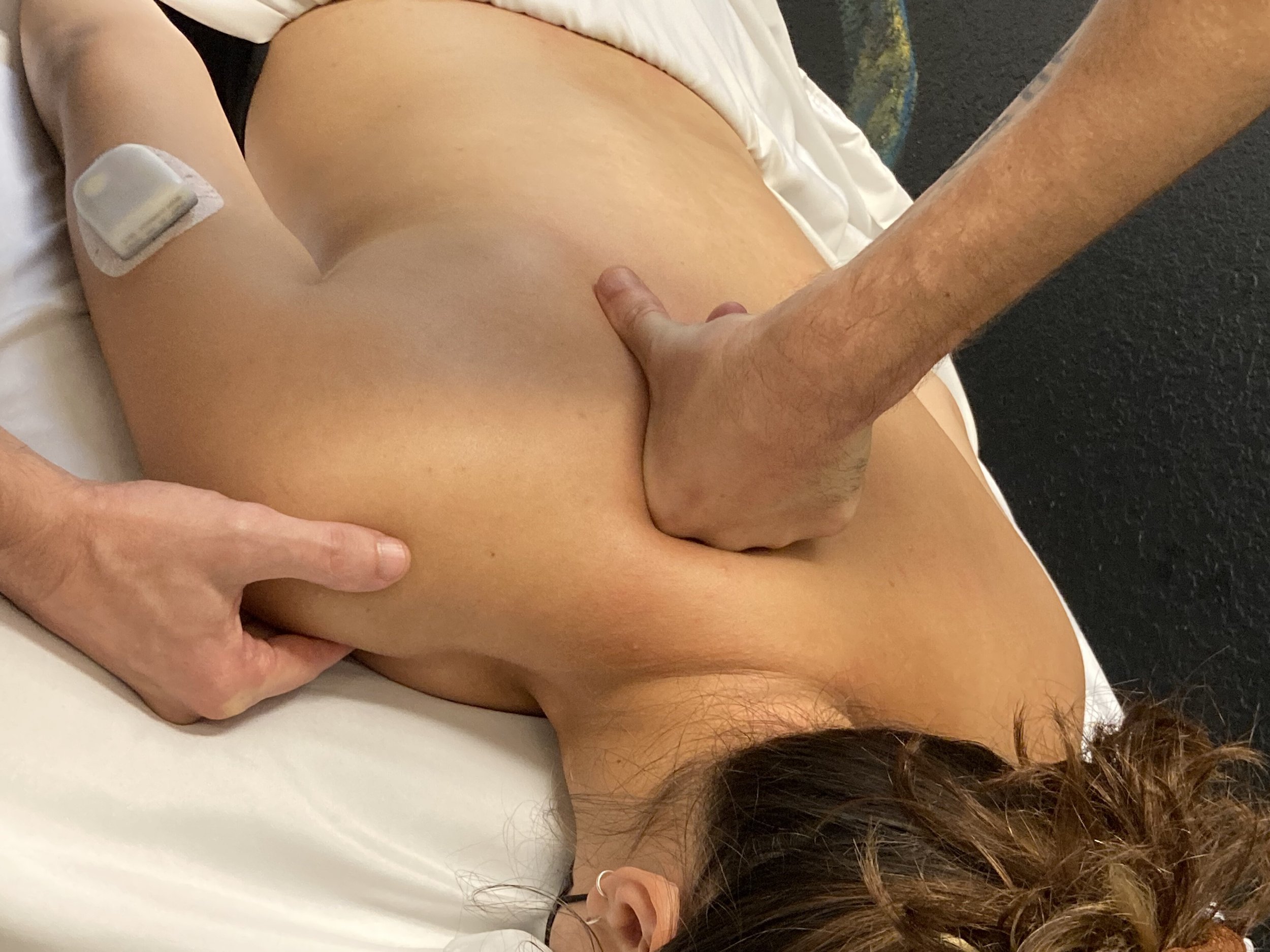
Stress Reduction:
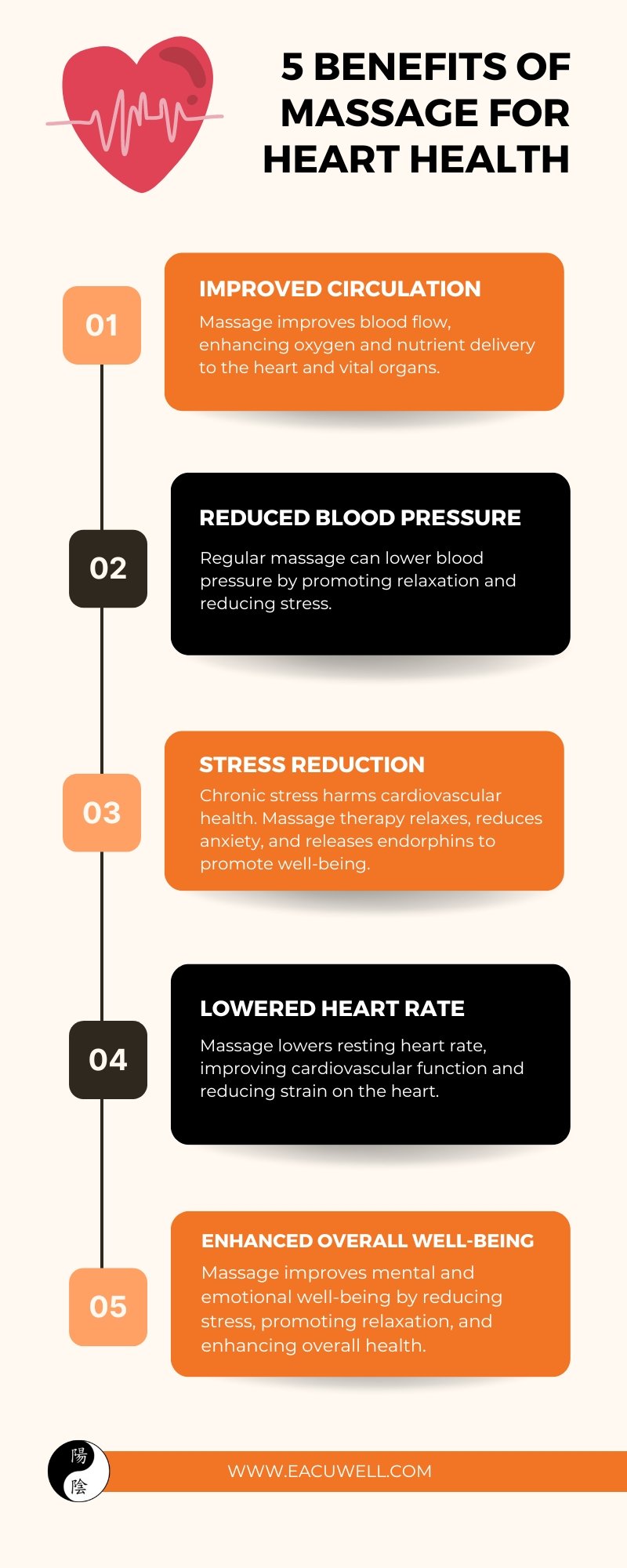
Chronic stress takes a toll on the heart and increases the risk of cardiovascular disease. Massage promotes relaxation, eases muscle tension, and reduces stress levels. By triggering the body's relaxation response, massage helps lower heart rate and blood pressure, indirectly benefiting heart health.
Lowered Blood Pressure:
Studies suggest that regular massage sessions may contribute to reducing blood pressure. High blood pressure is a significant risk factor for heart disease, making the potential blood pressure-lowering effects of massage particularly valuable.
Improved Circulation:
Massage techniques, such as effleurage and kneading, enhance blood flow and circulation throughout the body. By improving the delivery of oxygen and nutrients to the heart and other organs, massage supports overall cardiovascular health.
Inflammation Reduction:
Chronic inflammation plays a role in the development of cardiovascular disease. Certain massage techniques, like lymphatic drainage massage, can help reduce inflammation by improving lymphatic circulation. Reducing inflammation supports heart health and overall well-being.
Types of Massage and Their Heart-Healthy Benefits:
Now, let's explore some popular massage modalities and their specific advantages for heart health:
Swedish Massage:
Using gentle, gliding strokes and kneading motions, Swedish massage promotes relaxation, stress reduction, improved circulation, and may help lower blood pressure.
Deep Tissue Massage:
By targeting deeper muscle layers, deep tissue massage can alleviate muscle tension, chronic pain, and promote relaxation. Stress reduction indirectly benefits heart health.
Sports Massage:
Primarily designed for athletes, sports massage aids in muscle recovery, reduces muscle soreness, and improves circulation, supporting overall cardiovascular health.
Medical Massage:
Medical massage is a specialized form of massage aimed at addressing specific medical conditions. It can help manage pain, improve circulation, and promote relaxation, providing potential benefits for heart health.
Thai Massage:
Thai massage combines assisted yoga stretches, acupressure, and deep compression techniques. It promotes relaxation, flexibility, improved circulation, and may help reduce stress levels, benefiting heart health.
Reflexology:
Focusing on specific points on the feet, hands, or ears, reflexology promotes relaxation and overall well-being. Reducing stress, it indirectly supports heart health.
Conclusion:
While massage therapy alone cannot replace medical treatment or lifestyle changes, it can be a valuable addition to a heart-healthy routine. From stress reduction and lower blood pressure to improved circulation and reduced inflammation, massage offers numerous benefits for cardiovascular health. Remember to consult with a healthcare professional or qualified massage therapist to determine the most suitable type of massage for your individual needs, especially if you have pre-existing heart conditions. Embrace the soothing touch of massage and prioritize your heart health.
Eastern Acupuncture And Wellness Plantation:
Eastern Acupuncture And Wellness Wilton Manors:

Holistic Treatments for Prostate Cancer: A Comprehensive Approach
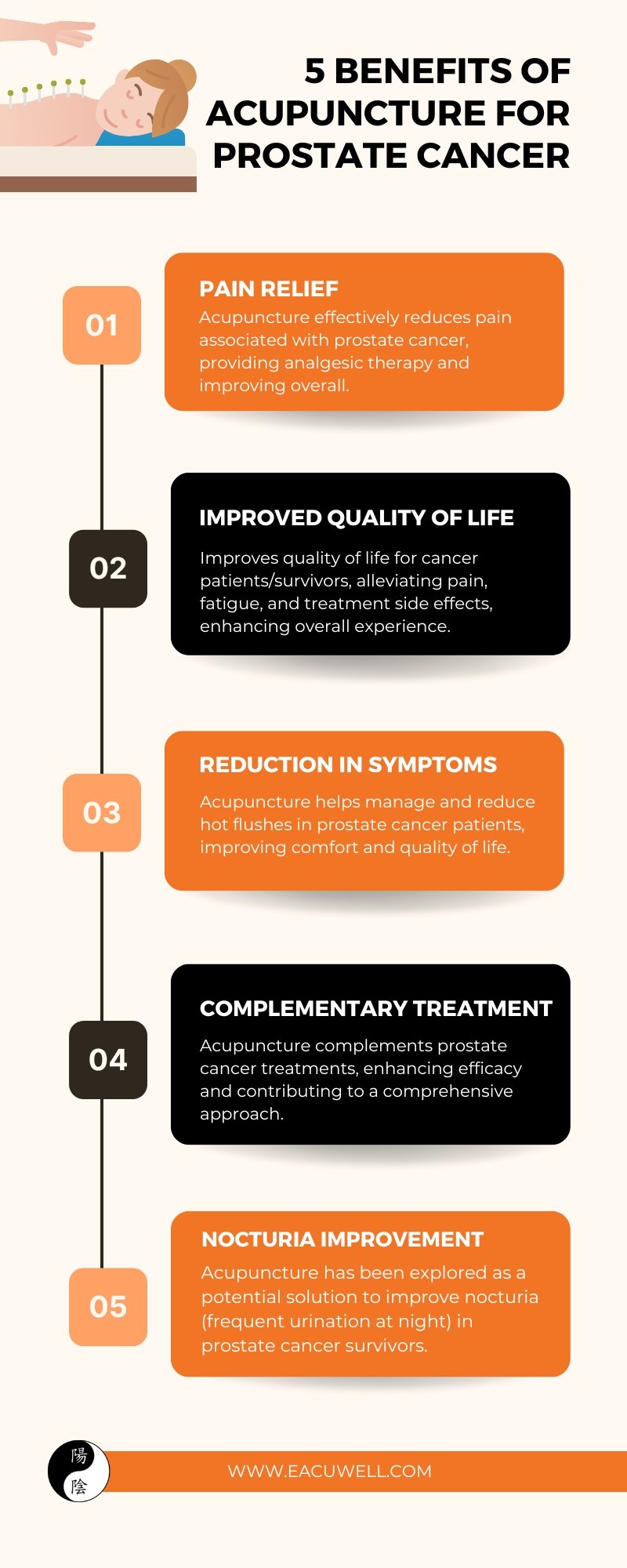
Studies suggest acupuncture has shown beneficial for prostate cancer patients, particularly in managing treatment-related side effects like pain, nausea, and fatigue, it is crucial to acknowledge that the evidence is still limited. A meta-analysis of randomized controlled trials investigating acupuncture for cancer-related pain management indicated that acupuncture may provide mild-to-moderate pain relief
What is Prostate Cancer?
Prostate cancer is a malignant tumor that arises from the cells of the prostate gland, a part of the male reproductive system. It is the second most common cancer in men worldwide, and its prevalence increases with age. Prostate cancer is often slow-growing, and early detection is crucial for successful treatment and management.
What Treatments are Used for Prostate Cancer?
Conventional treatments for prostate cancer aim to eliminate or control the growth of cancer cells. These include surgery, radiation therapy, hormone therapy, chemotherapy, and immunotherapy. These interventions have demonstrated effectiveness in managing prostate cancer at various stages.

Acupuncture and Prostate Cancer
Acupuncture, a key component of Traditional Chinese Medicine (TCM), involves the insertion of fine needles at specific points on the body to restore the balance of energy, known as Qi. By stimulating energy flow and promoting the body's natural healing process, acupuncture aims to alleviate treatment-related side effects such as fatigue, pain, and nausea. Additionally, it helps in reducing stress and anxiety, contributing to an overall improved sense of well-being during the cancer journey.
Studies suggest acupuncture has shown beneficial for prostate cancer patients, particularly in managing treatment-related side effects like pain, nausea, and fatigue, it is crucial to acknowledge that the evidence is still limited. A meta-analysis of randomized controlled trials investigating acupuncture for cancer-related pain management indicated that acupuncture may provide mild-to-moderate pain relief. It is proposed that acupuncture may stimulate the release of endorphins, which are natural pain-relieving substances. A comprehensive approach, integrating the best of both conventional and complementary approaches, can empower patients in their journey toward better health and prostate cancer management.
Holistic Treatments for Prostate Cancer
Holistic treatments aim to address the physical, psychological, and emotional aspects of prostate cancer. Mind-body practices like meditation, yoga, and tai chi can reduce stress and improve overall well-being. These practices may not directly treat cancer but can contribute to better-coping mechanisms and enhance the patient's quality of life.
Massage Therapy for Prostate Cancer
Massage therapy is often sought by prostate cancer patients to alleviate treatment-related symptoms, such as pain, anxiety, and fatigue. Studies have suggested that massage therapy may help reduce anxiety levels and improve sleep quality in cancer patients. It is believed that massage may promote the release of neurotransmitters like serotonin, leading to relaxation and mood improvement.
How Diet and Nutrition Aid in Prostate Cancer Treatments
Diet and nutrition play a significant role in prostate cancer prevention and management. Research has highlighted the importance of a balanced diet rich in fruits, vegetables, whole grains, and healthy fats for reducing the risk of prostate cancer progression. Certain bioactive compounds found in tomatoes, cruciferous vegetables, and green tea have been associated with potential anticancer effects.
For instance, lycopene, a carotenoid present in tomatoes, has been linked to a reduced risk of developing aggressive prostate cancer. Additionally, cruciferous vegetables, like broccoli and cauliflower, contain sulforaphane, which may help suppress cancer cell growth. While diet alone cannot cure prostate cancer, a well-balanced and nutritious diet can contribute to better overall health and possibly support conventional treatment outcomes.
How Does Alternative Medicine Help in the Treatment of Prostate Cancer?
Alternative medicine, also known as complementary and alternative medicine (CAM), encompasses a wide range of practices and therapies that are not part of conventional medical care. Some prostate cancer patients turn to alternative treatments, such as herbal supplements, homeopathy, and naturopathy, with the hope of enhancing their cancer management.
How Holistic Treatments Play a Role in Managing the Side Effects of Cancer Treatments?
Holistic treatments, such as acupuncture, massage therapy, and mind-body practices, may offer supportive care for prostate cancer patients experiencing treatment-related side effects. For example, acupuncture may help alleviate pain and reduce chemotherapy-induced nausea, while massage therapy may contribute to relaxation and stress reduction.
Mind-body practices, including meditation and yoga is something that can be done daily to support the other holistic treatments. These holistic approaches can be beneficial in complementing conventional treatments and addressing the holistic needs of the patients during their cancer journey.
Conclusion
Holistic treatments offer a promising avenue for supporting prostate cancer patients throughout their treatment journey. While conventional treatments remain the cornerstone of prostate cancer management, complementary approaches like acupuncture, massage therapy, and mind-body practices can contribute to enhanced well-being and improved quality of life. A science-based approach, incorporating evidence-based holistic treatments alongside standard medical care, can empower patients in their battle against prostate cancer and foster a comprehensive approach to their health and wellness.
Eastern Acupuncture And Wellness Plantation:
Eastern Acupuncture And Wellness Wilton Manors:

The Power of Touch
The hands are one of the most powerful tools a human can possess. They can create, destroy, and heal all with intention. The human body craves to be touched. We literally need it to be whole. By getting regular manual therapy sessions it can minimize the risk of injury, disease, depression, anxiety, and so much more.
The hands are one of the most powerful tools a human can possess. They can create, destroy, and heal all with intention. The human body craves to be touched. We literally need it to be whole. By getting regular manual therapy sessions it can minimize the risk of injury, disease, depression, anxiety, and so much more. The hands can feel what’s happening beneath the skin to break it up and push it out. It can find blockages from injury or trauma. This trauma can be a physical one or even emotional. The scars of the past can be addressed on both a physical, internal, and emotional level. The willingness to heal comes from within but the work to get there is both an inner and outer body experience. Manual therapies are performed by licensed massage therapists and licensed acupuncturists here at Eastern Acupuncture & Wellness. Our practitioners use their hands to manipulate muscle tissues and joints to alleviate pain and promote healing.

Types of Strokes in Massage Therapy
There are five types of basic strokes in manual and massage therapy. These are used to promote relaxation, relieve tension, and promote healing. Each stroke is used differently to get the best results. These are:
Effleurage
Effleurage is the most used stroke. It’s designed to relax the body. The therapist will use things such as a flat palm, knuckles, forearm, or elbows to provide long gliding movement down or up the muscles. As the muscles are warmed up the pressure usually intensifies.
Petrissage
Petrissage is commonly used, like the other strokes, to increase blood flow. One modality it works best for is lymphatic drainage. Petrissage is a wringing, rolling, or kneading of the tissue. This is done with the therapist's thumbs and knuckles and with an almost pinching method. This is usually used on areas of the body such as the trapezius, gastrocnemius of the calf, and hamstrings.
Friction
Friction is commonly used when a person has a buildup of lactic acid known as a knot. In order to generate warmth below the skin the therapist will rub both hands very fast along a part of the body that they are treating. By creating this warmth, it helps the muscles release making it easier to work out the buildup. A common area for this to be done is on the back around the scapula’s.
Tapotement
Tapotement is a tapping of the skin and muscles. This is done using the fingers, hands, knuckles, and even fists. What this does is stimulate the muscle nerves to release and create circulation. This is used sparingly in a session usually in the beginning or towards the end to wake up those nerve endings and prepare the body for long lasting healing.
Vibration
Vibration is done by the therapist using the heal of the hand or the tips of their fingers. By using a speeded up, back, and forth motion it can trick the muscle into relaxing with as little pressure as possible. This is done on flat areas of the body such as the back.
By using a combination of these strokes your manual therapist can achieve great results with each session. When being treated a difference is made with every visit. The second you step off one of our tables you’ll be able to say you feel better whether it be an alleviation in pain or just feeling lighter than you did when you walked through the doors.
What To Expect During Manual Therapy
Every visit is different depending on the goal of the treatment. One thing that will always remain the same is the quality of care. Each session will start with an evaluation of where you are right now and the goals of where you want to be. Our practitioners will assess and review your medical history to provide you with exactly what you need to get there. After the assessment is over the therapist will give you instructions of how to get on the table and where to put your things before excusing themselves to give the privacy that is necessary. Manual therapists have the gift of not only feeling but hearing with their hands what the body needs. This includes pressure of the strokes. Our therapist will always communicate and adjust the pressure accordingly. Each session can last anywhere from 50 to 90 minutes. Every person is different but a manual therapy session for overall well-being is recommended at least once a month.
What Are the Different Modalities of Manual Therapy?
There are several modalities in the manual therapy world. Not all of them are right for everyone which is why an individual assessment is done on every patient. This doesn’t go for just new patients but for every single patient on every visit. It’s also true that each session can consist of a variety of techniques from each modality. Different ones used here at Eastern Acupuncture & Wellness include:
Neuromuscular Therapy
Focuses on specific problems in the body and providing pain relief.
Myofascial Release
A manual therapy technique that focuses on pain relief that stems from the myofascial tissues.
Reflexology
A modality that applies different amounts of pressure to areas on the hands and feet that correlate to different areas, organs, and systems in the body.
Prenatal Therapy
Therapy given during pregnancy, safe, and effectively – after the first trimester – to help the mother get through the aches and pains of a changing body.
Orthopedic Therapy
A therapy focused on rehabilitation from injury as well as treatment and prevention of musculoskeletal dysfunction and pain.
Shiatsu
A therapeutic bodywork that was developed in japan that utilizes the use of acupressure and unique stretches to open up the channels in the body.
Deep Tissue Therapy
Therapy specialized in using techniques that treat sprains, sports injuries, long term stress build up, musculoskeletal issues, etc.
Stretch Therapy
A therapy used to target specific muscle groups to lengthen and stretch the body.

Final Thoughts
By giving us a call to schedule a consultation you’ll be able to speak with one of our trained practitioners to find out exactly what you need to get your body balanced. On top of the restorative healing, you’ll get here with us. Your therapist can also send you home with tools to get you through until your next treatment. Don’t miss out on the benefits of the power of touch.
Eastern Acupuncture And Wellness Plantation:
Eastern Acupuncture And Wellness Wilton Manors:

Exploring Traditional Chinese Medicine for Lung Repair: A Blend of Ancient Wisdom and Modern Science
When it comes to supporting lung health and facilitating repair, Traditional Chinese Medicine (TCM) offers a unique approach that combines herbal medicine and acupuncture. Rooted in centuries-old practices, TCM provides a holistic perspective on respiratory conditions. In this blog post, we delve into the fascinating world of TCM, exploring the traditional wisdom behind Chinese herbal medicine and acupuncture, while also examining the scientific aspects that shed light on their potential benefits for lung repair.
When it comes to supporting lung health and facilitating repair, Traditional Chinese Medicine (TCM) offers a unique approach that combines herbal medicine and acupuncture. Rooted in centuries-old practices, TCM provides a holistic perspective on respiratory conditions. In this blog post, we delve into the fascinating world of TCM, exploring the traditional wisdom behind Chinese herbal medicine and acupuncture, while also examining the scientific aspects that shed light on their potential benefits for lung repair.
Chinese Herbal Medicine: Nature's Remedies for the Lungs
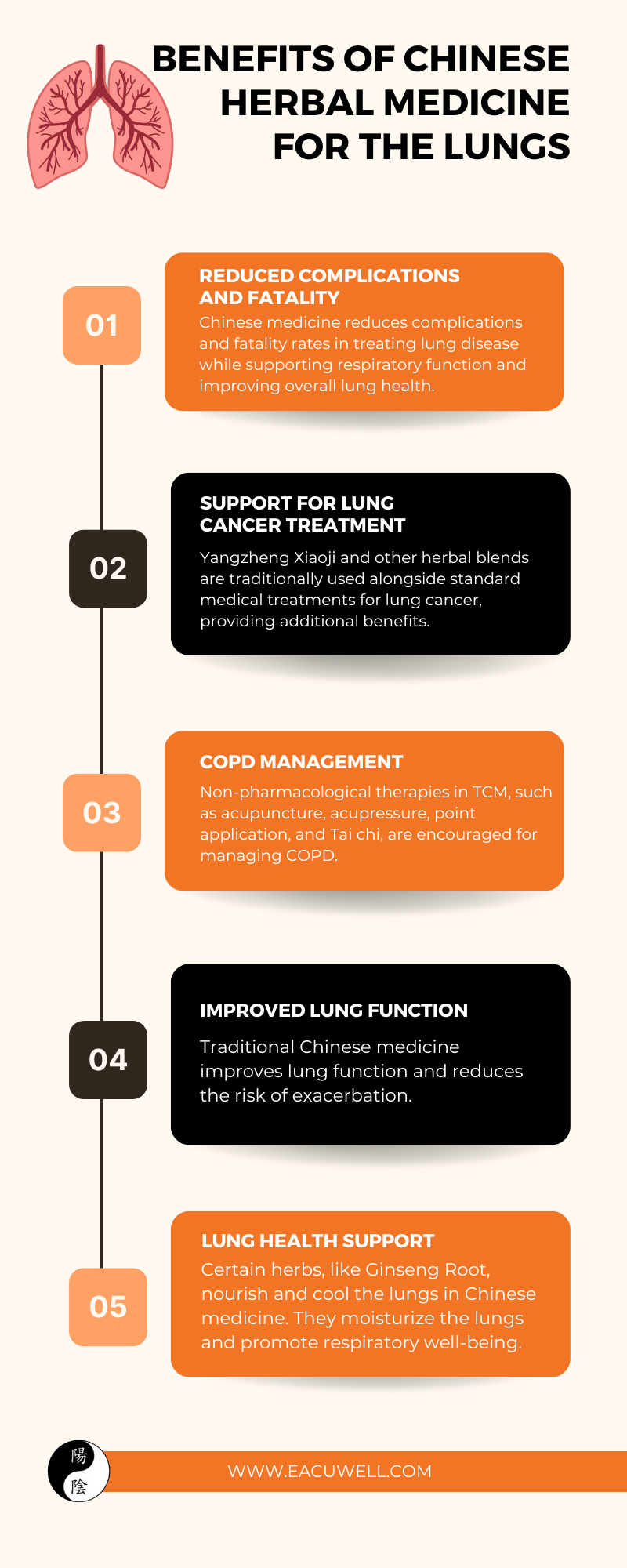
Within TCM, herbs play a vital role in promoting lung health and aiding in the repair process. Let's delve into some key herbs used in TCM for respiratory conditions:
Licorice Root (Gan Cao):
Scientific studies have demonstrated the anti-inflammatory and expectorant properties of licorice root. It contains compounds that help soothe irritated airways and alleviate coughing, making it a valuable herb for respiratory support.
Mullein (Ji Gua):
Mullein has a long history of use in TCM for respiratory ailments. Modern research has shown that mullein possesses antimicrobial properties and may help clear phlegm and relieve congestion, providing relief for individuals with respiratory conditions.
Marshmallow Root (Yi Mi Cao):
Rich in mucilage, marshmallow root has been traditionally used to reduce inflammation in the respiratory system. Its soothing properties may help alleviate irritation in the lungs, providing support for lung repair.

Acupuncture: A Needle's Influence on Lung Health
Acupuncture, a cornerstone of TCM, involves the insertion of thin needles into specific areas on the body. How does this ancient technique relate to lung repair? Let's explore the scientific understanding behind it:
Enhanced Blood Circulation:
Studies have shown that acupuncture can stimulate blood flow to the lungs. Improved circulation aids in delivering oxygen and nutrients to lung tissues, supporting their repair and rejuvenation.
Regulation of the Immune System:
Acupuncture has been found to regulate immune system activity. By modulating immune responses, it may help reduce inflammation in the respiratory system, contributing to the healing process.
Neurological Effects:
Acupuncture stimulates nerve pathways, triggering the release of endorphins and other neurotransmitters. These natural chemicals can have pain-relieving and anti-inflammatory effects, potentially benefiting lung repair.
Bridging Ancient Wisdom with Modern Science
While TCM's traditional knowledge provides a foundation for lung repair, it's crucial to integrate scientific understanding for a comprehensive perspective. Research on Chinese herbs and acupuncture has yielded intriguing findings:
Anti-inflammatory Properties:
Several Chinese herbs used in TCM have been found to possess anti-inflammatory effects. This aligns with TCM's understanding of lung conditions as involving inflammation, validating the use of these herbs for respiratory support.
Clinical Evidence:
Clinical trials have shown promising results for the use of acupuncture in respiratory conditions such as asthma and chronic obstructive pulmonary disease (COPD). Acupuncture has been reported to improve lung function, reduce symptoms, and enhance the quality of life for patients.
Personalized Approach:
One of the strengths of TCM is its personalized approach. By considering an individual's unique constitution and symptoms, TCM practitioners can tailor herbal formulas and acupuncture treatments to address specific lung issues, providing targeted support for repair and healing.
Conclusion:
Traditional Chinese Medicine offers a valuable perspective on lung repair, combining herbal medicine and acupuncture to support respiratory health. While rooted in ancient wisdom, TCM's approach aligns with scientific findings, highlighting the anti-inflammatory properties of Chinese herbs and the physiological effects of acupuncture. By embracing the blend of traditional wisdom and modern science, we can unlock new possibilities in the quest for lung repair and overall well-being.
Please note: It's important to consult with qualified TCM practitioners and healthcare professionals for personalized advice and comprehensive care when addressing serious lung conditions.
Eastern Acupuncture And Wellness Plantation:
Eastern Acupuncture And Wellness Wilton Manors:

What is Intermittent Fasting, and Should I Try it?
Fasting has been around for ages for multiple reasons. The reasons range from losing weight, and mental-emotional health to spiritual growth or just plain discipline as a goal.
Intermittent fasting works on the concept of restricting your eating window to a certain number of hours. During the non-fasting window, you would eat normally and according to your caloric needs.
Intermittent fasting is a pattern of eating that alternates between periods of fasting and non-fasting. Fasting usually involves not eating or drinking anything but water for an extended period of time, typically ranging from 12 to 24 hours. This type of diet has been gaining popularity in recent years due to its potential health benefits.
While intermittent fasting can be beneficial for some people, it is not suitable for everyone. Before starting this type of diet, individuals should discuss their goals and health concerns with one of our physicians.
How does intermittent fasting work?
Fasting has been around for ages for multiple reasons. The reasons range from losing weight, and mental-emotional health to spiritual growth or just plain discipline as a goal.
Intermittent fasting works on the concept of restricting your eating window to a certain number of hours. During the non-fasting window, you would eat normally and according to your caloric needs.
Intermittent fasting and goals are tied to each other. A goal is something I understand, which means these are the actions I am going to take to achieve this specific result. I do this every time I create a treatment plan for a patient. But as we know, there are a lot of variables in life.
This is one of the reasons why intermittent fasting works, it’s eliminating one of the variables.

At What Time Do You Eat When You Intermittent Fast?
The time you choose to eat when intermittent fasting is really up to you. Generally, people tend to pick an 8-hour window in which they will eat, but some may pick a 6 or 4-hour window. The key is to stay consistent and stick to the same eating window each day.
One thing to keep in mind is that the time you pick for your eating window should be based on your lifestyle needs and preferences. If you prefer to eat earlier in the day, you may want to start your fasting window in the evening and end it at breakfast. But if you're more of a night owl, you may prefer to start your window in the morning and end it at dinner.
The body is not going to store fat for energy if it knows when it will be getting fuel/ nutrients on a consistent basis for energy. Fat is stored energy plus toxins. If your body is getting nutrients consistently, it doesn’t need to store energy just in case. Detoxing is getting rid of the things that the body/mind/spirit is holding onto that are not working for us but against us.
Boundaries are a way to detox. When you set a boundary on when you're going to eat, it also makes you look at what you are going to eat and why you want to eat that particular thing. Food is not just nutrients, it is something that we have behavioral, emotional societal, and cultural attachments to.
Ironically, anatomy and physiology connections in our body point us to function in the following structure: the vagus nerve covers the top of the stomach. The vagus nerve is our rest, relaxation, and digestive switch. When it is on, we are enjoying our food and get what we call secondary digestion.
Our food is digested twice; it is called parasympathetic digestion. We are what we eat, but we also break down more of what we enjoy. It leads me to the realization it’s better to have boundaries with which foods you choose to enjoy and when.

Should You Try Intermittent Fasting?
So I decided to try it out. I downloaded an app to see what the buzz was about, and I did learn something big. When we are intentional it does change our whole world because that is what our time, energy, and focus is on that intention.
Focusing your intention in your daily life and habits can make the biggest changes in your overall well-being because it is what we do every day that adds up. Intermittent fasting is a way to not have your system running ON all the time but consistently ON and OFF at specific times, now it can work more optimally.
Weight loss, Anti-aging, mental health, and longevity are all benefits of intermittent fasting. No Wonder my patients can’t stop raving about and getting consistent results. The key is Lifestyle is one of the major causes of disease, anything that helps your lifestyle helps you.
Also, taking the time to focus on yourself is a big part of it. What are you eating, what are you drinking, what are you consuming, when are you sleeping, when are you eating or drinking gives us the much-needed time for a quick check-in.
So, is Intermittent Fasting Right For You?
We can run on fight or flight all day long making sure things are done and not checking in with our body's needs, which can lead to unhealthy consequences. Food cravings, emotional/night eating, overeating, not knowing when full, and no appetite are all consequences of poor self-care. It is time to make time for you, intermittent fasting is one way to start living a longer, healthier life.
I am Dr. Taina Rodriguez with Eastern Acupuncture and Wellness if you like any help with your healing journey.
Thank you for reading my Spilling the Tea with Dr. T
Eastern Acupuncture And Wellness Plantation:
Eastern Acupuncture And Wellness Wilton Manors:

Health Benefits of Cinnamon, Ginger, and Nutmeg
The use of cinnamon, ginger, and nutmeg as home remedies has been popular for centuries. While there is not enough evidence to definitively prove that these spices can effectively treat any medical condition, they may still be worth trying out in moderation if you are looking for a natural remedy.
Cinnamon is a popular spice that has been used for centuries in both cooking and traditional medicine. It is known for its sweet, warm flavor and numerous health benefits. Cinnamon is high in antioxidants, which can protect your body from damage caused by free radicals.
Additionally, studies have shown it may help reduce inflammation, improve brain function, lower blood sugar levels, reduce the risk of heart disease, and even fight bacterial and fungal infections.
Ginger is another popular spice that has been used in traditional medicine for thousands of years. It is known for its strong, distinctive flavor and numerous health benefits. Ginger contains compounds called gingerols, which are anti-inflammatory and can help reduce pain and swelling, improve digestion, and protect against bacterial infections.

Nutmeg is a spice that comes from the seed of an evergreen tree. It has a warm, sweet flavor and is often used in baking and to add flavor to savory dishes.
Nutmeg is high in antioxidants, which can help protect cells from damage caused by free radicals. Additionally, studies have shown nutmeg may help improve brain function, reduce inflammation, and lower blood pressure. It may also help reduce anxiety and improve sleep quality.
Adding a pinch of these spices to your daily diet is worth considering with all these potential benefits.
Where Does Cinnamon Come From?
Cinnamon is a spice that is native to Sri Lanka. The bark of the cinnamon tree has been used for centuries in traditional medicine. Cinnamon is still popular today as a home remedy for many conditions.
Also called "Cinnamomum verum", cinnamon contains the active ingredient cinnamaldehyde, which has antioxidant, anti-inflammatory, and antibacterial effects.
Cinnamon is commonly taken as a tea to help digestion, nausea, and headaches. It is also sometimes added to food to improve flavor and digestion. The cinnamon tastes good and has a warm, comforting effect. Herbalists praise cinnamon's ability to regulate blood sugar levels and improve circulation.

What is Cinnamon Used for in Herbal Medicine?
Cinnamon is a popular ingredient in many foods and drinks and is also available in capsules, tablets, powders, and teas. The recommended dosage depends on the form and reason for taking cinnamon. Be sure to follow package directions and talk to your doctor before taking cinnamon supplements.
The active ingredient in cinnamon is believed to be cinnamaldehyde, which has antioxidant, anti-inflammatory, and antimicrobial effects.
Some of the other conditions that cinnamon may be effective in treating include:
Alzheimer’s disease
Diabetes
Heart disease
Cancer
Other potential benefits of cinnamon include:
Improving Digestion
Reducing inflammation
Relieving muscle pain
Improving circulation
Boosting immunity
Reducing anxiety
Cinnamon is generally considered safe, but it can cause some side effects like heartburn and upset stomach. It can also interact with certain medications, so be sure to speak with your doctor before taking it.
Where Does Ginger Come From?
Ginger is a plant that is native to China. The root of the ginger plant has been used for centuries in traditional medicine. Ginger is still popular today as a home remedy for many different conditions.
The active ingredient in ginger is believed to be gingerol, which has antioxidant, anti-inflammatory, and antimicrobial effects.
Also named “Zingiber officinale”, ginger is most commonly taken as a tea to help with nausea, vomiting, and indigestion. It is also sometimes added to food to improve flavor and digestion. Herbalists praise ginger's ability to relieve pain, inflammation, and congestion.
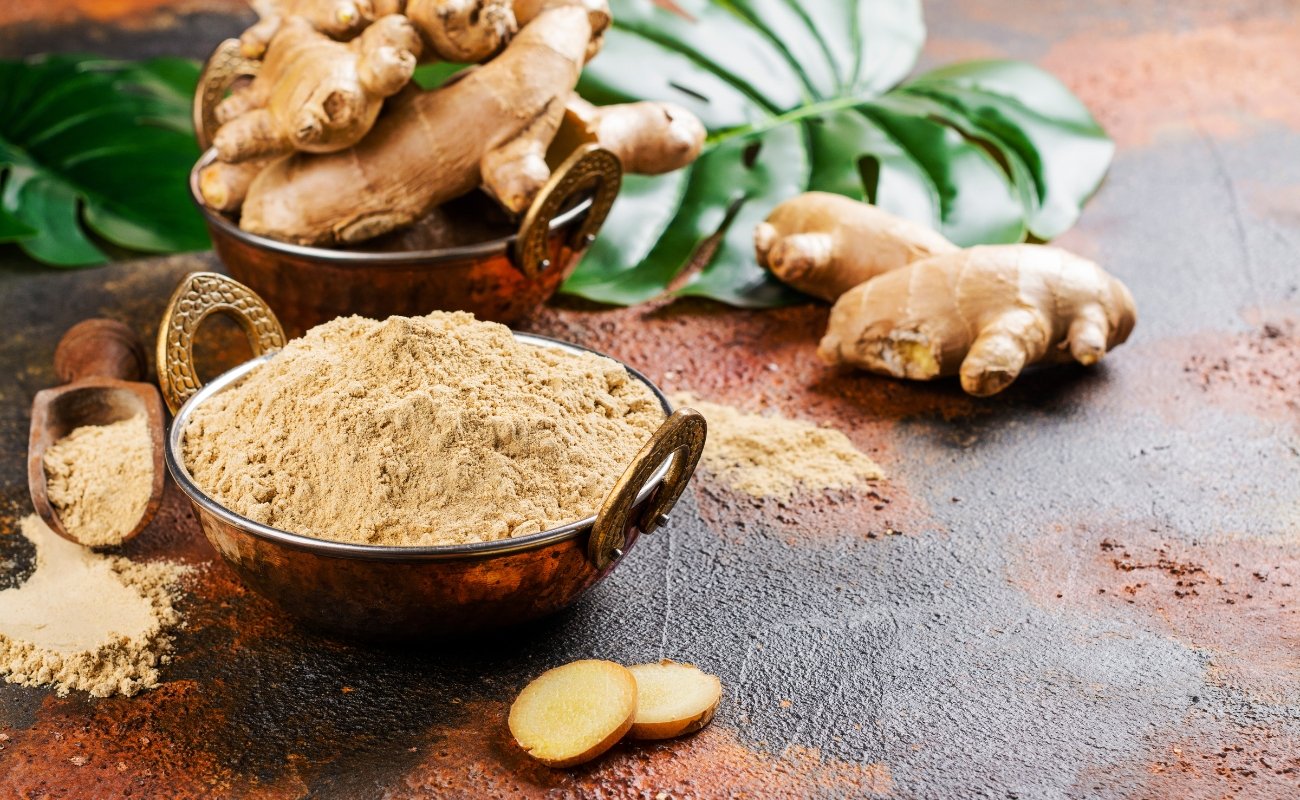
What is Ginger used for in herbal medicine?
Ginger is most popular in Asia and is used in many traditional dishes. The ginger taste is similar to that of cardamom or pepper. It is also available in capsules, tablets, powders, and teas.
The recommended dosage depends on the form and reason for taking ginger. Be sure to follow package directions and talk to your doctor before taking ginger supplements.
Some of the other conditions that ginger may be effective in treating include:
Nausea
Motion sickness
Morning sickness
Inflammation
Arthritis
Other potential benefits of ginger include:
Improving Digestion
Reducing inflammation
Relieving muscle pain
Improving circulation
Boosting immunity
Reducing anxiety
Reducing nausea
Ginger is generally considered safe, but it can cause some side effects like heartburn and upset stomach. It can also interact with certain medications, so be sure to speak with one of our physicians before taking it.
Where is Nutmeg From?
Nutmeg is a spice that is native to Indonesia. The seed of the nutmeg tree has been used for centuries in traditional medicine. Nutmeg is still popular today as a home remedy for many conditions.
The active ingredient in nutmeg is believed to be myristicin, which has antioxidant, anti-inflammatory, and antimicrobial effects.
Nutmeg is also referred to as “Myristica fragrans”. It is most commonly taken as a tea to help with indigestion, nausea, and headaches. It is also sometimes added to food to improve flavor and digestion. Herbalists praise nutmeg's ability to relieve pain, inflammation, and congestion.

What is Nutmeg used for in herbal medicine?
Nutmeg is most popular in Asia and is used in many traditional dishes. The taste of nutmeg is sweet and slightly spicy. It is often used as a flavoring in desserts, baking, and savory dishes.
It is also available in capsules, tablets, powders, and teas. The recommended dosage depends on the form and reason for taking nutmeg. Be sure to follow package directions and talk to your doctor before taking nutmeg supplements.
Some of the other conditions that nutmeg may be effective in treating include:
Nausea
Indigestion
Anxiety
Insomnia
Depression
Nutmeg is generally considered safe, but it can cause some side effects like heartburn and upset stomach. It can also interact with certain medications, so be sure to speak with your doctor before taking it.
In conclusion, the use of cinnamon, ginger, and nutmeg as home remedies has been popular for centuries. While there is not enough evidence to definitively prove that these spices can effectively treat any medical condition, they may still be worth trying out in moderation if you are looking for a natural remedy.
Be sure to consult with one of our physicians before taking any herbal supplements or adding them to your diet.
Eastern Acupuncture And Wellness Plantation:
Eastern Acupuncture And Wellness Wilton Manors:

Exercise Your Freedom of Choice: Embrace Acupuncture as a Healthcare Option this Independence Day
Independence Day, a celebration of our nation's freedom and autonomy, may seem unrelated to acupuncture and traditional Chinese medicine. However, when considering the availability, acceptance, and coverage of acupuncture in the United States, we can observe a fascinating connection between these holistic healthcare options and, the country's commitment to independence, and its evolving healthcare landscape.
Independence Day, a celebration of our nation's freedom and autonomy, may seem unrelated to acupuncture and traditional Chinese medicine. However, when considering the availability, acceptance, and coverage of acupuncture in the United States, we can observe a fascinating connection between these holistic healthcare options and, the country's commitment to independence, and its evolving healthcare landscape.
Exploring Independence and Healthcare:
The United States has long upheld the principles of individual liberty and the right to pursue alternative or complementary treatments. These fundamental values have given rise to a pluralistic healthcare system that recognizes and respects diverse healing traditions. Acupuncture, a cornerstone of traditional Chinese medicine, has flourished in the United States due to its alignment with these principles.
Acupuncture's Emergence and Recognition in the United States:
During the latter half of the 20th century, acupuncture gained significant popularity in the United States. This growth was not only driven by the openness and cultural diversity of the country but also by the increasing recognition of acupuncture as a valuable healthcare modality. Today, acupuncture is recognized by numerous medical associations and regulatory bodies for its efficacy in promoting wellness and addressing various health conditions.
Health Insurance Coverage for Acupuncture:
One notable development in the acceptance of acupuncture is its inclusion in health insurance coverage. As more research supported its effectiveness, health insurance providers recognized the value of acupuncture and began offering coverage for acupuncture treatments. This recognition and coverage have made acupuncture more accessible to a wider population, further integrating it into mainstream healthcare.
The Role of Independence in Expanding Healthcare Choices:
Independence Day serves as a powerful reminder of the values that underpin the American healthcare landscape. In the United States, individuals have the freedom to make choices about their healthcare, and the availability of insurance coverage for acupuncture reflects this commitment to independence and individual liberties. Access to acupuncture treatments allows individuals to explore diverse healing modalities and make informed decisions about their healthcare.
Acupuncture as a Cultural Heritage:
While acupuncture does not have a direct connection to Independence Day itself, it is an integral part of Chinese culture and has been practiced for thousands of years. The ability to embrace and offer acupuncture treatments in the United States demonstrates the country's appreciation for diverse cultural practices and its commitment to inclusivity. Recognizing and covering acupuncture under health insurance is a testament to the evolving understanding and integration of different healing traditions.
The relationship between acupuncture, traditional Chinese medicine, Independence Day, and healthcare coverage is multifaceted. As we celebrate Independence Day, let us appreciate the freedom to explore various healing traditions, including acupuncture. The recognition and coverage of acupuncture under health insurance signify a significant milestone in its acceptance within mainstream healthcare. This development allows individuals to choose acupuncture as a viable treatment option, highlighting the ongoing commitment to independence, individual liberties, and holistic approaches to wellness.
Eastern Acupuncture And Wellness Plantation:
Eastern Acupuncture And Wellness Wilton Manors:

The Synergistic Power of Traditional Chinese Medicine, Acupuncture, and Mental Health Counseling for Common Mental Health Disorders
In recent years, the integration of traditional Chinese medicine (TCM), including acupuncture, and mental health counseling has gained recognition for its potential in addressing common mental health disorders. This blog explores the synergistic effects of combining TCM, acupuncture, and mental health counseling as complementary approaches to enhance mental well-being and alleviate symptoms associated with various mental health disorders.
In recent years, the integration of traditional Chinese medicine (TCM), including acupuncture, and mental health counseling has gained recognition for its potential in addressing common mental health disorders. This blog explores the synergistic effects of combining TCM, acupuncture, and mental health counseling as complementary approaches to enhance mental well-being and alleviate symptoms associated with various mental health disorders.
Understanding Traditional Chinese Medicine (TCM):
TCM is a holistic system of healthcare that emphasizes the balance of Qi (vital energy) and the harmonious functioning of the body, mind, and spirit. TCM includes various modalities such as acupuncture, herbal medicine, dietary therapy, and mind-body practices like tai chi and qigong.
The Role of Mental Health Counseling:
Mental health counseling is a therapeutic approach that aims to improve psychological well-being by addressing emotional and mental challenges. It involves a confidential and collaborative relationship between a trained counselor and the individual seeking support. Mental health counseling provides a safe space for exploring thoughts, feelings, and behaviors while offering coping strategies and promoting self-awareness.
The Scientific Aspect of Acupuncture in Mental Health:
Acupuncture, a key component of TCM, has been studied for its potential effects on various mental health disorders. Scientific research has highlighted several mechanisms through which acupuncture may benefit mental health:
Neurotransmitter Regulation: Acupuncture has been found to modulate neurotransmitter levels in the brain, such as serotonin, dopamine, and GABA, which are implicated in mood regulation and mental health disorders like depression and anxiety.
Endogenous Opioid System Activation: Acupuncture stimulates the release of endogenous opioids, including endorphins, which can enhance mood and alleviate symptoms of depression and other mental health disorders.
Stress Response Modulation: Acupuncture influences the body's stress response system, including the hypothalamic-pituitary-adrenal (HPA) axis, leading to the regulation of stress hormones like cortisol. This modulation can be beneficial for individuals with stress-related disorders, such as post-traumatic stress disorder (PTSD) and generalized anxiety disorder.
Neural Plasticity and Connectivity: Acupuncture has been shown to affect neural plasticity and connectivity in the brain, which can contribute to the regulation of mood, emotional processing, and cognitive function in individuals with various mental health disorders.
The Synergy of TCM, Acupuncture, and Mental Health Counseling:
By integrating acupuncture with mental health counseling, individuals with common mental health disorders can benefit from a comprehensive and integrated treatment approach. The synergistic effects include:
Depression: Acupuncture, combined with mental health counseling techniques, can help regulate neurotransmitters associated with depression, improve mood, and promote emotional well-being. It can also be integrated with evidence-based treatments like cognitive-behavioral therapy (CBT) to address cognitive patterns and develop healthy coping strategies.
Anxiety Disorders: Acupuncture's anxiolytic effects, along with mental health counseling interventions, can assist individuals with anxiety disorders in managing symptoms, reducing excessive worry, and promoting relaxation. The combination of acupuncture and techniques such as mindfulness-based stress reduction or exposure therapy can be particularly beneficial.
Post-Traumatic Stress Disorder (PTSD): Acupuncture, coupled with trauma-informed mental health counseling approaches, can help regulate the stress response system, reduce hyperarousal, and alleviate PTSD symptoms. It may also support the integration and processing of traumatic experiences.
Mood Disorders: Acupuncture, in conjunction with mental health counseling, can aid in regulating mood and emotions in individuals with mood disorders such as bipolar disorder. It can be used alongside medication and psychotherapy to support overall stability and emotional well-being.
The integration of traditional Chinese medicine, acupuncture, and mental health counseling holds significant potential for addressing a range of common mental health disorders. By combining the holistic principles of TCM, the specific effects of acupuncture on the nervous system, and evidence-based mental health counseling techniques, individuals can access a comprehensive and personalized treatment plan that targets the mind, body, and spirit. It is essential to consult qualified professionals experienced in both TCM and mental health counseling to receive optimal care and achieve positive outcomes in managing mental health disorders.
Eastern Acupuncture And Wellness Plantation:
Eastern Acupuncture And Wellness Wilton Manors:

Medical Massage vs. Therapeutic Massage - Which is Best for You?
Medical massage therapists have advanced training and experience that allows them to provide care focused on healing injuries, improving function, or increasing circulation. Medical massage can help with conditions such as back pain, sciatica, piriformis syndrome, strains/sprains, shoulder impingement, headaches, fibromyalgia, arthritis, TMJ dysfunction, plantar fasciitis stroke, neurological conditions and many more can all be effectively treated with medical massage.
What is Medical Massage?
Medical massage therapists have advanced training and experience that allows them to provide care focused on healing injuries, improving function, or increasing circulation. Medical massage can help with conditions such as back pain, sciatica, piriformis syndrome, strains/sprains, shoulder impingement, headaches, fibromyalgia, arthritis, TMJ dysfunction, plantar fasciitis stroke, neurological conditions and many more can all be effectively treated with medical massage.
According to peer-reviewed research, medical massage has been shown to have beneficial effects on varying conditions, including:
Hypertension
Autoimmune conditions including asthma and multiple sclerosis
Immune conditions including HIV and breast cancer
Aging problems including Parkinson's and dementia
Prenatal depression
Preterm infants
Full-term infants
Autism
Skin conditions
Pain syndromes such as the ones mentioned above
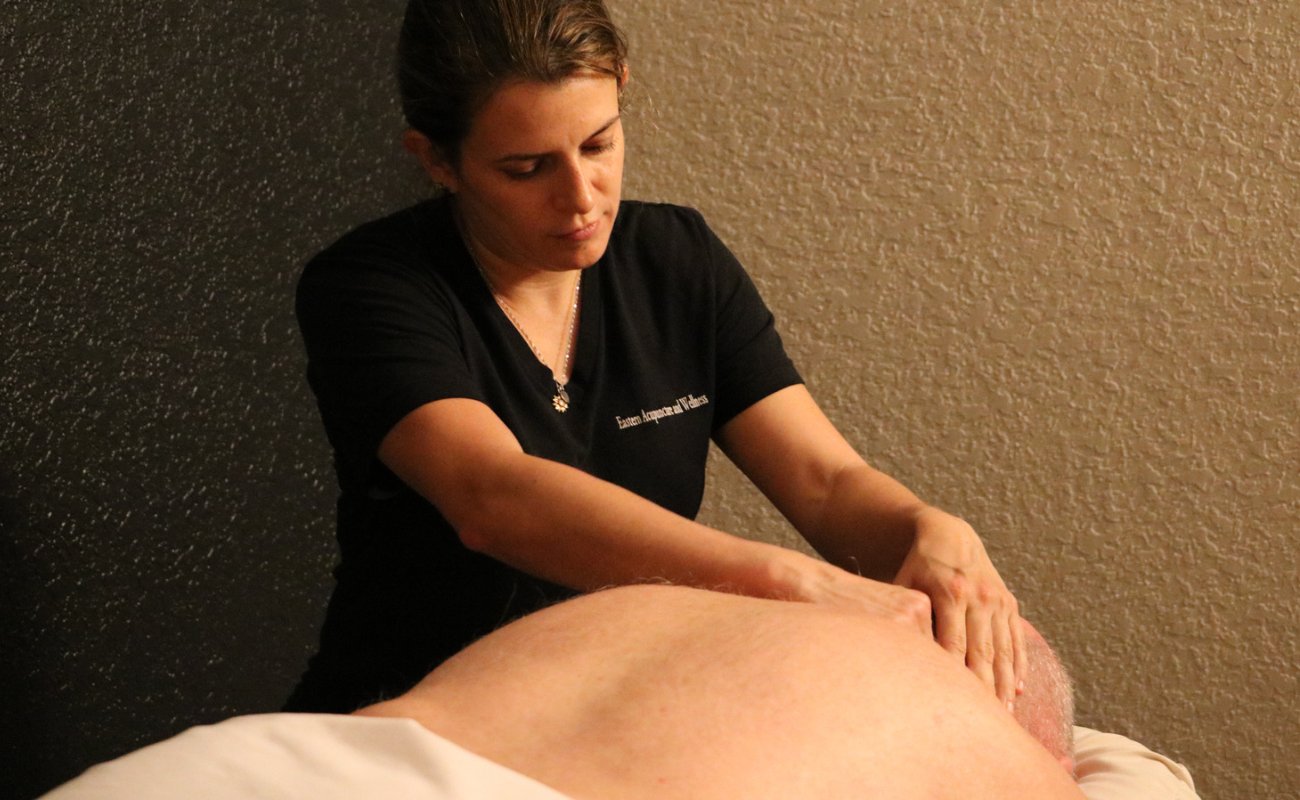
What is Therapeutic Massage?
Therapeutic massage is a type of massage modality that helps relieve pain, reduce stress, and work on a specific concern. People tend to assume therapeutic massage means deep tissue or medical massage, and that they will get a very strong massage.
Therapeutic massage is either a full body (except private areas) or only specific areas that need attention, such as tight muscles or points of pain.
Different Types of Massage
Medical Massage
Acupressure/ Acupuncture
Craniosacral Therapy
Trigger Point Therapy
Thai Massage
Shiatsu Massage
Swedish Massage
Aromatherapy
Craniosacral Therapy
Deep Tissue Massage
Hot Stone Massage
Myofascial Massage
Pregnancy Massage
Reflexology
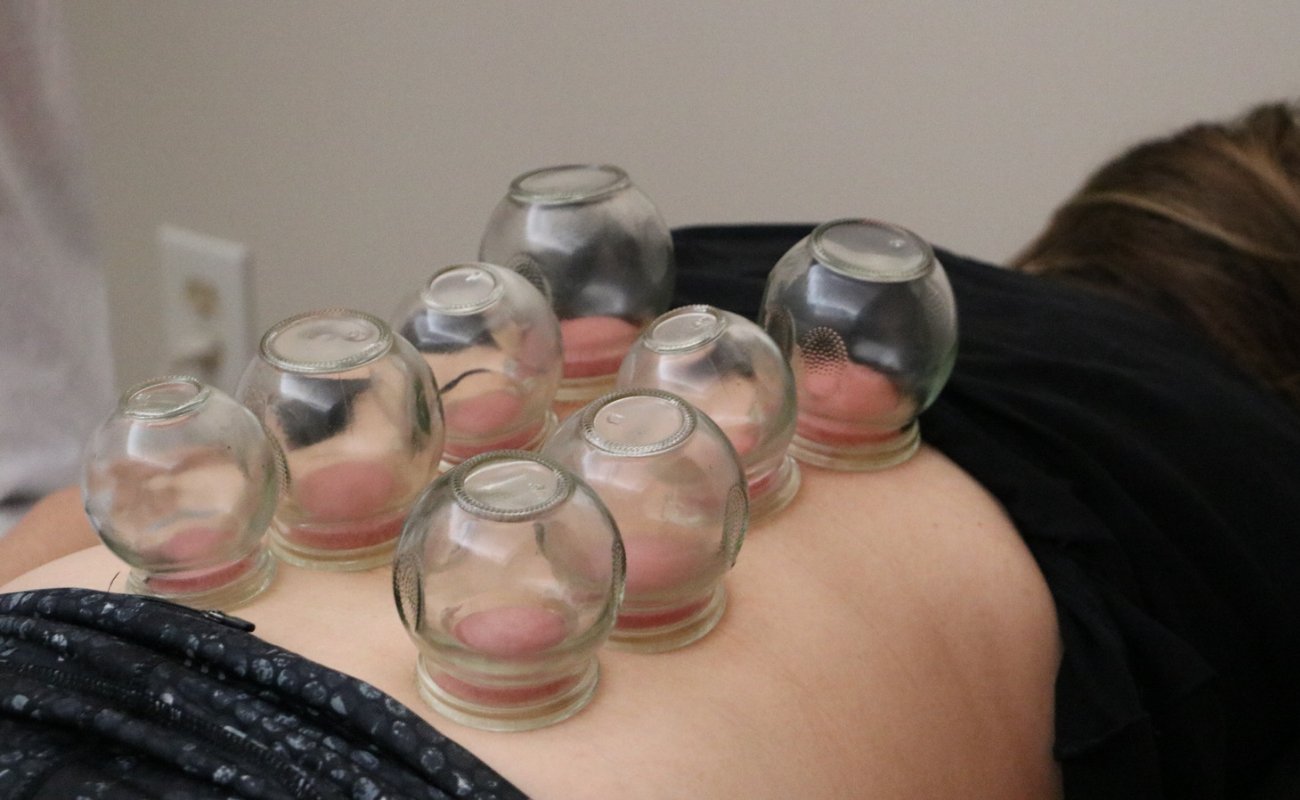
Benefits of Medical and Therapeutic Massage
Here are some additional benefits of medical and therapeutic massage, specific to each type of massage:
Medical Massage:
Improved range of motion and flexibility
Decreased inflammation and swelling
Increased lymphatic flow, which can help boost the immune system
Reduced scar tissue and adhesions
Lowered blood pressure and heart rate
Therapeutic Massage:
Improved posture and alignment
Enhanced athletic performance and recovery
Relief from chronic pain conditions such as fibromyalgia and arthritis
Improved digestion and bowel function
Reduced symptoms of anxiety and depression
It's important to note that medical and therapeutic massage can have different goals and techniques, and they may be used to treat different conditions. It's essential to work with a qualified healthcare provider to determine which type of massage is appropriate for your individual needs and to ensure that the massage is performed by a licensed and trained massage therapist.

How to Decide Between Medical and Therapeutic Massage
Medical Massage: Pain, CT Syndrome, TMJ, Sciatica, Herniated Discs, Scoliosis, Migraines, Muscle Spasms, M.S., Whiplash, Injuries, Chronic muscle tightness/tension, etc.
Therapeutic Massage: Stress, Discomfort, Insomnia, Depression, Fatigue, High Blood Pressure, Muscle tightness/tension, Asthma, etc
There is such a thing as a medical therapeutic massage that focuses on a specific need, and sometimes just a specific area. The focus can be on controlling pain, relieving inflammation, addressing nerve or tissue damage, increasing flexibility, and or managing other health conditions.
Who Can Benefit From Each Type Of Massage?
Anyone who wants to reduce stress levels (cortisol) and increase serotonin, dopamine, and oxytocin, reduce chronic pain and swelling, increase circulation, improve lymphatic drainage, improve sleep, and decrease blood pressure, and the list goes on, can benefit from massage.

Eastern Acupuncture And Wellness Plantation:
Eastern Acupuncture And Wellness Wilton Manors:

Berberine for Weight Loss, Hormone Imbalance, and More
Berberine is a natural compound found in certain plants, including goldenseal, barberry, and Oregon grape. It has been used in traditional medicine for centuries and has been studied for its potential health benefits, including its ability to lower blood sugar and cholesterol levels. Berberine can be obtained from supplements, which are available at most health food stores.
Introduction: Exploring the use of berberine as hepatoprotective and glucose metabolism support.
Most of the food we eat is broken down in the body into sugar also called glucose. The liver and pancreas work together to help regulate the blood sugar levels in the body, known as glucose metabolism. The liver produces, stores, and releases glucose based on the body’s needs, which is instructed by the hormone glucagon and insulin produced by the pancreas. When glucose levels rise in our bodies, it signals the pancreas to produce more insulin. When this happens to the body, the pancreas must work harder and try to keep up with the demand. Over time this can lead to the development of type 2 diabetes where the body cannot regulate blood sugar levels. Type 2 diabetes is where the body has become insulin resistant, or the pancreas does not produce enough insulin.
According to the CDC, about 90-95% of people with diabetes have type 2 (CDC, 2022). When high blood sugar levels remain in the bloodstream or type 2 diabetes is left untreated, this can also lead to kidney disease, heart disease, and vision loss. Poor liver health is related to poor pancreas health, which leads to poor overall health.
Diabetes: An American Epidemic
According to the World Health Organization, diabetes was the ninth leading cause of death with an estimated 1.5 million deaths directly caused by diabetes (WHO, 2022). According to The American Diabetes Association, diabetes is a growing epidemic with 32 million Americans already having diabetes and 88 million more having pre-diabetes (ADA, 2022). According to the American Cancer Society, about 62,000 people will be diagnosed with pancreatic cancer in 2022 and about 49,000 will die of pancreatic cancer (American Cancer Society, 2022). Also, according to the American Cancer Society pancreatitis and type 2 diabetes are common risk factors for pancreatic cancer. Liver diseases like fatty liver and cirrhosis can also cause the body to become insulin resistant and unable to use insulin properly. There is an increasing amount of research showing the correlation between diabetes and pancreatitis. In a meta-analysis, cohort study, diabetes has been shown to be an increased risk of acute pancreatitis (Aune et al., 2020).
The need for more research is demonstrated in the ongoing trials for cardiovascular disease safety in antidiabetic drugs (Aldossari K. K., 2018). Several antidiabetic drugs may have an increased risk of cardiovascular complications and recent research shows that long-term antidiabetic drugs increase the risk of cancer compared to diabetics who do not use them (Liu et al., 2019). According to the American College of Cardiology, several new hypoglycemic medications are being studied for their effects on cardiovascular disease because cardiovascular disease is the leading cause of death among patients with diabetes (American College of Cardiology, 2022). The numbers and statistics reported by the CDC, WHO, ADA, and the American Cancer Diabetes Association make for a compelling case to find alternatives and more resources to help fight the spread of diabetes and liver diseases.
What is Berberine?
Berberine is a natural compound found in certain plants, including goldenseal, barberry, and Oregon grape. It has been used in traditional medicine for centuries and has been studied for its potential health benefits, including its ability to lower blood sugar and cholesterol levels. Berberine can be obtained from supplements, which are available at most health food stores.
In more specific terms, Berberine is an isoquinoline alkaloid and is said to have many pharmacological actions such as antibacterial, hypoglycemic, anti-inflammatory, anti-fibrosis, anti-cancer, and oxidation resistance (Zhou et al., 2020). Berberine, extracted from Coptis Root, has been frequently used for the adjuvant treatment of type 2 diabetes mellitus, hyperlipidemia, and hypertension in China for years (Lan et al., 2014). This review will investigate these studies to show the effects of berberine on the liver and the body and also berberine’s effect on the body’s regulation of glucose metabolism.
What are the Benefits of Berberine?
Here are some potential benefits of Berberine for various health conditions:
Weight Loss: Berberine has been shown to help promote weight loss by increasing metabolism, reducing insulin resistance, and decreasing fat storage.
Hormone Imbalance: Berberine can help regulate hormones such as insulin, estrogen, and testosterone. It has been studied for its potential to improve symptoms of conditions such as polycystic ovary syndrome (PCOS) and metabolic syndrome.
Anti-inflammation: Berberine has anti-inflammatory properties, which can help reduce inflammation in the body and may benefit conditions such as arthritis and inflammatory bowel disease.
PCOS Treatment: Berberine may be beneficial for women with PCOS, as it has been shown to improve insulin resistance and menstrual cycle irregularities. It may also help reduce symptoms such as hirsutism (excess hair growth) and acne.

Other potential benefits of berberine include:
Improved heart health by reducing cholesterol levels and blood pressure
Enhanced immune function by reducing inflammation and boosting white blood cell activity
Improved gut health by reducing inflammation and promoting the growth of healthy gut bacteria.
It's important to note that while berberine has shown promise for various health conditions, more research is needed to fully understand its effects and potential side effects. It's essential to work with a healthcare provider to determine if berberine is appropriate for your individual needs and to ensure safe and effective use.
Research Suggests The Powerful Benefits of Berberine
Berberine is said to reduce the risk of glucose intolerance, inflammation, oxidative stress, and liver diseases.
Methods
Databases searched for this review included PubMed, Google Scholar, and Cochrane Library. Terms used for this narrative review included berberine and liver, berberine and hepatoprotective, and berberine and diabetes. These search terms were used because this review focuses on the effects of berberine on the liver and glucose metabolism. The time period searched was from January 2008 to June 2022. The search included berberine and diabetes produced 78 results in Cochrane Library and 68 results in PubMed. The search of berberine and liver produced 62 results in PubMed and 56 results in Cochrane Library. The search of berberine and hepatoprotective produced 6 results in PubMed and 2 results in Cochrane Library. The search of berberine and liver produced 19,400 results in Google Scholar. Berberine and diabetes produced 18,600 results in Google Scholar and berberine and hepatoprotective produced 8,700 results. The search was narrowed using these terms because of the extensive research published about berberine’s effect on the body and glucose metabolism. The search did not include berberine alone as this would have been too broad.
Clinical Trials Discussion
A review of a randomized, parallel-controlled, clinical trial showed effective results for the use of berberine as a hepatoprotective supplement (Yan et al., 2015). This trial was conducted in three medical centers with a total of 184 eligible patients with non-alcoholic fatty liver disease. These patients were enrolled and randomly divided into; lifestyle intervention (LSI), LSI plus pioglitazone (PGZ) 15mg per day, and LSI plus BBR 0.5g three times a day, respectively, for 16 weeks. Berberine improved Non-Alcoholic Fatty Liver Disease and related metabolic disorders. The therapeutic effect of Berberine on NAFLD may involve a direct regulation of hepatic lipid metabolism (Yan et. al., 2015). According to the calculation of sample size for studies using t-TESTS, this randomized control trial was a larger trial compared to the other studies, conducted in this review (Elmore et al., 2020). This trial had a sufficient participation rate which showed the effectiveness of berberine. This trial of 16 weeks also showed a practical analysis of inadequate time. Although this trial showed effective results in 16 weeks, to fully understand the functions of berberine on a long-survival disease such as NAFLD, research would be needed for a much longer period.

Short-Term Experimental Research With Multiple Flaws
Published in the Nutrition Journal dated April 1, 2015, was research showing the short-term effects of a combined nutraceutical on insulin sensitivity, lipid level, and indexes of liver steatosis (Cicero, et al., 2015). This double-blind, placebo-controlled, randomized clinical trial was carried out in 40 moderately hypercholesterolemic subjects with metabolic syndrome. The study consisted of a cross-over designed trial of 18 weeks of diet stabilization in which patients received standard behavioral and qualitative dietary suggestions to correct unhealthy eating habits. The aim of the study was to evaluate the short-term metabolic effects of a combined nutraceutical containing berberine and chlorogenic acid on overweight subjects with mixed hyperlipidemia.
The numerous flaws of this study started with the very small sample size with regard to the cross-over design of the trial. The sample size was 40 subjects in total and then the sample was divided into two more groups consisting of nutraceutical and diet treatment as opposed to the placebo diet group. The disadvantage of this randomized control trial was the external validity. It may be unclear what population is represented by the remaining people in a randomized control trial once the study groups have been constructed and the various possible participants have been eliminated according to the research's exclusion criteria (Elmore et al., 2020).
Although longer than all the other trials in this review, the short duration of this trial, should have a follow-up with a minimum of 6 months to a year for a thorough analysis. The third flaw was the general dietary suggestions based on not overeating as opposed to a more strict uniform guideline. Both groups experienced a significant decrease in body weight, BMI, and waist circumference without significant differences between the treatments. The fourth flaw of the study was not evaluating the degree of liver steatosis, this is a common flaw in all the trials within this review.
Human Body’s Ability To Digest Suggests More Research
In a Chinese review of the biological properties and clinical applications of berberine published in 2020, berberine showed to improve various diseases including digestive diseases, cardiovascular diseases, cancer, and metabolic disorders (Song et al., 2020). The glucometabolic use of berberine showed positive results in humans but the lipid metabolism trials were done on rats. The metabolic disorders referenced within this review researched only rat trials and included none on humans. According to neuroscientist, Denes V. Agoston the basal metabolic rate of a rat is 6.4 times faster than humans (Agoston, 2017). This would be insufficient evidence showing the effectiveness of berberine on metabolic disorders in humans, these studies should be done on humans as were in other trials within this review.
Beneficial Metabolic Effects From Berberine Supplementation
Berberine showed good and promising results in a recently published review of its therapeutic effects on metabolic diseases (Xu et al., 2021). A great advantage of this review was the extensive research referencing 60 different trials. Upon looking at this review it is noticeable that the studies it references are smaller compared to the RCT done by Yan et al., 2015. This review had sample sizes ranging from 12 to 60 compared to the 187 sample sizes done by Yan’s control trail. This review had 1 trial with 100 participants, but this study was singular and had almost double the participants compared to the other studies within the review. The duration of these studies ranged greatly from 1 month to 6 months. These times all showed the benefits of berberine as a hepatoprotective and glucose metabolism supplement. The one-month studies are insufficient time especially compared to the other trials.
Lower Blood Sugar Levels Accomplished: More Research Suggested On Diverse Ethnic Groups
In a pilot study published in 2008, berberine showed to significantly decrease HbA1c levels in diabetic patients (Yin et al., 2008). 74 Chinese patients successfully participated in this study, one group received berberine and the other received metformin in a 3-month trial. While both groups saw a decrease in their HbA1c, functional liver or kidney damage was not observed for all patients. To complete the functionality against metformin, liver and kidney status would need to be monitored and 3 months would not be sufficient time to show the complete function. Another disadvantage of this study was the undiversified ethnic group. This study was done on Chinese patients alone. To fully understand the success of berberine on diabetes a more diverse ethnic population would need to be studied.
Trial Presents Berberine Benefits To Treat Diabetes Patients Despite Trial Flaws
A phase 2 randomized control trial of berberine on patients with fatty liver disease and type 2 diabetes showed improvement in glycemic metabolism and liver function (Harrison et al., 2021). One group of 100 obese patients was treated with berberine and heavily treated with other agents both before and during the study period of this 90-day trial. The first flaw of this study was the other agents were accounted for and could also influence glycemic metabolism and liver function results. Compared to the other trials reviewed this 90-day trial is not sufficient for a thorough analysis. 51 subjects completed the trial, and the treatment codes and datasets were not publicly available to analyze making this study questionable. The results were not shared with the sponsors or investigators and the sample size decreased significantly. Another flaw of this study was the safety set consisted of subjects receiving just one dose of the study treatment and missing data was said to be accounted for. This trial also states conflicts of interest with numerous pharmaceutical drug companies and grants research support. In general, these trials only publish studies that show results that are favorable to them.
Promising Results of Berberine as an effective Supplement for Glucose Metabolism And Liver Protection
In the future, more research and in-depth clinical studies are needed to support the clinical application of berberine. This review did show promising results of berberine as an effective supplement for glucose metabolism and liver protection. In the study published in Theranostics, it was discovered that berberine showed low bioavailability due to its poor oral absorption and extensive metabolism as the main obstacles to the practical application of this plant as a supplement (Feng et al., 2019).
In the course of medical treatment, many challenges emerge such as medication resistance. Metabolic and liver diseases are chronic illnesses that require long-term ongoing management. Therefore, evidence from further clinical research should be conducted, especially long-term studies. None of these trials were done for longer than 6 months. A thorough understanding of berberine for the use of liver protection would require more time.

Learn More About The Beneficial Effects of Traditional Chinese Medicine
The purpose of this article is to educate about the potential beneficial effect and potential adverse effects of using a natural plant product such as Berberine to treat human subjects dealing with various health problems. As mentioned prior, this objective analysis of trials and research does incentivize improved systematic reviews, as the evidence suggests there are flaws in health markers.
Discuss The Beneficial Effects of Implementing Herbal Medicine With A Board-Certified Physician
Berberine can be taken in supplement form, typically in capsule or tablet form. The recommended dosage can vary depending on the individual's health needs and the specific brand of supplement. It's important to consult with a healthcare provider or a certified practitioner to determine the appropriate dosage and ensure the safe and effective use of berberine. They can also advise on potential interactions with other medications and supplements. It's also essential to follow the manufacturer's instructions and only purchase supplements from reputable sources.
Despite these challenges at Eastern Acupuncture And Wellness, we are delighted to know and share the increase in clinical trials in relation to Traditional Chinese Medicine. We encourage you to learn more about what Herbal Medicine and Traditional Medicine can do for you. You can do this by meeting with one of our Board Certified Chinese Medicine Doctors in person or online. As a new patient, you can claim a Complimentary 20 Minute Consultation with our licensed specialists.
If you prefer to learn by reading about the subject, we welcome you to continue accessing our educational blog regarding these wellness topics and more. In our blog, you will see that we discuss:
Weight loss
Positive lifestyle changes
How to improve blood sugar levels
The anti-inflammatory effects of TCM
Other natural ways to treat diabetes
Effective ways to treat PCOS
And more Integrative Medicine topics!
We appreciate you taking the time to read this far and hope to have you back here soon, we are your holistic approach to wellness. Your support means a lot, so feel free to share this educational health and wellness information with your friends or relatives.
About The Author of This Narrative Review
Dr. Lisa Shields | Herbal Medicine and Acupuncture Physician at Eastern Acupuncture And Wellness
Lisa Shields graduated from Oregon College of Oriental Medicine with her master’s degree. She then received her doctorate degree from the Pacific College of Oriental Medicine. She is licensed in acupuncture and herbal medicine by the National Certification Commission for Acupuncture and Oriental Medicine (NCCAOM) and the Oregon and Florida medical board. Learn more about the specialties and background of Dr. Lisa Shields by visiting her practitioner profile here.

Eastern Acupuncture And Wellness Plantation:
Eastern Acupuncture And Wellness Wilton Manors:
References
World Health Organization. (n.d.). Diabetes. World Health Organization. Retrieved June 5, 2022, from https://www.who.int/news-room/fact-sheets/detail/diabetes
Pancreatic cancer. American Cancer Society. (n.d.). Retrieved June 5, 2022, from https://www.cancer.org/cancer/pancreatic-cancer.html
Statistics about diabetes. Statistics About Diabetes | ADA. (n.d.). Retrieved June 5, 2022, from https://www.diabetes.org/about-us/statistics/about-diabetes
Diabetes and cardiometabolic disease. American College of Cardiology. (n.d.). Retrieved June 5, 2022, from https://www.acc.org/clinical-topics/diabetes-and-cardiometabolic-disease
Aune, D., Mahamat-Saleh, Y., Norat, T., & Riboli, E. (2020). Diabetes mellitus and the risk of pancreatitis: A systematic review and meta-analysis of Cohort studies. Pancreatology, 20(4), 602–607. https://doi.org/10.1016/j.pan.2020.03.019
Agoston, D. V. (2017). How to translate time? the temporal aspect of human and rodent biology. Frontiers in Neurology, 8. https://doi.org/10.3389/fneur.2017.00092
Cicero, A. F. G., Rosticci, M., Parini, A., Morbini, M., Urso, R., Grandi, E., & Borghi, C. (2015). Short-term effects of a combined nutraceutical of insulin-sensitivity, lipid level and indexes of liver steatosis: A double-blind, randomized, cross-over clinical trial. Nutrition Journal, 14(1). https://doi.org/10.1186/s12937-015-0019-y
Elmore, J. G., Wild, D., Nelson, H., & Katz, D. (2020). Jekel's Epidemiology, Biostatistics, Preventive Medicine, and Public Health (5th ed.). Elsevier.
Feng X;Sureda A;Jafari S;Memariani Z;Tewari D;Annunziata G;Barrea L;Hassan STS;Šmejkal K;Malaník M;Sychrová A;Barreca D;Ziberna L;Mahomoodally MF;Zengin G;Xu S;Nabavi SM;Shen AZ; (n.d.). Berberine in cardiovascular and metabolic diseases: From mechanisms to therapeutics. Theranostics. Retrieved June 22, 2022, from https://pubmed.ncbi.nlm.nih.gov/31037148/
Harrison, S. A., Gunn, N., Neff, G. W., Kohli, A., Liu, L., Flyer, A., Goldkind, L., & Di Bisceglie, A. M. (2021). A phase 2, proof of concept, randomised controlled trial of berberine ursodeoxycholate in patients with presumed non-alcoholic steatohepatitis and type 2 diabetes. Nature Communications, 12(1). https://doi.org/10.1038/s41467-021-25701-5
Liu, Y.-C., Nguyen, P.-A., Humayun, A., Chien, S.-C., Yang, H.-C., Asdary, R. N., Syed-Abdul, S., Hsu, M.-H., Moldovan, M., Yen, Y., Li, Y.-C. (J., Jian, W.-S., & Iqbal, U. (2019). Does long-term use of antidiabetic drugs changes cancer risk? Medicine, 98(40). https://doi.org/10.1097/md.0000000000017461
Aldossari K. K. (2018). Cardiovascular outcomes and safety with antidiabetic drugs. International journal of health sciences, 12(5), 70–83.
Wang, K., Feng, X., Chai, L., Cao, S., & Qiu, F. (2017). The metabolism of berberine and its contribution to the pharmacological effects. Drug Metabolism Reviews, 49(2), 139–157. https://doi.org/10.1080/03602532.2017.1306544
Bansod, S., Saifi, M. A., & Godugu, C. (2021). Molecular updates on berberine in liver diseases: Bench to bedside. Phytotherapy Research, 35(10), 5459–5476. https://doi.org/10.1002/ptr.7181
Song, D., Hao, J., & Fan, D. (2020). Biological properties and clinical applications of Berberine. Frontiers of Medicine, 14(5), 564–582. https://doi.org/10.1007/s11684-019-0724-6
Xu, X., Yi, H., Wu, J., Kuang, T., Zhang, J., Li, Q., Du, H., Xu, T., Jiang, G., & Fan, G. (2021). Therapeutic effect of berberine on metabolic diseases: Both pharmacological data and clinical evidence. Biomedicine & Pharmacotherapy, 133, 110984. https://doi.org/10.1016/j.biopha.2020.110984
Yan, H. M., Xia, M. F., Wang, Y., Chang, X. X., Yao, X. Z., Rao, S. X., Zeng, M. S., Tu, Y. F., Feng, R., Jia, W. P., Liu, J., Deng, W., Jiang, J. D., & Gao, X. (2015). Efficacy of Berberine in Patients with Non-Alcoholic Fatty Liver Disease. PloS one, 10(8), e0134172. https://doi-org.pacificcollege.idm.oclc.org/10.1371/journal.pone.0134172
Yin, J., Xing, H., & Ye, J. (2008). Efficacy of berberine in patients with type 2 diabetes mellitus. Metabolism, 57(5), 712–717. https://doi.org/10.1016/j.metabol.2008.01.013
Zhou, M., Deng, Y., Liu, M., Liao, L., Dai, X., Guo, C., Zhao, X., He, L., Peng, C., & Li, Y. (2021). The pharmacological activity of Berberine, a review for liver protection. European Journal of Pharmacology, 890, 173655. https://doi.org/10.1016/j.ejphar.2020.173655

Treatment for Concussions Using Acupuncture & Herbs
A concussion is an injury to the brain caused by a hit to the head or powerful shaking of the head and body. It can make you feel confused, dizzy, tired, and have a headache. There is no one specific cure for a concussion, so rest and taking it easy are important. This means fewer sports, video games, TV watching, and socializing for some time.
Treatment for Concussions Using Acupuncture & Herbs
A concussion is an injury to the brain caused by a hit to the head or powerful shaking of the head and body. It can make you feel confused, dizzy, tired, and have a headache. There is no one specific cure for a concussion, so rest and taking it easy are important. This means fewer sports, video games, TV watching, and socializing for some time. Medicine might help with some of these symptoms too, as recommended by a professional doctor. Acupuncture and herbs are also natural ways to help with treatment for concussions, in this article we will discuss how.
Introduction to Concussions & Post Concussion Syndrome: Proper Diagnosis, Symptoms, and Causes
Recently, more people have been interested in Eastern Medicine modalities like traditional acupuncture to integrate with Western medical care. Acupuncture could help with symptoms of concussion. The United States Department of Defense and Veterans Affairs, Dr. Nathan Zasler, and some scientific research shows that acupuncture might be a good treatment for concussion symptoms. It might help without the bad side effects of conventional medicine.
How to get a proper diagnosis after a head injury?
Your doctor will ask you questions about how you feel and check your medical history. They may also do tests to see if you have a concussion. These tests could include a neurological examination, cognitive testing, and imaging tests. The signs of a concussion can take hours or days to appear.
The Mayo Clinic cites the following four steps as the recommended protocol for an effective diagnosis of potential brain injury from a recent concussion:

Neurological examination:
The doctor will look at your head and neck for any signs of pain. They may also test your reflexes and balance to see if there is a problem with your brain or nerves.
Cognitive testing:
This involves asking the patient questions to see how well the individual can remember and pay attention. The questions are about recent events or activities.
Imaging tests:
Depending on the situation and individual, the diagnosing physician may request a CT or MRI test. A cranial CT scan is a type of medical test. It uses special X-rays to take pictures of the inside of your head. MRI is a way to look at your brain. It uses strong magnets and radio waves to make pictures of the inside of your head. It can help figure out if something changed in your brain or if you have complications from a concussion.
Observation:
If your doctor lets you, you may be able to stay home after a concussion. But someone needs to stay with you and check on you every few hours. They might need to wake you up during the night to make sure everything is ok.
Most common concussion symptoms
Traumatic Brain Injury (TBI) and Post Concussion Syndrome can cause a range of symptoms that affect both physical health, and cognitive ability. These may include:
Memory loss surrounding the injury itself.
Coordination problems such as walking unsteadily or balance issues.
Changes in vision, like sensitivity to light.
Hearing difficulties (i.e.: ringing in ears).
Difficulty concentrating, tiring easily, headaches lasting for long periods, or getting worse over time.
Other symptoms of nausea, vomiting, and talking with a slur are also common.
If you or someone you know are experiencing any of these signs after an accident, it is important to seek advice from your doctor immediately!
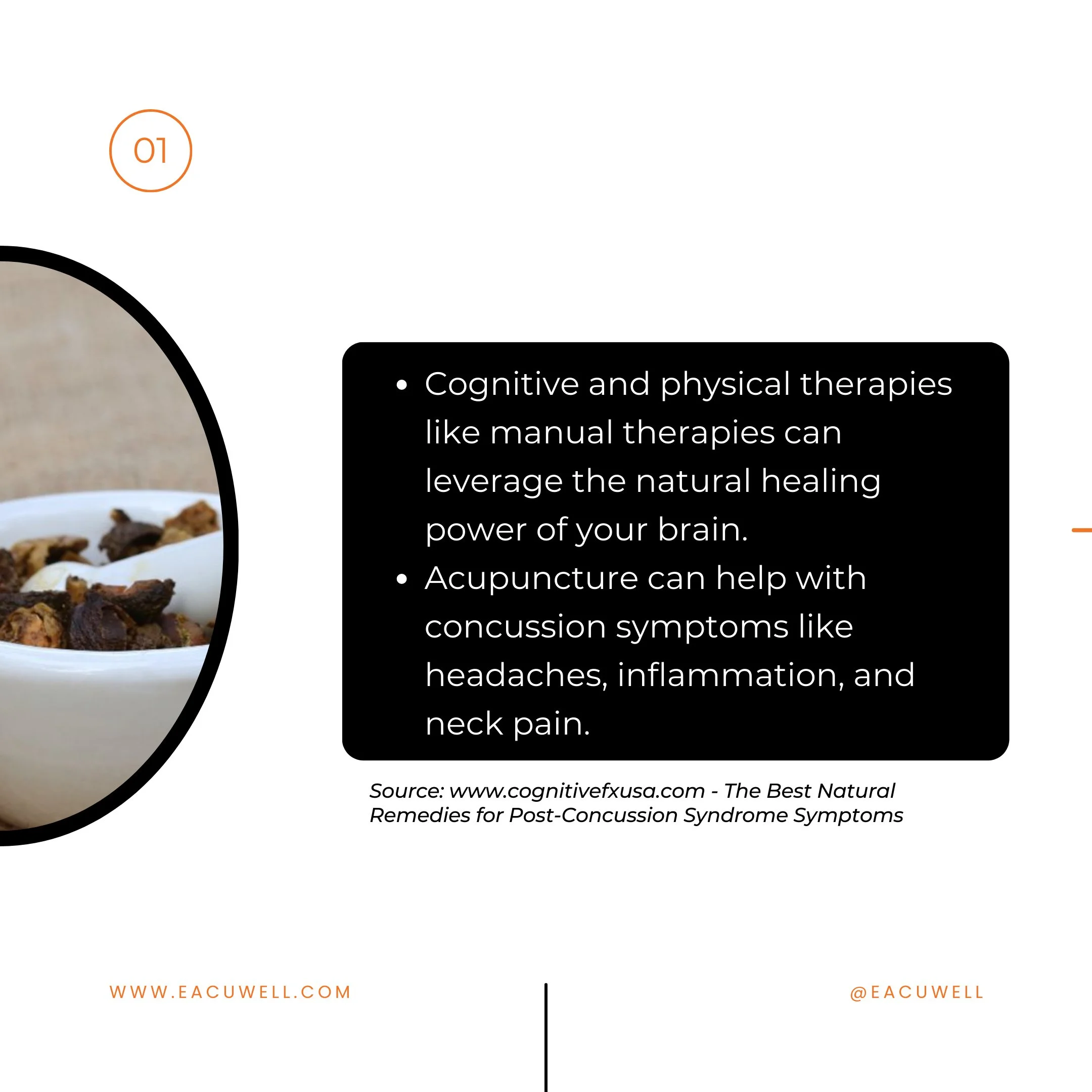
Traditional and Holistic Treatments for Concussions
Acupuncture for concussion recovery
Acupuncture uses specific points on the body to create a circulation of blood flow. Common points used are around the spine bilaterally, as well as points on the head. Each point is tailored to the individual depending on what the person needs, like help sleeping, brain fog, headache, nausea, etc. Acupuncture can help patients fully recover from suffering from mild traumatic brain injuries. Acupuncture treatments can help the brain by calming it down and reducing inflammation. Overall, it can also reduce how long it takes to heal.
Studies have shown that electro-acupuncture helps increase blood flow to the brain and clears swelling around it. Electro-acupuncture also reduces TNF-alpha, which is a kind of inflammation response near the brain. When implemented properly, it helps proteins and enzymes around neurons in the brain, allowing nerve regeneration and protecting cells from damage due to inflammation.
How does herbal medicine aid the relief of post-concussion syndrome symptoms?
Chinese medicine can help with Post Concussion Syndrome. Herbal botanicals are tailored to the individual, even if they have the same condition. This is because everyone is different and Chinese Medicine is specific to the person and their symptoms.
Herbal medicine is used daily, twice a day, to help reduce swelling and inflammation while not receiving acupuncture. It is also used to improve blood flow and allow the body to heal itself. It can be used to reduce pain, headaches, dizziness, and tiredness from Post Concussion Syndrome.
How Acupuncture & Herbal Medicine Can Help with Concussion Recovery?
Post-concussion syndrome can go away on its own, but you can help it heal faster. The combination of acupuncture and herbal medicine can help resolve your symptoms faster to get back to your normal activities.
People who have had a concussion can suffer from many kinds of symptoms. Your Traditional Chinese Medicine practitioner can help navigate the best way to address the symptoms to get you the fastest recovery. This is a safe way to help the person recover because it is non-invasive and easy to integrate with a Western Medicine approach.
Long-Term Effects of Using a Holistic Approach to Treating Concussions
The most common treatment of a concussion is usually focused on short-term effects such as reducing pain, headaches, and dizziness. Integrative treatments can also help with memory loss, depression, and anxiety in the long term. Acupuncture and herbs can help the body heal faster while reducing stress.
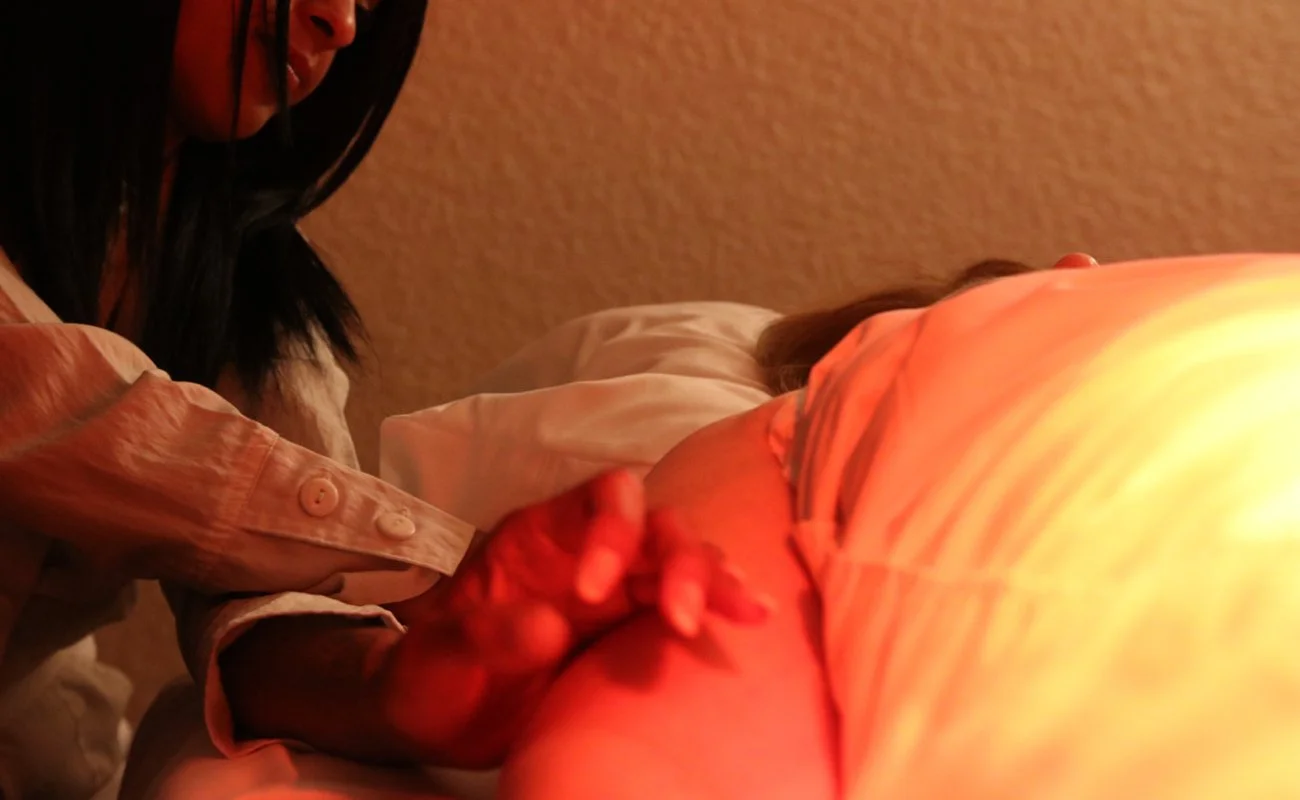
There is no guarantee that treatments like acupuncture and herbs will help everyone who has suffered from a concussion, but you have nothing to lose and all to gain by exploring it as a non-invasive treatment option. If you have suffered from a concussion or post-concussion syndrome symptoms, feel free to reach out to our Board Certified Eastern Medicine physicians for a complimentary consultation. They will walk you through a personalized approach and let you know if this is the right treatment for you.
Proven Advantages of Utilizing Acupuncture for Post-Concussion Symptoms
Although more research continues to be done regarding the benefits of acupuncture for the management of concussion symptoms, there are many successful results gathered regarding the topic. We encourage you to look at this data related to brain injuries objectively while considering the long-term benefits of also incorporating Eastern Medicine modalities into your Western Medicine medical care.
Eastern Acupuncture And Wellness Plantation:
Eastern Acupuncture And Wellness Wilton Manors:
Sources:
Clinical Indications for Acupuncture in Chronic Post-Traumatic Headache Management
Military Medicine, Volume 180, Issue 2, February 2015, Pages 132–136 | Marina A. Khusid, MD, ND, MSA
Management of Mild Traumatic Brain Injury Symptoms in a 31-Year-Old Woman Using Cervical Manipulation and Acupuncture: A Case Report
PubMed: National Library of Medicine | Danielle M. Gergen, DC
Acupuncture for Treatment of Persistent Disturbed Sleep: A Randomized Clinical Trial in Veterans With Mild Traumatic Brain Injury and Posttraumatic Stress Disorder
PubMed: National Library of Medicine | Wei Huang, Theodore M Johnson, Nancy G Kutner, Sean N Halpin, Paul Weiss, Patricia C Griffiths, Donald L Bliwise
The neuroprotective effect of electro-acupuncture on cognitive recovery for patients with mild traumatic brain injury: A randomized controlled clinical trial
PubMed: National Library of Medicine | Haokun Jia, Yonghan Chen, Yi Wang, Linwei Jia, Yaohui Tian, Hao Jiang
Randomized controlled trials of acupuncture for neck pain: systematic review and meta-analysis
PubMed: National Library of Medicine | Li-Min Fu, Ju-Tzu Li, Wen-Shuo Wu
The Immediate Analgesic Effect of Acupuncture for Pain: A Systematic Review and Meta-Analysis
PubMed: National Library of Medicine | Anfeng Xiang, Ke Cheng, Xueyong Shen, Ping Xu, Sheng Liu

Everything You Need to Know About Sports Massage
Sports massage is specifically tailored to help athletes before, during, and after training. The benefits of sports massage include improved recovery, performance, and injury prevention. It can be useful for anyone who exercises regularly to increase flexibility and enhance athletic performance.
What is Sports Massage Therapy?
Sports massage is specifically tailored to help athletes before, during, and after training. The benefits of sports massage include improved recovery, performance, and injury prevention. It can be useful for anyone who exercises regularly to increase flexibility and enhance athletic performance.
Sports massage may not be the most relaxing form of massage however, it works by stretching tight muscles, stimulating inactive muscles, and improving the condition of the soft tissue. Techniques used in sports massage include:
Effleurage (stroking)
Petrissage (kneading)
Compression
Friction
Tapotement
Gliding
Stretching
Triggerpoint

Benefits of Sports Massage for Athletes of All Levels
Sports massage has been suggested to help prepare an athlete for competition, as a tool to enhance athletic performance, to help the athlete recover after exercise or competition, and as a manual therapy intervention for sports-related musculoskeletal injuries.
Many sports massage benefits have been reported on the basis of experience and observation alone. These include:
Increased joint range of motion (ROM)
Increased flexibility
Decreased muscle tension
Decreased neurological excitability (nerves more relaxed)
Decreased muscle spasms
Increased sense of well-being
Decreased anxiety and improved mood
Better sleep

Who Can Benefit From a Sports Massage?
Sports massage has been associated with significant improvements in flexibility and DOMS. (Delayed onset muscle soreness)
DOMS is muscular discomfort/pain following exercise and normally starts a day or two after a workout. Have you ever stopped exercising and gone back to exercise, and the couple next days are rough on your muscles? Yes, that's exactly what you are feeling, DOMS.
Symptoms of DOMS usually involve reduced range of motion and stiffness when moving, swelling in affected muscles, muscles that feel tender to the touch, muscle fatigue, and short-term loss of muscle strength. Sports massage post-exercise can lower those symptoms of DOMS by increasing blood and lymphatic flow to the areas and reducing inflammation.
Not only does sports massage help with symptoms associated with DOMS, but it also aids in improving flexibility and range of motion in your joints. Improving flexibility loosens muscles, and increases the range of motion to maintain the health of cartilage and other structures within the joint. Sports massage pre, during, and post-competition can increase your flexibility by preventing the risk of sports-related musculoskeletal injuries.
Risks and Considerations of Sports Massage

Side effects are very limited and may include tenderness or stiffness for one to two days after a therapy session.
A sports massage therapist can assist with training, and pre-or post-performance goals and can benefit anyone that engages in strenuous, repetitive activities or exercise. This type of massage is not just for elite or professional athletes, but may be used for individuals that perform mild exercises such as walking.
Here at Eastern Acupuncture and Wellness, we have several credentialed sports massage therapists that are specially trained to work with people with various sports injuries and help prevent future injuries related to your sport or activity of choice.
Sessions with our practitioners begin with a functional assessment which may include asking questions regarding your workouts, range of motion exercises depending on injuries, and muscle testing. Every session is individually tailored to one’s needs and intervention will be addressed after the session. We ask every patient to dress comfortably for a sports massage session (Shorts, a loose-fitting shirt, and a sports bra top).

Eastern Acupuncture And Wellness Plantation:
Eastern Acupuncture And Wellness Wilton Manors:
Resources in Support of The Use of Massage in Sports Performance
What Is a Sports Massage For? Learn about sports massage benefits and whether it's a good fit for you.
VerywellHealth | By Terence Vanderheiden, DPM
Effect of sports massage on performance and recovery: a systematic review and meta-analysis.
BMJ Open Sport & Exercise Medicine | Holly Louisa Davis, Samer Alabed, http://orcid.org/0000-0002-7458-5481Timothy James Ainsley Chico
What Is Delayed Onset Muscle Soreness (DOMS) and What Can You Do About It?
Healthline | Written By Gail Olson Edited By Amanda Conover
Massage Alleviates Delayed Onset Muscle Soreness after Strenuous Exercise: A Systematic Review and Meta-Analysis
Frontiers in Physiology | Jianmin Guo, Linjin Li, Yuxiang Gong, Rong Zhu, Jiake Xu, Jun Zou, and Xi Chen

Using Traditional Chinese Medicine and Acupuncture for Improving Digestion and Enhancing Gut Health
Your Gut is your second brain and when your gut is functioning optimally you will have fewer aches and pains, better cognitive function, more energy, less stress, and optimal health. We are what we eat and if we did not eat or drink we would die, so what we eat and drink is how we will thrive.
What are common digestive issues acupuncture and traditional Chinese medicine can help dissipate?
Leaky gut - Dysbiosis, or bacterial imbalance, is a leading cause of the leaky gut syndrome. It means an imbalance between helpful and harmful species of bacteria in your gastrointestinal tract. Poor diet, comprising proteins found in un-sprouted grains, sugar, genetically-modified foods (GMO), and dairy products.
Irritable Bowel Syndrome (IBS) -abdominal (stomach) pain and cramping, which may be relieved by moving your bowels. A change in your bowel habits – such as diarrhea, constipation, or sometimes both. Bloating and swelling of your stomach. Excessive wind (flatulence)
Constipation – usually occurs when stools remain in the colon (large intestine) for too long, and the colon absorbs too much water from the stools, causing them to become hard and dry.
Diarrhea – can occur due to a variety of factors ranging from infections and food intolerances to medication side effects and underlying medical conditions.
Colitis-Colitis is a chronic digestive disease characterized by inflammation of the inner lining of the colon. Infection, loss of blood supply to the colon, Inflammatory Bowel Disease (IBD), and invasion of the colon wall with collagen or lymphocyte white blood cells are all possible causes of an inflamed colon.

Ulcers -A peptic ulcer is a sore on the lining of your stomach, small intestine or esophagus. A peptic ulcer in the stomach is called a gastric ulcer. A duodenal ulcer is a peptic ulcer that develops in the first part of the small intestine (duodenum). An esophageal ulcer occurs in the lower part of your esophagus.
Acid Reflux – occurs when the sphincter muscle at the lower end of your esophagus relaxes at the wrong time, allowing stomach acid to back up into your esophagus. This can cause heartburn and other signs and symptoms. Frequent or constant reflux can lead to GERD.
Celiac Disease-Celiac disease, sometimes called celiac sprue or gluten-sensitive enteropathy, is an immune reaction to eating gluten, a protein found in wheat, barley, and rye. If you have celiac disease, eating gluten triggers an immune response in your small intestine.
Ulcerative Colitis – is an inflammatory bowel disease (IBD) that causes inflammation and ulcers (sores) in your digestive tract. Ulcerative colitis affects the innermost lining of your large intestine, also called the colon and rectum.
Crohn's Disease – is a type of inflammatory bowel disease (IBD). It causes swelling of the tissues (inflammation) in your digestive tract, which can lead to abdominal pain, severe diarrhea, fatigue, weight loss, and malnutrition.
What is the one thing all of these diagnoses have in common? Inflammation, Inflammation is the culprit of all of the above diagnoses including bloating, gas, cramps, food sensitivities, and aches and pains.
Benefits of Implementing a Traditional Chinese Medicine and Acupuncture
Gastrointestinal problems can be attributed to disharmony in the digestive system
The digestive system is the second brain, and the peristalsis is used to convert your food into nutrients and energy.
Maximize Digestion & Improve Gut Health
Enhanced Immune System Function
Relief from Inflammatory Response
How Traditional Chinese Medicine Optimizes Gut Health
The rice binds the intestines to stop diarrhea.
Cinnamon bark warms the digestive tract to aid in digestion.
Hawthorn berry helps to reduce deposits in the arteries and blood vessels by lowering cholesterol.
Orange or tangerine peel alleviates vomiting and loose stools.
Ginger calms the stomach, reducing nausea and diarrhea.
Physician-Recommended Ways to Implement Optimal Gut Health
Eating fermented foods and fiber from colorful fruits and vegetables
Getting enough rest
Managing stress
Adopt a healthier lifestyle, start with small changes
Determine through assessment exactly where the imbalance is by seeing a Traditional Chinese Medicine Practitioner

What Would Happen at Your Visit with a Traditional Chinese Medicine Physician
Your physician should ask you questions about your symptoms such as how long they have been going on and the severity
If you have had any diagnostics done
If anything seems to alleviate the symptoms
Then they would access through Traditional Chinese Medicine diagnostics such as looking at your tongue and palpating your pulse
You will be provided with an acupuncture session to help the enteric nervous system and peristalsis of the gut to help reduce inflammation and get things moving.
You will also have recommended lifestyle and dietary changes and prescribed a Herbal Formula
The physician will usually ask for 3 visits to determine a treatment plan
On the first visit, the physician gets to know you and sees how you respond to the treatment. The second visit, based on your treatment response, will either reinforce that treatment or change it, and by the third visit they are able to design a treatment plan and or send for further diagnostics.

Essential Steps to Maximizing the Effects of a Gut Protocol
Adopting an Anti-Inflammatory Diet
Supplementation for Nutritional Deficiencies
Appropriately Time Food Consumption
Intermittent Fasting gives your digestive system a break
Pro and Prebiotics
Who Should Consider a Gut Protocol?
Your Gut is your second brain and when your gut is functioning optimally you will have fewer aches and pains, better cognitive function, more energy, less stress, and optimal health. We are what we eat and if we did not eat or drink we would die, so what we eat and drink is how we will thrive. “Let food be thy medicine.” Hippocrates

Eastern Acupuncture And Wellness Plantation:
Eastern Acupuncture And Wellness Wilton Manors:
Evidence in Support of The Gut Protocol
Using Traditional Chinese Medicine for Irritable Bowel Syndrome
Journal of Alternative Complementary & Integrative Medicine | Jisun Ryu, Department Of Acupuncture, CHI Health Care, Rockville, Maryland, United States
Traditional Chinese Medicine and Gut Microbiome: Their Respective and Concert Effects on Healthcare
PubMed | Runzhi Zhang, Xi Gao, Hong Bai, and Kang Ning
The Guts of Chinese Medicine (TCM)
Mindd Foundation | Sean Alson B. Health Sc, B.App Sc.
How acupuncture and Traditional Chinese Medicine cured my IBS once and for all
Body+Soul | Kelsey Ferencak
Acupuncture for gastrointestinal disorders: myth or magic
PubMed | J J Y Sung
An Effectiveness and Safety Study of Chinese Herbal Medicine for Functional Constipation
Chong Acupuncture & Integrative Medicine | ZhaoXiang Bian, Hong Kong Baptist University

Why Do Athletes Use Acupuncture For Sports Performance?
Elite athletes of the past, like Kobe Bryant, Aaron Rodgers, Vincenzo Nibali, AJ Burnett, and Shaquille O'Neal, adopted acupuncture as part of their practice to maximize recovery - a testament to its effectiveness. From Steve Nash to Yao Ming and Jeff Hornacek, these Hall-of-Famers chose this ancient tradition to perform optimally.
Acupuncture for sports has been used for centuries to help athletes perform better on the field or court. Find out more about its benefits!
Athletes are always looking for ways to improve their performance, and sports acupuncture has become a popular option. Acupuncture for sports is a form of treatment that uses the insertion of thin needles into specific points on the body to treat pain, reduce inflammation and fatigue, and enhance blood flow to improve athletic performance.
Elite athletes of the past, like Kobe Bryant, Aaron Rodgers, Vincenzo Nibali, AJ Burnett, and Shaquille O'Neal, adopted acupuncture as part of their practice to maximize recovery - a testament to its effectiveness. From Steve Nash to Yao Ming and Jeff Hornacek, these Hall-of-Famers chose this ancient tradition to perform optimally.
This type of acupuncture is based on Traditional Chinese Medicine (TCM) principles which focus on restoring balance in the body and nervous system to promote healing.
Watch Dr. Taina Rodriguez., AP. DOAM. explain why so many athletes incorporate acupuncture into their regime:
Benefits of Sports Acupuncture: Dr. Taina Rodriguez Explains How Acupuncture Can Improve Performance

When To Use Traditional Chinese Medicine Instead Of Ice?
As an avid sports athlete or a professional, you are likely to experience the occasional injury. Fortunately, Traditional Chinese Medicine and acupuncture offer effective treatment solutions. When it comes to restoring your health after an acute or early-stage sports injury, an acupuncture physician is able to evaluate your injury and even refer you out for further diagnostics, if necessary. With the use of acupuncture, cupping, thermal and/or laser therapy to promote circulation, increase blood flow, and reduce the inflammatory response, the natural healing process is both promoted and supported.
Suffering from an acute soft tissue injury, or just feeling achy after your last sports game or training session? You may be tempted to grab the ice pack and lay it on, but recent research indicates that might not speed up healing. In fact, with reduced circulation as a result of icing down swollen areas, you could actually impair recovery times!
Acupuncture and TCM have been a staple of martial arts for centuries. With roots dating back to ancient China, these traditional treatments are known for their effectiveness in healing sports injuries both long-term and short-term - making them an indispensable part of any fighter's toolkit. From sprains to cuts, acupuncture can help mend the physical effects that come with rigorous training regimes.
Herbal Medicine and acupuncture are effective in reducing inflammation and improving blood flow at the same time. This helps reduce pain levels by allowing your body’s own inflammatory processes to do their job correctly without any interference hindering those necessary functions. So if rapid relief is what you need then Chinese medicine should certainly be given due consideration over traditional icing methods - healthy solutions minus all possible side effects make perfect sense!

Sports Acupuncture Can Help Athletes In Numerous Ways:
Increase range of motion: Acupuncture can help loosen up tight muscles, tendons, and ligaments that have been over-used during training or competition, allowing athletes to perform at their best without risking further injury.
Improve blood flow: Acupuncture increases blood flow to areas that may be lacking oxygen due to poor circulation. This helps speed up muscle recovery after intense physical exertion.
Reduce fatigue: Regular sports acupuncture treatments can help athletes prevent burnout and maintain peak performance levels during practice and game days alike.
Enhance mental clarity: Sports acupuncture releases endorphins which not only reduce pain but also provide an overall sense of calmness and relaxation; enabling athletes to stay focused and motivated throughout their training sessions and competitions.
Relieve muscle tension: Acupuncture treatment can help relax tense muscles caused by repetitive use as well as from stress-related tension such as anxiety before a game or competition; helping athletes remain flexible yet powerful during performances.
Stimulate nerve activity: By targeting key acupoints near nerves, sports acupuncturists can stimulate nerve activity which leads to quicker reflexes as well as improved coordination; vital components for peak performance in any sport!
Increase flexibility: Acupuncture helps increase elasticity in joints by releasing adhesions within connective tissue; allowing for greater mobility with each move made on the court or field of play!
Overall, sports acupuncturists strive to bring balance back into an athlete’s entire physiological system; providing relief from painful symptoms while improving energy flow throughout the body at the same time! For those who want an edge up on their competition without relying solely on medication; sports acupuncture provides an all-natural, non-invasive alternative that helps keep athletes performing at their best both mentally and physically!

What Exactly Is Sports Acupuncture?
Sports acupuncture works by stimulating the micro-circulation of blood flow through meridians also known as arteries, tendons, muscles, and organs, reducing and or eliminating inflammation. When these pathways become blocked by inflammation because of injury or overuse, pain will occur. By stimulating these pathways with acupuncture needles, it helps reduce inflammation and restore balance in the body encouraging optimal circulation of energy and blood flow. These meridians are all connected, and when they become blocked energy flow becomes disrupted. This disruption leads to pain and stress, which can affect performance.
In contrast, modern sports acupuncture uses acupressure points to stimulate the release of endorphins, which are natural painkillers produced by the brain. Endorphins help reduce muscle soreness, and tension and increase blood circulation, which helps athletes recover faster from sports-related injuries.
The most common types of sports acupuncture treatments include trigger point therapy, cupping, moxibustion, and electroacupuncture.
Trigger point therapy involves applying pressure to specific points on the body to relieve pain and relax muscles.
Cupping involves using cups to apply suction to certain parts of the body to promote healing.
Moxibustion involves burning herbs directly on the skin to stimulate the body’s own healing process.
Infrared Heat Therapy: Using infrared to penetrate the skin and muscles can reduce inflammation, promote blood circulation and soothe tight muscles, managing pain levels.
Electro Acupuncture involves connecting electrical stimulation from a tens machine to specific acupoints over an injured area to enhance the acupuncture treatment.
Acupuncture In Healing Muscle Strains
If you’ve ever had a pulled muscle, you know how painful it can be. Whether you’re playing sports or doing everyday activities, injuries happen. When you pull a muscle, it causes friction between the muscle fibers and surrounding tissues. Over time, this friction leads to scarring, which makes the area stiffer and harder to move. Scar tissue also creates adhesions, which cause further damage.
Electro acupuncture in professional sports is common because it is so effective in helping to heal muscle strains. Using electrical current to enhance the acupuncture protocol helps stimulate the body’s own healing process, by breaking up the adhesions and relaxing the affected muscle. This helps reduce inflammation and improve circulation, allowing for better healing of the area. In addition to pain relief, acupuncture helps improve circulation and muscle flexibility. The needles stimulate nerves and muscles, helping them relax and heal.
Besides acupuncture works by stimulating the release of endorphins, natural chemicals that make us feel good. Endorphins also reduce inflammation, which helps muscles heal faster. In addition, acupuncture stimulates blood circulation, which improves oxygen delivery to muscle tissue.
Sports Acupuncture Treatment Benefits
Acupuncture can help you recover more quickly from an injury. Acupuncture is one of the most popular alternative treatments for sports injuries. A study published in the Journal of Sports Medicine and Physical Fitness found that people who received acupuncture were less likely to miss work than those who did not receive acupuncture. Another study published in the American Journal of Sports Medicine showed that acupuncture helped reduce swelling and provide pain relief in patients recovering from knee surgery.

Faster Recovery
When you get injured, your body sends signals to your brain telling it to stop working. The brain then tells your muscles to relax, which causes muscle soreness and stiffness. If you receive acupuncture treatment right after an injury, your body will be able to heal faster because the needles stimulate the nerves and blood vessels at the site of the injury. Not only does acupuncture reduce swelling and provide pain relief, but it also helps speed up recovery time. In addition, acupuncture can help prevent injury by improving balance and coordination.
Chronic Injury Relief
Additionally, Acupuncture is recommended for athletes who suffer from chronic sports injuries. For example, if you play tennis regularly, you might want to consider getting acupuncture treatment before each match. You could also try acupuncture for muscle strains, sprains, and other injuries. Another example in sports is chronic shoulder pain, which is often caused by repetitive motions. Acupuncture can help relax the muscles and reduce inflammation, providing relief from recurring discomfort.
Common Sports Conditions Treated By Both Traditional Chinese Medicine And Acupuncture
The most common sports conditions treated by both traditional Chinese medicine and acupuncture include:
Chronic Low Back Pain: Pain in the lower back caused by an injury or a chronic condition such as arthritis.
Chronic Shoulder Pain: Pain in the shoulder due to an injury or inflammation.
Fractures: Broken bone caused by a traumatic event or an acute injury.
Frozen Shoulder: Inflammation of the shoulder joint resulting in pain and stiffness.
Golfer's Elbow / Tennis Elbow: Pain and tenderness in the outside of the elbow caused by overextending the forearm muscles.
Knee Pain: Pain in the knee due to an injury or inflammation.
Patellofemoral Pain Syndrome: Pain in the front of the knee caused by an imbalance in the muscles and tendons around the kneecap.
Plantar Fasciitis: Pain and swelling in the heel due to a tear in the plantar fascia.
Repetitive Strain: Pain caused by repetitive motions and overuse of muscles or joints.
Sciatica: Pain in the lower back, hip and leg caused by a pinched nerve.
Shin Splints: Inflammation of the lower leg muscles caused by overuse. Very common in young athletes due to their more active lifestyles.
Sports Musculoskeletal Pain: Pain in the muscles and joints caused by overexertion or injury.
Tendonitis: Pain, swelling, and stiffness in a tendon caused by overuse or repetitive motions.
Torn Ligaments / Sprained Ligaments: Overstretching or tearing of the ligaments due to excessive force, resulting in pain and swelling.

While Traditional Chinese Medicine and Acupuncture can help with managing sports injuries it is important to note that they should be used in conjunction with proper rehabilitation and exercise. The combination of the two treatments can help to quickly and effectively resolve sports injuries. Whether you're an amateur or professional athlete you should always consult with a qualified sports medicine professional prior to seeking any type of treatment.
Great Sports Medicine Treatments to Accompany Acupuncture
In addition to acupuncture, a few other sports medicine treatments can help athletes recover faster. Massage therapy is one of the best ways to reduce muscle soreness, and tension, and improve flexibility. Stretch therapy can also help increase flexibility and reduce discomfort. As mentioned prior, trigger point therapy, cupping, infrared heat therapy, electro-acupuncture, and other forms of manual therapy can also be used for pain relief and improved healing.
In conclusion, acupuncture is a great treatment option for athletes suffering from muscle strains, sprains, and other sport injuries. It can help reduce pain, improve circulation, and speed up recovery time. With the right combination of sports medicine treatments, you can get back in the game faster and stronger.
If you're an athlete looking to get the most out of your performance, then sports acupuncture is for you! Our Board Certified Licensed practitioners in Broward County, Florida can help you achieve peak physical performance and endurance. It is a great option for athletes of all levels. Schedule your complimentary appointment today and enjoy the benefits of sports acupuncture and Traditional Chinese Medicine!

Eastern Acupuncture And Wellness Plantation:
Eastern Acupuncture And Wellness Wilton Manors:
Resources:
AcuSport Education | Clinical Study Acupuncture & Tibial Stress Syndrome (Shin Splints): by Matt Callison
Journal of Chinese Medicine • Number 78 • June 2005 | Sports Injuries and TCM: By Kevin Young
Journal of Chinese Medicine • Number 87 • June 2008 | The treatment of sports-related muscle tension headaches with acupuncture and moxibustion: By Matt Callison
Journal of Chinese Medicine | Bi Syndrome of the Knee Treated with Acupuncture with Patellofemoral Pain Syndrome As A Case: By Roar Jensen and Anders Baerheim
National Library of Medicine | Chinese Medicine and Martial Arts: By T C Koh

5 Essentials of Chronic Pain Relief Without Drugs: Get To The Root of Pain
Deep-rooted pain can make it difficult to perform everyday activities, enjoy hobbies, and even get a good night’s sleep. It can stop you from living the life you want. That’s why many people are looking for alternatives to medication when it comes to chronic ache relief. Here are some of the most frequent questions people ask about natural and alternative techniques for relieving pain that is constant.
Chronic pain is one of the most common reasons people seek medical help. It can be caused by a variety of issues, from an ongoing injury to conditions like fibromyalgia. For many people, medication is the only way to get relief from persistent pain. But what if there was another way? In this post, we'll explore some ways to get to the root of your pain and find chronic pain relief without the use of synthetic drugs.
This article is for information purposes only and should not be used as a replacement for professional medical advice. Our Physicians are Primary Care Doctors that specialize in East Asian Medicine. They are qualified to give this advice. However, if you are suffering from long-lasting pain, please consult with our Physicians before making any changes to your treatment regimen.
Differentiating Chronic Pain vs. Acute Pain
Lingering pain can have many causes, but often the main cause is deep-rooted. This can make finding definite pain relief a difficult and frustrating task. It’s important to understand that chronic pain is different from acute pain. Acute pain is a normal response to an injury or illness and typically goes away once the underlying problem is resolved. Chronic Pain, on the other hand, persists for weeks, months, or even years. An example is back pain that’s been present for longer than three months. It may be caused by an initial injury or illness, but it can also develop from other conditions like arthritis, fibromyalgia, or nerve damage.
Identifying Your Pain
If you’re struggling with persistent pain, it’s essential to see one of our Physicians to rule out any underlying medical conditions. Once any potential medical causes have been ruled out, you can begin to look for other possible triggers. Some standard pain signals include:
Stress: Chronic stress can lead to muscle pain and chronic headaches. It can also worsen conditions like fibromyalgia and irritable bowel syndrome.
Poor posture: Slouching or sitting in the same position for long periods can lead to back pain, neck pain, and other types of long-standing pain.
Obesity: Carrying excess weight puts extra strain on your joints and muscles, which can turn into pain.
Sleep problems: If you’re not getting enough sleep, your body can’t heal properly. This can lead to lingering pain.
Sedentary Lifestyle: Lack of exercise can create a myriad of issues, both physically and mentally.
3 Frequent Questions Patients Ask About Pain Relief Alternative Therapies
Deep-rooted pain can make it difficult to perform everyday activities, enjoy hobbies, and even get a good night’s sleep. It can stop you from living the life you want. That’s why many people are looking for alternatives to medication when it comes to chronic ache relief. Here are some of the most frequent questions people ask about natural and alternative techniques for relieving pain that is constant.
Why consider natural treatments over medication?
Consider trying pain relief alternatives like acupuncture, functional medicine, or massage therapy. These alternative treatments can help with progressive muscle relaxation, increase blood flow, and reduce inflammation. You can also try to relieve pain naturally with the help of herbal formulas and supplements like turmeric, ginger, or omega-3 fatty acids. These natural remedies can help to reduce inflammation and pain. Medications can have side effects, and many people prefer not to take them if they can avoid them. In many cases, it's beneficial to consider integrative techniques for your overall wellness.

How can you obtain pain relief with exercise?
You can make several lifestyle changes to help relieve the constant pain and inflammation. Exercise can help to increase blood flow and reduce inflammation. Yoga, Tai Chi, and other forms of gentle stretching can also help to relieve pain.
Why is it important to incorporate breathing techniques?
Your pain can also be caused by stress and anxiety. If you’re struggling with continuous pain, consider trying relaxation techniques like meditation or deep breathing exercises. Most of us do not realize that when we are in a stress response (fight or flight), we breathe more shallowly. This can tighten the muscles in the neck and shoulders, causing pain and even headaches.
6 Effective Chronic Pain Relief Alternatives To Consider
Once you’ve identified the possible causes of your pain, you can start working on finding relief. If you're one of the millions plagued by persistent pain, don't suffer in silence. There are many options for finding relief from your symptoms. Read on to learn more about the different types of treatments available.
1) Manual Therapy
One of the best things you can do for long-standing pain is to receive manual therapy. A manual therapist can help you stretch and strengthen the muscles that support your joints, which can help reduce pain. They can also teach you how to properly use assistive devices like canes and walkers if needed.

Manual therapies like trigger point therapy, deep tissue, reflexology, and lymphatic massage all help to “close the pain gate.” By stimulating the nerves and muscles, these therapies help to block pain signals from reaching the brain. As a result, you will experience relief from pain. In addition, manual therapies can also help improve circulation and relaxation. As a result, they can be an effective treatment for a variety of conditions, including headaches, back pain, and fibromyalgia.
2) Acupuncture
Acupuncture is a form of traditional Chinese medicine that involves inserting thin needles into the skin at specific points. This treatment is thought to stimulate the release of endorphins, which are natural painkillers. Acupuncture is commonly used to treat lower back pain, neck pain, arthritis, Fibromyalgia, dental pain, postoperative discomfort, headaches, and migraines, just to name a few.
3) Stress Management
Your pain can be exacerbated by stress, so it’s important to find healthy ways to manage stress. This can include things like yoga, meditation, and deep breathing exercises. Acupuncture is also an effective way to mitigate stress. Acupuncture puts you into a parasympathetic state, which allows the body to relax and repair.
4) Exercise
It may seem counterintuitive, but exercise is one of the best things you can do for relieving pain. Exercise releases endorphins to help reduce inflammation, and strengthens the muscles that support your joints.
If you’re struggling with continual pain, don’t lose hope. There are many things you can do to find relief. Talk to one of our Physicians about your treatment options and find the one that’s right for you.
5) Nutritional Therapy
What you eat can also influence pain reduction. A healthy diet full of fruits, vegetables, and whole grains can help reduce inflammation. Omega-3 fatty acids, found in fish like salmon and tuna, can also help reduce inflammation.
6) Dietary Supplements
Several dietary supplements may help with pain reduction. These include things like glucosamine, chondroitin, and curcumin, which is a compound found in turmeric, fish oil, and vitamin D. Herbs like ginger and garlic can also help to reduce inflammation.

Difference Between Pain Relief And Pain Management
It’s important to distinguish between pain relief and pain management. Pain relief is the goal of many treatments and typically involves reducing or eliminating the experience of pain. To eliminate aches without pain medication or surgery, pain relief treatments focus on finding the source of the pain and addressing it directly. Moreover, pain medicine is often used as a “Quick Fix” rather than a long-term management solution.
Pain management, on the other hand, has a broader focus and typically includes minimizing the impact of lingering pain on your quality of life. This may include things like identifying pain signals for your doctor and talking to your doctor about ways to minimize pain. Pain management may also include lifestyle modifications, such as exercising and getting enough rest.
Summary: How to get a handle on pain without medication?
Chronic aches are becoming common reasons for seeking medical treatment. Back problems in general affect everyone in our society. Mistreatment with opioids and some other prescription drugs makes it clear that other alternatives to pain-relief options must be available.
Today, you have access to professionals that can help identify your symptoms and come up with a natural treatment plan that eliminates pain without drugs via telemedicine. If you are not near Plantation or Wilton Manors, FL, you can still access our licensed practitioners virtually from anywhere. Check out what our patients have to say about us!
Data and studies
“Examined 16 review articles and 11 randomized controlled trials published in the last 5 years on the clinical efficacy of acupuncture in adults with CMP conditions. The available evidence suggests that acupuncture does have short-term pain relief benefits for patients that maintain regular treatment lasting relief, with symptomatic knee osteoarthritis and chronic low back pain, and is a safe and reasonable referral option. Acupuncture may also have a beneficial role for fibromyalgia”.
“The widespread use of opioids to treat chronic pain has led to an opioid epidemic characterized by exponential growth in opioid misuse and addiction. The staggering statistics related to opioid use highlight the importance of developing, testing, and validating fast-acting nonpharmacological approaches to treat pain. Mindfulness meditation is a technique that has been found to significantly reduce pain in experimental and clinical settings”.
“Journal of Alternative and Complementary Medicine in 2016 found that acupuncture was an effective treatment for chronic pain. Another study, published in the same journal in 2016, found that yoga was an effective treatment for chronic low back pain”.

Eastern Acupuncture And Wellness Plantation:
Eastern Acupuncture And Wellness Wilton Manors:
Resources
“Alternative Pain Relief.” Journal of Alternative and Complementary Medicine, vol. 22, no. 7, 2016, p. 561-568.
Zeidan F, Vago DR. Mindfulness meditation-based pain relief: a mechanistic account. Ann N Y Acad Sci. 2016 Jun;1373(1):114-27. doi: 10.1111/nyas.13153. PMID: 27398643; PMCID: PMC4941786.
Zhang Y, Wang C. Acupuncture and Chronic Musculoskeletal Pain. Curr Rheumatol Rep. 2020 Sep 25;22(11):80. doi: 10.1007/s11926-020-00954-z. PMID: 32978666; PMCID: PMC8719359.

Five Elements Diet: Eating Based on Traditional Chinese Medicine (TCM)
Each element corresponds with different parts of the human body and has different properties that influence our health. Read on to learn more about the Five Elements dietary approach and how to follow it yourself.
People have been searching for a way to eat healthier for centuries. The Five Elements Theory is a way of eating that is based on Traditional Chinese Medicine. According to this philosophy, the fire element, earth element, metal element, water element, and wood element govern our body.
Each element corresponds with different parts of the human body and has different properties that influence our health. Read on to learn more about the Five Elements dietary approach and how to follow it yourself.
What is the concept of the Five Elements?
The Five Element Theory may be confusing to some, but picture this: It's summer and you have a scratchy, sore throat. You're probably not going to crave Spicy food. Instead, you would rather eat watermelon or cucumbers. This is an example of one of the five elements theories. Without knowledge of the principle, we often choose flavors and temperatures of foods that balance us and give us optimal health without even realizing it; however, there are always exceptions to every rule.
The Five Elements
Each element has unique properties that influence our digestive system and overall wellness.

Water Element:
The kidney and bladder organs are governed by the water element. Foods that contain water help to cleanse and detoxify the body, flush out toxins, and hydrate cells. Water-rich foods include fruits, vegetables, soups, and juices.
Warming foods: beef, lamb, chicken, garlic, onions, leeks, ginger
Cooling foods: cucumber, watermelon, mung bean, cabbage
Wood Element:
The liver and gall bladder organs are governed by the wood element. These organs are responsible for storing and releasing bile, which helps to break down fats.
Warming: oatmeal, brown rice, millet, honey, grapes
Cooling: celery, lettuce, broccoli, sprouts
Fire Element:
The small intestine and heart are governed by the fire element. Foods that are hot or spicy can help increase circulation and metabolism.
Warming: chili pepper, cinnamon, nutmeg, cloves
Cooling: watermelon, tomatoes, strawberries, oranges
Earth Element:
The spleen and stomach organs are governed by the earth element. These organs are responsible for breaking down and digesting food.
Warming: sweet potatoes, yams, chestnuts, walnuts, peanuts, sesame seeds
Cooling: radishes, carrots, beets
Metal Element:
The lungs and colon are governed by the metal element. These organs are responsible for breathing, as well as eliminating body fluids and waste.
Warming: garlic, onions, leeks, ginger
Cooling: pears, apples, bananas, papaya
In the Shang Han Lun, written almost 2000 years ago, more than half of 112 herbal formulas contain foods such as cinnamon, ginger, dates, peppercorn, fennel, fava beans, Job’s tears, licorice, and even rice wine and vinegar. Nutrition is a medicine that can heal through its therapeutic properties.
How does flavor influence diet?
The different flavors we consume can have therapeutic properties for our bodies.
Bitter Foods
For example, "bitter" foods effectively cool down the body and change its energy direction downwards. Bitter melon, parsley, dandelion, and green tea are all naturally bitter; as a result, they help reduce inflammation (the body's equivalent of "heat"), restlessness, or even infections.
Sweet foods
Conversely, "sweet"-tasting dishes nourish both the body and its fluids while also aiding digestion. A little “sweet” can help our bodies handle the actions of the other flavors. The Western diet is often overloaded with processed sugars which creates internal heat and inflammation in the body; leading to issues such as obesity, diabetes, etc. However, for those that lack vitality, Chinese yams can help by boosting energy levels and aiding digestion.

Spicy foods
The natural sweetness balances out the "pungent" or spicy flavors which tend to move energy outward and make you sweat. This is especially important when someone is fighting a viral infection. For example, drinking a little ginger tea can help a person overcome a cold. Overly spicy foods, on the other hand, can lead to heartburn or indigestion.
Salty foods
These flavors can help soften hard food, cool the body, and move energy inward. Salty seaweed is perfect for helping to soften thyroid nodules, and the selenium and iodide salts help improve thyroid function.
Sour foods
"Sour" foods slightly cooler the body temperature while also constricting (stopping loss from) intestines and sweat. Pomegranates spur stopping diarrhea while lemon water aids postmenopausal women who experience hot flashes or excessive sweating.
How to implement temperature in nutrition?
The "temperature" of foods does not correspond to the food's literal temperature, but rather how the nutrition will affect your body. In the same way that flavors can affect your body, so too can temperature.
Warm foods help with digestion and circulation. Cool foods help calm the mind. Not only does energy have a temperature, but this temperature also has a direction. Cold descends while heat rises. Let's take bananas for example. They work wonders for constipation because the nature of a banana is cold; it descends and cools the bowels.
Not only can hot-natured foods cause dehydration and trigger menopausal symptoms, but the way they are prepared also affects their heat or coolness. Grilling food causes it to release harmful chemicals that have been linked to cancer. Boiling or sauteing your foods will make them less likely to cause these problems.
There can be an excess of an element in a person or a deficiency that causes poor health. This is the importance of choosing the best foods for an individual's life.
Is color important for TCM?
Different colors of foods can help target specific areas within the body. For example, if you are struggling with kidney pain in your lower back, consuming black-colored foods such as blackberries, black beans or black rice will be beneficial. If you're having trouble with digestion, eating naturally yellow or orange foods like ginger, squashes and yams will aid in the process. Lastly, problems with the liver can be minimized by incorporating more leafy greens into your diet.
Many know the quote from Hippocrates, “Let food be thy medicine, and medicine be thy food.” Chinese Food Therapy is an important component of TCM. The long history of nutrition therapy is recorded in many ancient medical books.

Seasonal impact on a balanced diet
With food shipping and global trade, it's more challenging to follow seasonal eats. Foods that grow and are supposed to be eaten during specific seasons help us make sensible choices about what we consume. Eating cooling foods like salads in winter can cause problems for the body while eating warm, nourishing soups will help the human body heal or stay healthy.
Spring and Summer
Spring and Summer seasoned food according to TCM diet therapy helps the body to reduce heat and dispel summer heat. Fruits such as watermelon, honeydew, and cantaloupe are recommended to help keep the body hydrated and cool.
Spicy food like Sichuan dishes with chili pepper can increase perspiration and help the body to reduce heat. This is keen as long as the person consuming the food does not have a yin deficiency with resulting night sweats. Spring vegetables like asparagus, cabbage, and celery help to clear summer heat and detox the body.
Fall and Winter
Fall and Winter-seasoned food according to TCM diet therapy helps the body to warm and moisten. Fruits such as persimmons and pomegranates are suggested to help keep the body hydrated and warm. Slow-cooked stews and soups help to reduce wind and cold as well as hydrate the body.
The Fall season is a time when the yin and yang of the universe are in balance—the days and nights are of equal length. This is a time for transition and preparing for winter. The vibrancy of nature is moving inward and downward. It's time to do the same with your diet—choose grounding foods that will the elements.
In conclusion, following a seasonal diet may help maintain balance in the body while consuming foods of different colors helps target specific areas within the body that may need attention.

Summary of this powerful Chinese Medicine approach
The connection between what we eat and our health has been known for thousands of years. In the Western world, we tend to think of nutrition in terms of the chemicals it contains calories, carbohydrates, proteins, fats, etc. Different diets (paleo, keto, vegan/vegetarian) become controversial when they restrict certain types of foods.
TCM embraces eating local, organically grown, seasonal foods while aligning nutrition with tastes, temperatures, colors, and seasons. Not only do different colors of foods help specific organs function better, but according to the yin and yang concept, consuming in-season foods helps balance out the effects of nature.
Over 1400 years ago, Dr. Sun Si Miao stated the importance of food therapy: “a good medicine worker should first detect the origin of the disharmony, be aware of the disease, first should treat it with food therapy; if the food doesn’t do the trick, and then follow with herbal medicine.” You can also select Five Element constitutional nutrition therapy based on your system for optimal wellness.
Final Remarks
If you're interested in understanding nutrition therapy, the Five Element Theory is a great place to start. There are many other facets of food therapy to consider. A qualified Chinese Medicine physician with experience in nutrition therapy can assist you to make choices that match your wellness issues best. Not only is medicine and reasonable way to help our bodies heal, but making these changes also helps us maintain disease prevention and wellness simultaneously. It's a journey in life worth taking!

Eastern Acupuncture And Wellness Plantation:
Eastern Acupuncture And Wellness Wilton Manors:
References:
"Embracing Chinese Medicine’s Five Elements in a Western Diet." MyDaolabs.com, 01 Dec. 2017, http://mydaolabs.com/blogs/the-way/embracing-chinese-medicine-s-five-elements-in-a-western-diet.
Zhang, Wei. "The Evolution of the Research on Yin-Yang and Its Influence on Chinese Culture." ZYSJ.COM.CN, 11 Dec. 2017, http://www.zysj.com.cn/lilunshuji/yinshiyingyangxue/484-3-1.html.
Cooksmarts.com. The Most Popular Diets Defined. Accessed March 4, 2019. https://www.cooksmarts.com/articles/the-most-popular-diets-defined/.
Lotus Root Acupuncture. "Nutrition." http://www.lotusrootacupuncture.com/nutritition.html (accessed December 1, 2016).

How Acupuncture Works and How Does it Help?
Do you ever wonder “How does Acupuncture work?” This inquiry is the most common question asked in our office. There are several theories as to how acupuncture works. From a clinical perspective, various research shows that acupuncture has numerous and various mechanisms of action and as you will see these mechanisms overlap. Some scientists and doctors are still trying to figure it all out. Here are some explanations to help you understand how acupuncture can help you or your loved ones.
Do you ever wonder “How does Acupuncture work?” This inquiry is the most common question asked in our office. There are several theories as to how acupuncture works. From a clinical perspective, various research shows that acupuncture has numerous and various mechanisms of action and as you will see these mechanisms overlap. Some scientists and doctors are still trying to figure it all out. Here are some explanations to help you understand how acupuncture can help you or your loved ones.
A Brief History Of Acupuncture
Acupuncture is one of the oldest, most commonly used medical procedures in the world. Originating in China more than 2,000 years ago, acupuncture became more popular in the United States in the early 1970s. While there are many different types of acupuncture, the fundamental belief guiding the procedure is that there are patterns of energy flow (Qi) through the body that are essential for health. Disruptions of this flow are believed to be responsible for pain and disease. Acupuncture is the stimulation of specific acupuncture points along the skin of the body involving various methods such as the insertion of thin needles, the application of heat, pressure, or lasers, and the stimulation of electrical currents. The ultimate goal of acupuncture is to correct imbalances in the flow of Qi and restore or maintain health.

Most Common Theories of How Acupuncture Works
There are many working theories about how acupuncture works. Here are some of the most common ones.
Intramuscular Stimulation Theory
Micro-injury Theory
Pain Gate Theory
What is Intramuscular Stimulation Theory?
Intramuscular stimulation is an easy theory to understand. This theory explains how chronic pain and muscle tightness can be relieved. When the nerves and muscles work together, it keeps the body moving regularly. Neuromyofascial pain is when muscles that nerves regulate become weak and uncomfortable due to inflammation or injury. The intramuscular stimulation technique works by stimulating the tight muscles in your body. Painful muscles can result from many different things, like prolonged movements that put a lot of strain on the muscles and make them tighten up. For instance, sitting at your desk for hours can cause pain in your muscles. This is because the muscles are tight and irritated. Acupuncture stimulation can release and lengthen the irritated muscle, thereby reducing pain (Cheng, 2014).
What Does Micro-Injury Theory Prove?
Micro-injury is a proven theory that science has shown to work (Cheng, 2014). Acupuncture needles stimulate the irritated nerves in the local tissues of the body. This causes the release of messenger molecules called neuropeptides. The neuropeptide known as acetylcholine can help to contract smooth muscles, dilate blood vessels, raise body secretions, and decrease heart rate. Acetylcholine is the chemical that sends a signal to cause vasodilation in the body. This means the parasympathetic nervous system contracts smooth muscles, dilates blood vessels, raises body secretions, and decreases heart rate as part of the autonomic nervous system (a branch of the peripheral nervous system). This is called an axon reflex. Axon reflex causes an increase in blood flow and helps to heal. Acupuncture can be beneficial for chronic pain in joints like:
Bursitis
Arthritis
Peripheral Neuropathy
Fibromyalgia
and Gout
Peripheral Neuropathy is commonly seen in people with diabetes or side effects from chemotherapy. This is a big reason why more people are currently integrating Acupuncture Therapy into their conventional medical treatments.

What is the Pain Gate Theory?
One of the most popular theories is called the Pain Gate theory. This is where acupuncture can stop a pain signal that travels along a nerve pathway. When you stub your toe, for example, you might instinctively want to rub it. Acupuncture works in a similar way. It can reduce pain by activating non-painful sensations. The brain receives both pain and sensory information through the spinal cord. The pain pathway is faster than the sensory pathway, but the key is that the sensory pathway also creates interneurons that send an inhibitory neuron that stops the pain signal. Acupuncture can help to block pain signals that travel to the brain. This means that acupuncture can help with almost any type of pain, from lower back pain to digestive pain, to a migraine (Bagley et al., 2020).
How Does Acupuncture Activate Neurons?
The endogenous opioid system is a system in our body that scientists and doctors have studied for decades. This system, which is a part of the central and peripheral nervous system, is our own body’s analgesic system. It has the ability to help us feel better when we experience pain.
For example, have you ever heard of the phrase “runners’ high”? Or have you ever felt really good after working out? After running or working out the body has a euphoric feeling, where you feel positive and energized. That's because of the endogenous opioid system. Endogenous opioids are responsible for the good feeling in the body. There are three types of endogenous opioids. The one we know the most about is called endorphins. The other two, enkephalins and dynorphins, are less popular. All of these hormones help reduce pain in the body. Acupuncture can activate enkephalins. Enkephalin neurons are responsible for making us feel good emotionally (Francois et al., 2017).
How Does the Somatic System Work With Acupuncture?
The somatic sympathetic reflex occurs when somatic stimuli produce patterns of reflex activity in the sensory and motor nerves within our bodies (Lieberth, 2022). This can be caused by things like an ankle sprain or a pinched nerve. The reflex makes the muscles tighten up and causes pain. It can also make the cardiovascular sympathetic neurons less active, which can reduce high blood pressure. The somatic autonomic reflex regulates various body physiological functions, such as gastrointestinal motility and systemic inflammation. When this reflex is activated, it can powerfully change how diseases progress (Lieberth, 2022). For example, this can help with Alzheimer’s disease, chronic obstructive pulmonary disease, macular degeneration, Parkinson’s disease, and cancer.

People have known for a long time that acupuncture can help with different things in the body. Research shows that acupuncture can also help raise serotonin levels (Cheng, 2014). Serotonin is responsible for key body functions such as:
Sleep
Digestion
Nausea
Wound Healing
Bone Health
and Blood Clotting
This explains why acupuncture can help with anxiety and depression, insomnia, and all types of digestion dysfunctions. Some of us may not have known that serotonin can also speed up wound healing and help with blood flow. This means that acupuncture can help with so many functions in the body like hypertension, coronary artery disease, and all types of gynecological disorders from premenstrual symptoms like cramps and headaches to endometriosis.
The Benefits of Acupuncture for Hormone Regulation.
Did you know that acupuncture can even help with hormone regulation? This includes obesity, diabetes, menopause, PCOS, and any type of weight loss. The hypothalamus-pituitary axis is responsible for hormone regulation (Wang et al, 2018). The hypothalamus can be thought of as the endocrine system's coordinating center. Signals from different parts of the brain, the body's autonomic function, and information from the environment all come together here. The hypothalamus then sends instructions to the pituitary gland, which releases hormones that affect other parts of the endocrine system. The hypothalamic-pituitary axis has a direct impact on:
Thyroid Function
Adrenal Gland Function
Gonad Function
Growth
Milk Production
and Water Balance
Acupuncture can help with hypothyroidism, hyperthyroidism, menstrual cycle regulation, fatigue, lactating difficulties, and edema. The hypothalamus is responsible for several important activities outside of the endocrine system. These include tasks such as maintaining the correct body temperature, controlling the autonomic nervous system, and managing hunger.

Acupuncture stimulation increases cortisol levels in the body. Cortisol is a glucocorticoid hormone that your adrenal glands produce and release. According to the Cleveland Clinic, glucocorticoids are a type of steroid hormone. It helps to suppress inflammation in all of your bodily tissues and control metabolism in your muscles, fat, liver, and bones. Glucocorticoids also affect the sleep-wake cycles (Cleveland Clinic, 2022). Almost every organ and tissue in your body is affected by cortisol. Cortisol can also help with almost every system in the body including:
The Nervous System
The Immune System
The Cardiovascular System
The Respiratory System
The Reproductive System
The Musculoskeletal System
and The Integumentary System
This means that acupuncture can help with the common cold, flu, allergies, chronic fatigue, fertility, mental health, and wellness, and the benefits are endless.
Contact us
The ways in which acupuncture can help are many and numerous. Acupuncture is an effective drug-free treatment option, without the side effects often caused by prescription medications. Call Eastern Acupuncture and Wellness today for a free consultation or book an appointment and see if acupuncture can help you feel the best you can.

Visit us for Acupuncture Treatment in Plantation, FL
Visit us for Acupuncture Treatment in Wilton Manors, FL
Written by Dr. Lisa Shields, AP at Eastern Acupuncture And Wellness

How to Recover Naturally During Postpartum Care
Giving birth is looked at as a trauma, which is why postpartum care is so important. A woman's body, though designed to do so, tears itself apart to bring a new human into life. To recover from this trauma there’s a set of rules to follow to not only make a full recovery but to offset any symptoms that might occur later in life from the birthing experience.
Sitting the month, also known as Zuò yuè zi in Chinese culture, dates back to the year 960. Giving birth is looked at as a trauma in this instance, which is why postpartum care is so important. A woman's body, though designed to do so, tears itself apart to bring a new human into life. To recover from this trauma there’s a set of rules to follow to not only make a full recovery but to offset any symptoms that might occur later in life from the birthing experience.
The Ancient Way
Now that 10 months of not only nourishing a life within and following a set of rules that comes with pregnancy are over, a whole new set of “rules” so to speak take its place. To be the best version of yourself and nourish your baby on the outside as much as you did on the inside, it’s necessary to heal. It’s possible during this period to make your constitution even stronger than it was before you gave birth. The ancient protocol of sitting the month starts immediately after birth and is as followed:
Lasting anywhere from 26 to 100 days
Avoid the cold, wet, and damp
Not showering or wetting your hair for at least 30 days
If you must bathe, bathe in warming herbs such as mugwort to release the cold within
Do not leave the house
Designate a person that is not your partner to care for you & the baby
Do not use the air conditioner
Do not read or watch tv
No climbing stairs
Do not pick up the baby (have someone hand him or her to you)
Only leave the bed when necessary
Only allow necessary people in your home
Eat only cooked foods
Do not eat anything that grows underground
The eastern culture believes that when you give birth you lose a large amount of blood and body fluids. In Traditional Chinese Medicine our vital energy (Qi) is carried by our blood. When we don’t have adequate amounts, it hinders our body’s ability to not only work properly but to heal. The loss of blood puts our bodies in a state of cold. Cold contacts make all our bodily functions from the inside out slower moving. That is why one of the main principles of sitting the month is to avoid external colds. This includes showers, cold food & beverages, using AC, and even going outside. Even if you live in a warm climate the wind can still penetrate your being and slow down the healing process. TCM believes that giving birth presents you with a blank slate to overcome predispositions even from childhood.

A Modern Approach to Postpartum Care
In the time that we’re living in, being able to take on such a strict protocol can seem daunting and even impossible to some. In many cases, women must go back to work sooner rather than later and in other cases, they just don’t have the support system or “luxury” to stay in bed for the month. It’s possible to obtain the results you need while still following an updated version of Zuò yuè zi. Some ways to modify this so it works for you can be as followed:
Find a time frame that works best for you. If you can only do 20 days that is okay. This protocol is meant to help – not put more stress on the body.
Avoid showering and if you can't. Let the shower run so the bathroom heats up with steam before getting in. Block vents and cracks in the door. If you’re washing your hair, immediately blow dry before leaving the washroom. Take a bath instead of a shower with warming herbs prescribed by your acupuncture physician.
Why should you avoid showering as part of the postpartum care? Anything wet produces "cold", which you want to avoid. After giving birth a woman loses the “warmth” the baby brought to her insides. This is why the main objective postpartum is to be warm.
Even if you think you can't avoid showering, do try to avoid washing your hair. We suggest you wait at least 10 days after birth before washing your hair. It is recommended that when you wash your hair, you do so only once a week for at least 8 weeks. You may be wondering why. The reason is to prevent postpartum hair loss & hair loss associated with aging in the future.

Rely on Family and Others Close to You to Help out. Choose multiple people you trust to take shifts to help you cook, handle the baby to nurse, change diapers, or do any other tasks during your postpartum care time. During this time you may want to isolate yourself, however, having a tight group that will help is better. Having people around you to help will allow you the help and rest you need to heal.
Some examples of people who can help you are your mother, mother-in-law, or siblings. There are also hired professional or high-end facilities that specifically cater to “sitting the month” in case you need that option as well.
Stay away from your phone, TV, or electronics, or limit yourself to a designated amount of time per day to do these things. Our minds need blood to think and operate. To heal we need our blood to go to the organs affected by giving birth such as the uterus, ovaries, liver, and kidneys.
Cleaning and soothing with warm water & heat. Heat will bring blood flow to the area and help it heal faster. The cold will “freeze” the area and will take the blood longer to arrive at the applied area.
Avoid AC or fans. We know this can be impossible in the South Florida heat, but there are reasons to avoid it. After giving birth every part of a woman is vulnerable down to her joints. When cold air and “wind” from the AC or fan is blowing on any part of the body it is giving way to longer-term problems. For example: If a fan is blowing on your shoulder it is likely that down the road you’ll experience pain in the area.
Acupuncture and Other Therapies for Postpartum Care.
As you near the end of your pregnancy, you may be wondering what postpartum care options are available to you. Acupuncture and other therapies can be a great way to help with postpartum recovery. Here we will explore some of the most common acupuncture and therapy treatments used for postpartum care, as well as their benefits :
Acupuncture:
Acupuncture is an amazing tool to help with the postpartum care period. It helps to expel any retained blood and placenta from the uterus, prevents hemorrhoids, helps with constipation and diarrhea, balances hormones, helps with anxiety and depression, boosts energy levels, decreases inflammation, and aids in overall healing.
We have amazing acupuncture physicians that can help you navigate this time in your life with kindness and compassion. Feel free to learn more about what we do here.
Postpartum Massage:
A postpartum massage can help to relieve any tension and pain in the muscles, helps to improve circulation, and can aid in the healing process.
Our expert LMTs are knowledgeable in giving the best treatment for those going through postpartum care. You can learn more about our services here.

Cupping therapy:
Another great postpartum care treatment is cupping. Cupping therapy is an ancient form of alternative medicine in which cups are placed on the skin to create suction. This suction helps to improve blood flow, reduce pain, and promote healing.
You can book a cupping session with us here.
Stretch Therapy:
Stretch therapy is a form of physical therapy that helps to improve flexibility, reduce pain, and increase the range of motion. It can be especially helpful for those who are recovering from an injury or surgery.
By following these tips you are on your way to a healthier postpartum period! If you have any questions or concerns, please consult with your acupuncture physician.
You can learn more about stretch therapy here.
Benefits of Natural Postpartum Care
There are amazing key benefits to following this ancient protocol. It gives you the ability to heal healthier and bond with your baby on a deeper level because you took care of yourself, too. Moreover, it can offset symptoms associated with postpartum, including and not limited to, postpartum depression, hair loss, incontinence, exhaustion, pain from labor, lingering hormonal imbalances, and the list goes on.
When everything is constantly changing in your new role as a parent or as a parent to multiples – relinquishing control and accepting help (which is what this protocol enforces) gives you the ability to be the best version of yourself for your family.
We encourage you to consult your Acupuncture Physician one month before your due date to allow them to assist you on your sitting month journey.

Visit Us For Postpartum Care treatment in Wilton Manors, FL
Visit Us For Postpartum Care treatment in Plantation, FL

Acutherapy: The Healing Benefits of Acupuncture Therapy
One of the unique features of the vision of Chinese Medicine is the idea that disease is an expression of mind, body, and spirit. Acu-Therapy is a treatment modality that I began using when I started practicing acupuncture. The technique incorporates Traditional Chinese Medicine, psychology, meditation, and the “8 Non Somatic Extraordinary Vessels (NSEV).
Acu-therapy and the Extraordinary Vessels
One of the unique features of the vision of Chinese Medicine is the idea that disease is an expression of mind, body, and spirit. Acu-Therapy is a treatment modality that I began using when I started practicing acupuncture. The technique incorporates Traditional Chinese Medicine, psychology, meditation, and the “8 Non Somatic Extraordinary Vessels (NSEV)”.

What are Non-Somatic Extraordinary Vessels (NSEV)?
NSEV is a modern adaptation of an ancient Chinese medicine healing practice. As suggested by the name, the method is geared towards focusing on the mind’s negative physical manifestation over matter (the body). Its primary objective is to address emotional distress, such as depression, anxiety, addictions, etc. that has, over time, manifested into physical pain or general disruption in the enjoyment of daily living.
For example, a patient states he has indigestion along with a feeling as if he had a tight knot in his gut. During intake, I find that his boss makes him “sick to his stomach”. I’ll treat the primary complaints but we will ultimately have to get to the root of the problem to resolve the symptoms. The patient feels “stuck”. He needs the job but cannot deal with the stress. Where to go?
Amongst other methods, one of the 8 NSEV protocols that I will likely use with him, based on the information received, is the Dai Mai. The English translation is “the belt or girdle”. The protocol “loosens the belt” enabling him to move forward allowing him to see other possible options.
What are the 8 Non-Somatic Extraordinary Vessels?
The 8 Non Somatic Extraordinary Vessels are:
Yang Wei
Yin Wei
Yin Qiao
Yang Qiao
Dai Mai
Chong
Du Mai
Ren Mai
These are points that lie outside of the traditional 14 channels (meridians) of Chinese Medicine.
Psychology and Meditation in Conjunction of Acupuncture Therapy
Psychology and meditation are also important aspects of Acu-Therapy. It is vital to help the patient become more aware of their thoughts, emotions, and actions. Moreover, in the mind-body therapies of Chinese medicine it is believed that the mind controls the body. If the mind is in a state of disharmony, the body will follow suit. It is only through the acknowledgment and understanding of one’s thoughts and emotions that change can occur.

What is Acupuncture Therapy or Acu-Therapy?
Acu-Therapy treatment addresses a person's negative core patterns. The goal is to create a healthy balance among these internal core patterns, as well as overall harmony in the way a person interacts with the world around them.
Walt Disney once said, "If you want your life to change you must change your thoughts. Thoughts influence your feelings, feelings create actions and your physical actions achieve your results." Our thoughts are often the cause of emotional and physical diseases.
Through Acu-Therapy, you will become aware of your thought patterns. Awareness of an imbalance in thinking is always a good first step to healing. With acupuncture techniques, specifically by implementing meditation and the Non-somatic Extraordinary Vessels (NSEV model), you will begin to access the root of the disease which has become stuck in your psyche and ultimately in your physical being. Once you are aware of where this lies, you will be able to release it and in time, experience the joy of balance and well-being.
What is acupuncture therapy?
Acupuncture therapy is the use of acupuncture in the treatment of psychological disorders. The belief is based on the idea that imbalances in the flow of energy in the body cause mental disorders. Moreover, we use it to restore balance to the flow of energy, which then relieves mental disorders' symptoms.
Traditional Chinese Medicine (TCM)
We have been using Traditional Chinese Medicine (TCM) as a system of healthcare for over 2000 years. The World Health Organization (WHO) recognizes TCM as an effective form of medicine. Furthermore, TCM is based on the belief that the human body has a natural ability to heal itself. The goal of TCM is to help the body maintain this natural ability by restoring balance.
TCM is a holistic approach to medicine that looks at the entire person, not just the symptoms of the disease. Therefore, TCM practitioners use a variety of techniques to treat their patients. These include acupuncture, herbs, diet, and lifestyle changes.
Acupuncture
Acupuncture is one of the most well-known aspects of Traditional Chinese Medicine. We have used it as a form of therapy for over 3000 years. Acupuncture is based on the belief that there is a life force energy, known as Qi (pronounced “chee”), that flows through the body. This Qi is responsible for our overall health and well-being.
The goal of acupuncture is to restore balance to the body by correcting any imbalances in the flow of Qi. Acupuncture is done by inserting thin needles into specific points on the body. These points are located along what is known as meridians. The 14 main meridians in the body correspond to different organs and systems. Acupuncture is a safe and effective form of therapy. Furthermore, it is proven to help in the treatment of a wide variety of conditions, such as pain, headaches, nausea, anxiety, and depression.

Acupuncture vs. Dry Needling
Acupuncture and dry needling are often confused with each other. Both procedures involve the insertion of needles into the skin. However, there are some important differences between these two procedures.
Dry needling is a relatively new procedure that has only been used for the past few decades. It is based on the Western medical model of anatomy and physiology. The goal of dry needling is to release muscle tension and trigger points.
There are some similarities between acupuncture and dry needling. However, there are also some important differences. Acupuncture is a holistic approach to medicine that looks at the whole person, not just the symptoms of the disease. Dry needling is a more targeted approach that focuses on specific muscle groups.
Conclusion
Acutherapy is a holistic approach to medicine that looks at the entire person, not just the symptoms of the disease. Acupuncture therapy is a great way to restore balance in your body's energy system, which will relieve symptoms of mental disorders. It is helpful in the treatment of a wide variety of conditions, including pain, headaches, nausea, anxiety, and depression.
If you are considering acupuncture to treat a mental disorder, it is important to consult with a qualified practitioner. You can schedule a complimentary consultation with us, and we will be happy to answer any questions you may have about acupuncture and mental health. Acupuncture therapy could be the key to restoring balance in your life.
